 0
0
 0
0
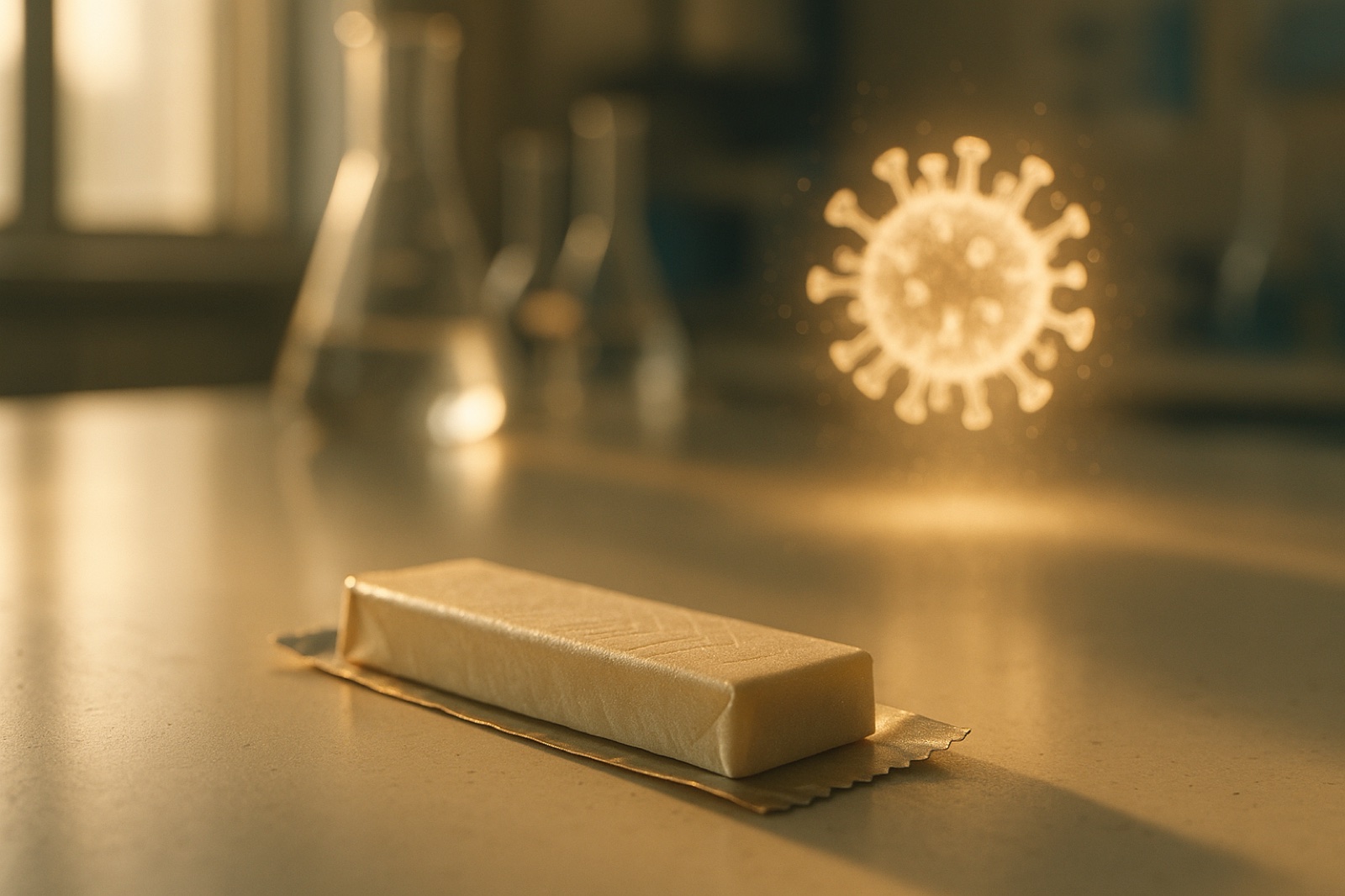
A team of scientists just did something with a piece of chewing gum that sounds almost too simple to be true: they mixed extracts from it with real saliva samples donated by cancer patients, and watched levels of HPV — the virus now linked to a rising number of oral and throat cancers — drop by up to 93 percent.
The gum isn’t on shelves yet. But the early results, from a research team at the University of Pennsylvania’s School of Dental Medicine, are enough to make anyone who’s ever worried about a cancer diagnosis sit up and pay attention.
Here’s what actually happened, what it means for you right now, and why — before you even get to the Bible — this story has a much older idea sitting quietly underneath it.
What Scientists Actually Found About the Chewing Gum and HPV
Let’s be precise here, because headlines about “93 percent” and “clinical trials” can get ahead of the real science.
This wasn’t a study where people chewed gum for months and got tested afterward. It was a lab study. Researchers took extracts from an experimental gum and tested them directly against oral samples donated by real head and neck cancer patients. When they mixed the gum extract with patient saliva, HPV levels dropped by 93 percent. In oral rinse samples, they dropped by 80 percent.
That’s a real, measurable result — but it happened in lab samples, not inside someone’s mouth over time. The research team, led by Dr. Henry Daniell, says the next step is testing the gum in actual human clinical trials. So this is exciting early evidence, not a finished product you’ll find at the pharmacy anytime soon.
How This Chewing Gum Is Designed to Fight HPV
The gum itself sounds almost too ordinary to matter. It’s made from lablab beans — a plant most people have never heard of — combined with two ingredients scientists engineered into it: a natural antiviral protein called FRIL, and an antimicrobial peptide called protegrin.
Together, they went after two threats at once. FRIL targeted the HPV virus directly. Protegrin attacked two specific bacteria — Porphyromonas gingivalis and Fusobacterium nucleatum — that are strongly linked to oral cancer. In the lab samples, a single dose reduced both bacteria to almost nothing.
What surprised researchers most wasn’t just that it worked — it’s that it worked without wiping out the healthy bacteria that are supposed to live in your mouth. Most treatments that go after harmful microbes take out the good ones too. This one, so far, hasn’t.
Why an HPV Breakthrough Like This Matters
HPV isn’t just linked to cervical cancer, which is what most people learned about it in health class. It’s now one of the fastest-growing causes of oral and throat cancer in the world — and unlike a lot of cancers, there’s currently no simple, low-cost way to clear an existing HPV infection from the mouth.
That’s what makes this early research worth watching. It’s not the only recent story about scientists finding simpler ways to catch disease earlier — a new blood test that can detect cancer years before symptoms appear made similar waves recently. Taken together, they point to something hopeful: some of the biggest health breakthroughs right now aren’t coming from expensive new machines. They’re coming from small, almost overlooked places — a bean, a strip of gum, a drop of blood.
The Part That’s Easy to Miss
There’s something worth sitting with in that last sentence. The most promising defense against a cancer-linked virus, so far, isn’t a massive new machine or an expensive new drug. It’s a bean most people have never heard of, engineered into something you could chew on your way to work.
That’s not actually a new pattern. Long before modern medicine, old wisdom told the same kind of story over and over — a shepherd’s stone, a jar of oil that shouldn’t have lasted, a handful of bread and fish somehow feeding far more people than it should have been able to. Something bigger than the material itself, working through the smallest, most unimpressive thing in the room. Science keeps rediscovering that pattern. It’s just usually surprised by it.
What This Means for You Right Now
The gum isn’t available yet, and it may be years before it’s tested in people and approved for real use. But there are things you can do today that already lower your HPV and oral cancer risk:
- Ask your doctor about the HPV vaccine if you haven’t already — it’s approved well into adulthood, not just for teenagers.
- Keep up with regular dental checkups — dentists are often the first to spot early warning signs in the mouth and throat.
- Cut back on tobacco and heavy alcohol use, both of which significantly raise the risk of HPV-linked oral cancers.
- Pay attention to a sore throat, hoarseness, or a lump that doesn’t go away after a few weeks — and get it checked instead of waiting it out.
None of that requires waiting on a lab breakthrough. The tools already exist. This new research just adds one more reason to take them seriously.
Whatever comes of this gum in the years ahead, it’s a quiet reminder that the smallest, most unlikely things still have a way of doing what looks impossible. That’s been true in a lab in Philadelphia this year. It’s been true for a lot longer than that.
Join the Conversation
Discussion Question: Does it surprise you that one of the most promising cancer-fighting breakthroughs this year came from something as ordinary as a stick of gum? What’s the smallest, most unlikely thing you’ve ever seen make a real difference? Share your thoughts in the comments below.
Share This Story
- “Scientists just found that a stick of chewing gum cut a cancer-linked virus by 93% in lab samples. Wild what we’re capable of discovering next. Full story on BGodInspired.com.”
- “Not a cure yet, but a University of Pennsylvania team just showed a bioengineered chewing gum can knock down HPV levels by 93% in patient samples. Watching this one closely.”
- “The most promising cancer research this month isn’t a machine, it’s a bean most of us have never heard of. Science keeps finding hope in the smallest places.”
Frequently Asked Questions
What is HPV and why does it matter for cancer risk?
HPV, or human papillomavirus, is a common virus best known for its link to cervical cancer, but it’s also one of the fastest-growing causes of oral and throat cancer. Most sexually active adults are exposed to some strain of it during their lifetime, and while most infections clear on their own, some strains persist and raise cancer risk over time.
Did scientists actually test this chewing gum on people?
Not yet. Researchers at the University of Pennsylvania tested extracts from the experimental gum directly against saliva and oral rinse samples donated by real cancer patients in the lab, not by having people chew the gum over time. Human clinical trials are the next planned step.
What is the HPV chewing gum made of?
The gum is made from lablab beans and engineered to contain two active ingredients: FRIL, a natural antiviral protein, and protegrin, an antimicrobial peptide. Together they target HPV and two bacteria strongly linked to oral cancer.
How much did HPV levels drop in the study?
In saliva samples, HPV levels dropped by up to 93 percent. In oral rinse samples, they dropped by 80 percent. Two cancer-associated bacteria were reduced to almost nothing after a single dose.
When will this HPV chewing gum be available to buy?
There’s no timeline yet. Researchers still need to run human clinical trials to confirm the gum is safe and effective in real people before it could become an approved product, so it’s realistically years away, not months.