 0
0
 0
0
Tensions Escalate as Netanyahu Refuses Withdrawal Until Hamas Disarmament
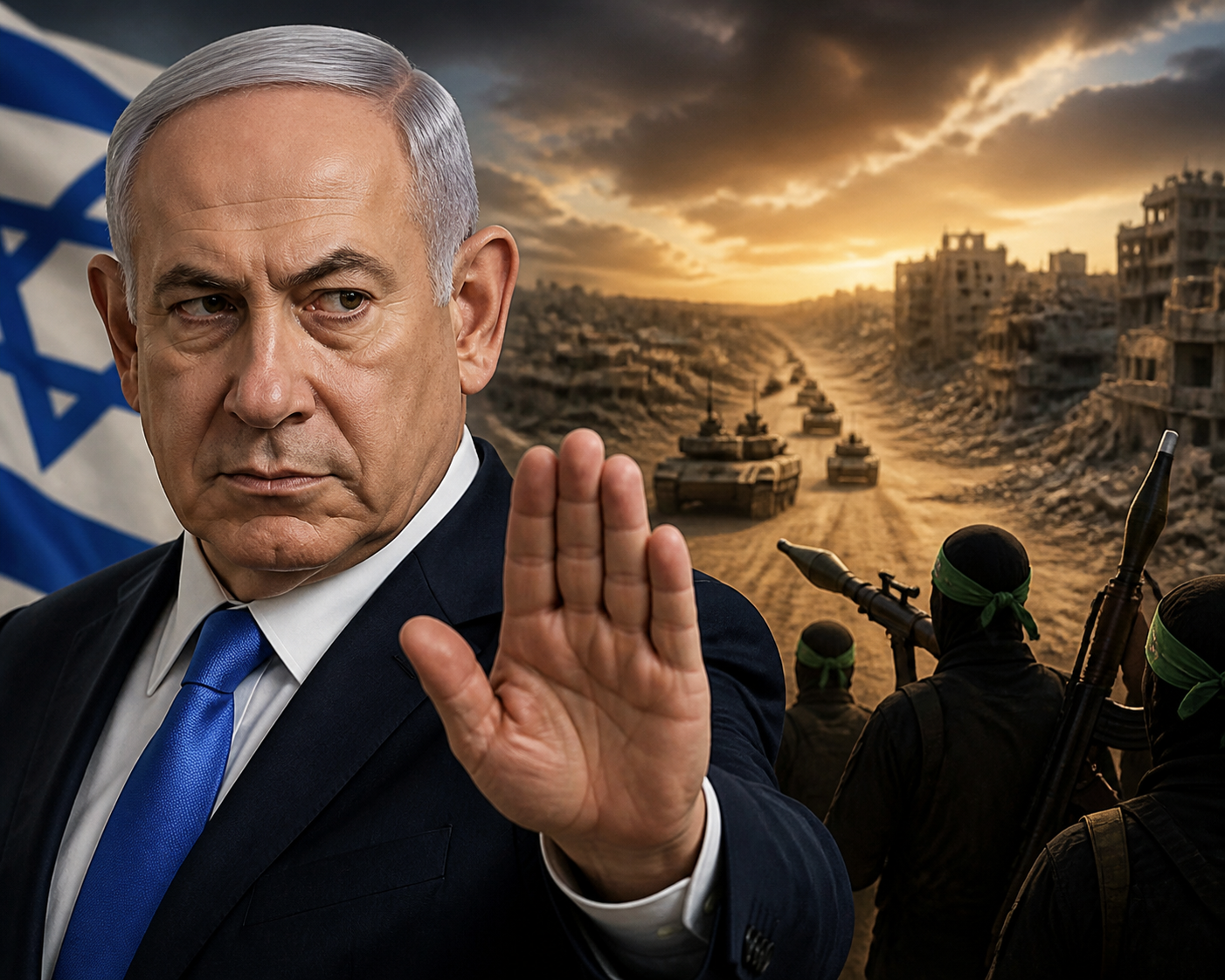
DEIR AL-BALAH, Gaza City (AP) — In a stark declaration, Israeli Prime Minister Benjamin Netanyahu affirmed on Tuesday that Israel would not retreat from its current positions in Gaza until Hamas is completely disarmed. This statement raises significant doubts about a recent agreement proposed by U.S. President Donald Trump, which aimed to end the ongoing conflict.
The proposed deal sought to facilitate Hamas’s disarmament, coupled with a halt to Israeli strikes and a phased withdrawal from approximately 60% of Gaza under Israeli control. However, Netanyahu emphasized that disarmament must precede any form of concession from Israel, revealing a rare schism with Trump’s administration.
"The Trump administration sent us a draft. We did not agree," Netanyahu stated, underscoring his commitment to Israeli security. As Netanyahu grapples with an impending election, his hardline stance reflects the complex dynamics of politics in this turbulent region.
Mass Funeral Highlights Human Cost
Amidst these political maneuvers, the human toll of the conflict became poignantly clear during a recent mass funeral in Gaza. Over 100 bodies recovered from a devastating Israeli strike on a residential area in November 2023 were laid to rest, a grim reminder of the war’s brutal consequences. This strike, which claimed over 300 lives, serves as one of the deadliest moments in the ongoing conflict. As families mourned, sentiments of loss and resilience permeated the air.
One grieving relative, Taysir al-Hassayna, poignantly remarked, “The only crime of these martyrs was that they remained steadfast in their homes.” This heartbreaking reflection reveals the deep yearning for peace, security, and belonging—a sentiment that echoes through centuries of conflict and struggle.
Ceasefire Challenges and Growing Casualties
As the ceasefire remains tenuous, recovery efforts continue within the devastated landscapes of Gaza. Since the ceasefire took effect, at least 1,252 more lives have been lost. The ongoing assaults and previous offenses have only exacerbated the dire humanitarian conditions faced by Gaza’s population, stripping many of the rudimentary needs that make a home.
In these challenging times, it is crucial to consider a fundamental principle rooted in love and compassion. Jesus taught in Matthew 5:9, “Blessed are the peacemakers, for they shall be called children of God.” This call to peace, even amidst turmoil, invites both sides to reflect on their actions and the broader implications for humanity.
The Way Forward
As negotiations stall and the situation intensifies, the underlying need for understanding and reconciliation grows ever more urgent. The conflict highlights not only political grievances but also the profound human desire for safety, dignity, and love—universal values that transcend borders and beliefs.
The heartbreaking scenes witnessed in Gaza remind us that behind every statistic lies a story, a family, a life. Let this be an invitation for all of us, regardless of our backgrounds, to embody the principles of empathy and responsibility toward one another.
As we engage with these issues, may we ponder this question: How can we become instruments of peace in our own communities and beyond? In moments of despair, it’s essential to cling to the hope that, through understanding and compassion, we can change the narrative and pave the way for a future filled with promise and collaboration.
If you want to want to know more about this topic, check out BGodInspired.com or check out specific products/content we’ve created to answer the question at BGodInspired Solutions
If positive Biblical wisdom matters to you, I’d love your support of the mission
Q&A about
Did Jesus have anything to say about disarming for peace?
Jesus teaches us the importance of peacemaking, reminding us in Matthew 5:9 that "Blessed are the peacemakers, for they will be called children of God." This indicates that striving for peace, even in contentious situations like the one in Gaza, aligns with a Christ-centered perspective.
How can I find hope for peace in the Middle East situation?
As believers, we can find hope in the promise of Christ, who said in John 16:33 that he has overcome the world. This reminds us that while conflict may rage, God’s ultimate plan prevails, encouraging us to pray for reconciliation and peace.
Are there any lessons from the Bible on dealing with conflict like Israel and Hamas?
In Romans 12:18, we are advised to "live at peace with everyone, as far as it depends on you." This teaches us that while we cannot control others’ actions, we can seek to respond with love and understanding, striving for a spirit of reconciliation.
What should my response be as a Christian to the violence in Gaza?
James 1:19 encourages us to be quick to listen, slow to speak, and slow to become angry. This principle can guide us in addressing such complex issues with compassion and in prayer, seeking God’s heart for both the victims and perpetrators involved in the conflict.