 0
0
 0
0
U.S.-Iran Conflict Escalates Amid Diplomatic Efforts; A Call for Peace
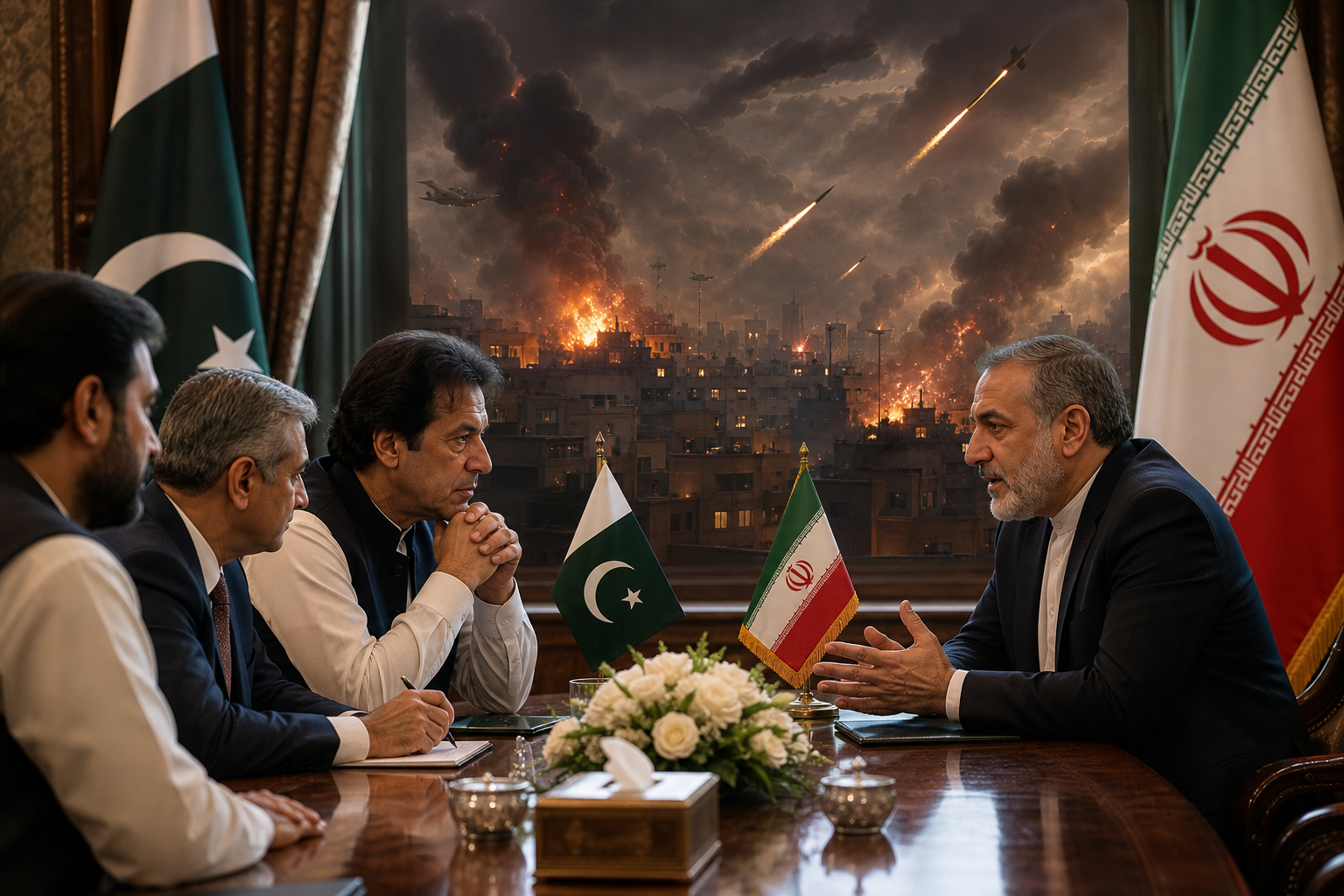
ISLAMABAD (AP) — Tensions reached new heights as the U.S. military conducted its 11th consecutive night of strikes on Iran, targeting military installations amidst a backdrop of failed diplomatic negotiations in Pakistan. This unexpected shift in military posture, led by President Donald Trump, underscores a significant escalation in a conflict that has drawn the attention of global observers, as efforts to broker a ceasefire collapse.
U.S. Central Command has confirmed that airstrikes focused on critical infrastructure, including aircraft hangars and drone storage facilities. Despite these efforts, Iran’s influence in the Strait of Hormuz, through which a substantial portion of the world’s oil supply flows, remains largely unchallenged. The ongoing hostilities have raised concerns about an impending humanitarian crisis, as both sides engage in targeting civilian infrastructure, causing distress for millions in the region.
Diplomacy Under Strain
Although Iranian Interior Minister Eskandar Momeni engaged in talks with Pakistani leaders in an attempt to rejuvenate diplomatic efforts, the outlook remains bleak. Momeni’s meetings with Pakistan’s army chief and Prime Minister Shehbaz Sharif highlighted a desperate need for restraint to avoid further destabilization in an already volatile environment. Prime Minister Sharif called for a commitment to peace, urging all sides to pursue dialogue over conflict.
President Trump, however, expressed a starkly different perspective from the Oval Office, stating the U.S. has "no interest in meeting" unless Iran demonstrates a readiness for meaningful negotiations. This lack of mutual trust exacerbates an already complex situation. As the conflict escalates, the stakes become even higher, impacting global energy markets and raising gas prices at home, where public sentiment shows increasing discontent with the war.
A Broader Impact: Civilian Targeting and Humanitarian Concerns
As airstrikes continue to rain down on Iranian military assets, Iranian retaliatory actions – including attacks on U.S. allies – further complicate the situation. Countries such as Jordan and Kuwait have reported missile strikes, threatening critical infrastructure such as desalination plants that provide vital water resources. The humanitarian implications are staggering; for example, the Kuwaiti government’s reliance on desalination for 90% of their drinking water makes the recent attacks not just military maneuvers, but a matter of life and death for its citizens.
Reflecting on Biblical Wisdom
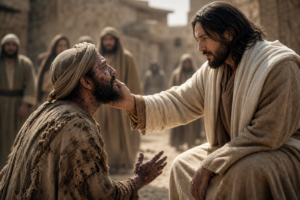
In times of turmoil and conflict, one might recall the biblical call for peace and understanding. In Matthew 5:9, it is stated, "Blessed are the peacemakers, for they shall be called sons of God." This verse prompts us to consider the vital importance of pursuing peace over strife, a principle that resonates even more profoundly amidst the chaos of war. One can wonder: what might have been achieved had both sides chosen the path of dialogue and understanding, rather than further conflict?
In an age where weapons echo louder than words, there lies a divine call to action for those who believe in fostering peace—echoing the teachings of Jesus who called for love, compassion, and reconciliation.
A Hopeful Path Forward
As global leaders ponder the ramifications of this ongoing conflict, let us reflect on the teachings that inspire peace and goodwill. The quest for understanding amidst differences is a challenge that demands courage, humility, and leadership.
As you consider the unfolding events, take a moment to reflect on how personal and community efforts can contribute to peace rather than division. What small step can you take towards reconciliation in your own life? In a world where angles are often focused on conflict, may we find avenues for peace and understanding.
If you want to want to know more about this topic, check out BGodInspired.com or check out specific products/content we’ve created to answer the question at BGodInspired Solutions
If positive Biblical wisdom matters to you, I’d love your support of the mission
Q&A about
Why is the meeting of Iranian officials with mediators in Pakistan significant for peace efforts?
This meeting highlights the importance of reconciliation, which is a central theme in Scripture. Jesus taught us to be peacemakers, as noted in Matthew 5:9, reminding us that those who pursue peace are blessed. Understanding the perspectives of nations can be a step toward reducing conflict and fostering harmony.
How should a Christian view the ongoing tensions between Iran and the US amidst this meeting?
In times of conflict, Christians are called to pray for our leaders and for peace, as encouraged in 1 Timothy 2:1-2. We can remember to have compassion in our hearts, reflecting Christ’s love even when we don’t agree with political decisions, and trust that God can work through difficult situations for ultimate good.
What can we learn about diplomacy from Jesus in light of international negotiations like this?
Jesus exemplified the way to influence and serve others through humility and dialogue, as seen in Philippians 2:3-4. Diplomats can adopt this approach by seeking not just their own interests, but looking out for the well-being of others, thereby paving the way for effective negotiation and understanding.
How can Christians respond to the threats of violence stemming from these international tensions?
Christians are called to embody a spirit of love and courage in the face of fear, remembering that perfect love casts out fear, as stated in 1 John 4:18. By cultivating a prayerful and peaceful disposition, we also contribute to a climate where compassion overcomes hostility, reflecting God’s kingdom on Earth.