 0
0
 0
0
Teton Mountain Goats: A Controversial Cull for Conservation
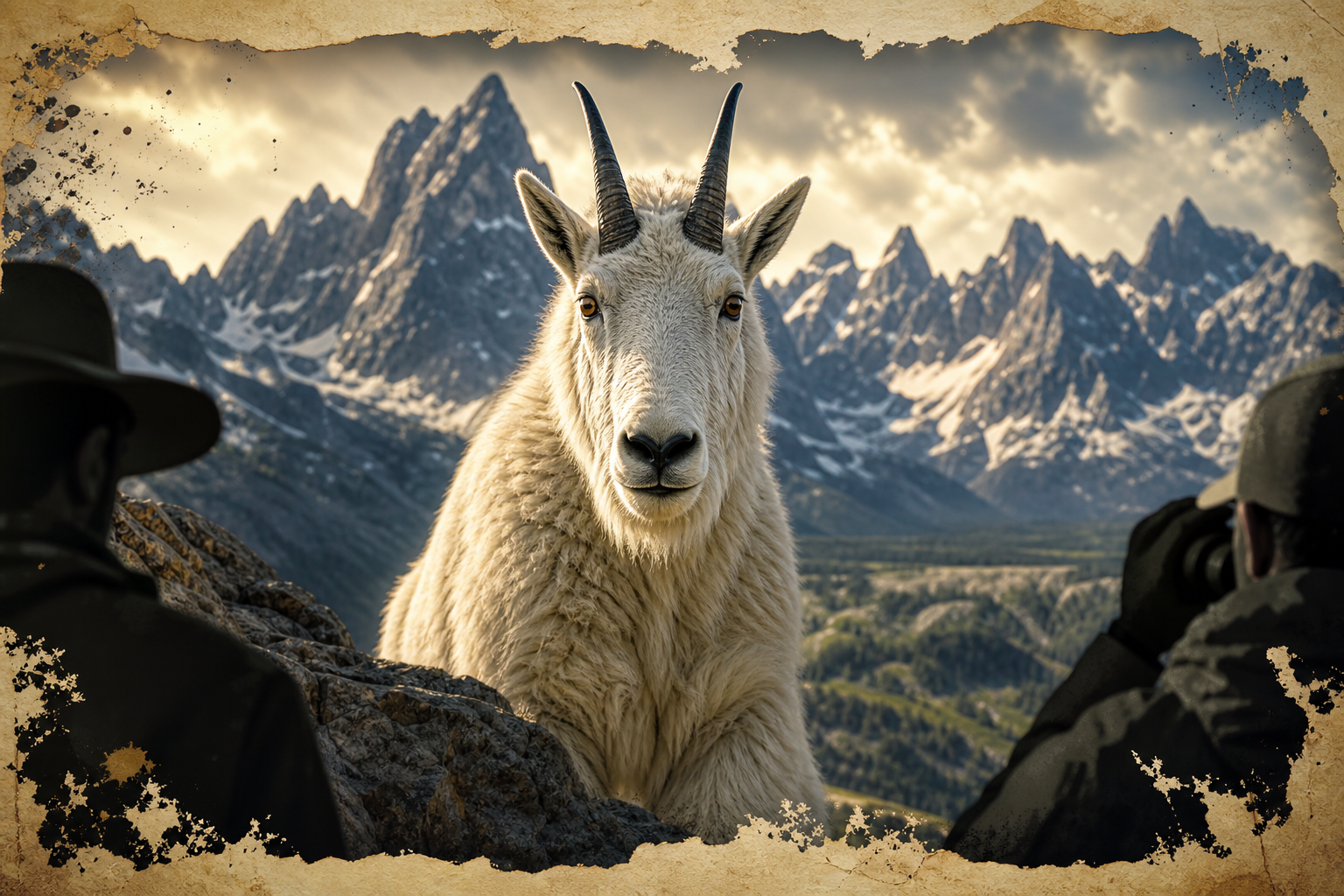
Jackson Hole, WY – The majestic Teton Range, a sanctuary for diverse wildlife, has been host to a significant conservation effort. The focus? The nonnative mountain goat, previously introduced to the area, which is now under fire from the National Park Service (NPS) due to its adverse impact on the native bighorn sheep population.
Mountain goats, recognized for their striking white fur and agility, have become synonymous with the rugged beauty of the Tetons. Sadly, their presence poses a threat to the more docile bighorn sheep. The goats not only compete for habitat but also carry diseases that can devastate native species. Park Superintendent Chip Jenkins emphasized, "We’re in the perpetuity business… ensuring that we’ve got bighorn sheep in the Tetons forevermore."
Navigating Conservation Challenges
Efforts to eliminate mountain goats have spanned years, with an intensive three-year culling campaign yielding mixed results. While significant numbers were removed, the rugged terrain makes it challenging to eliminate every last goat. Reports indicate that as of 2025, approximately 7 to 8 goats might still inhabit the southern part of the park. Such statistics highlight the ongoing struggle faced by conservationists and the delicate balance of maintaining biodiversity.
Interestingly, this story raises questions about stewardship, a principle emphasized in various facets of spiritual teachings. The Bible speaks to the responsible care of creation: "The Earth is the Lord’s, and everything in it" (Psalm 24:1). This verse reminds us of our duty to protect and sustain the environments that foster life, reflecting the interconnectedness of creation.
Community Involvement and Education
In an innovative move, the park has encouraged public involvement in its conservation efforts. Signs at trailheads prompt visitors to report sightings of both mountain goats and bighorn sheep—bridging a connection between humans and wildlife. It’s a reminder that as caretakers of the earth, we can play a crucial role in maintaining its balance.
Reflecting on the Journey Ahead
While the NPS navigates the complex relationship between species, the story of the Teton mountain goats serves as an invitation to reflect on broader spiritual lessons: patience, responsibility, and community involvement. Just as these conservation efforts require diligence and commitment, so too does the call for any community toward love and stewardship.
As Jenkins noted, the survival of the bighorn sheep depends on the persistent efforts of all involved in preserving its habitat. This reflects not just a physical endeavor but a moral one—one rooted deeply in the biblical call to care for creation.
An Encouraging Takeaway
In considering the plight of these animals and the interventions undertaken, let us also look inward. How can we contribute to the stewardship of our communities and the world around us? By embodying principles of compassion and responsibility, we can make a meaningful difference. As we navigate the complexities of our environment, may we be inspired to uphold the values of care and stewardship that the world so desperately needs.
As we explore these themes of conservation and human responsibility, let’s take a moment to reflect on how we can serve our communities better. We are all called to be stewards of God’s creation, nurturing the beauty that surrounds us for generations to come.
If you want to want to know more about this topic, check out BGodInspired.com or check out specific products/content we’ve created to answer the question at BGodInspired Solutions
If positive Biblical wisdom matters to you, I’d love your support of the mission
Q&A about
Why should we care about mountain goats in the Teton Range?
Caring for God’s creation demonstrates our stewardship responsibilities as outlined in Genesis 1:26, where we’re called to rule over the earth and its creatures. Mountain goats play a vital role in their ecosystem, and protecting them can reflect our commitment to preserving the beauty of God’s handiwork.
How can protecting mountain goats teach us about community and faith?
Just as Paul emphasizes in 1 Corinthians 12, every member of the body is essential to its overall health. Protecting the mountain goats and their habitat reminds us of our responsibility to support all forms of life, reinforcing our communal bonds and our role in God’s larger creation.
What does the decline of mountain goats in the Teton Range mean for our role as Christians?
The decline of a species can serve as a call to action for Christians to advocate for the voiceless in nature, reflecting Matthew 25:40, where caring for the least of these is equated to serving Christ Himself. Our active engagement in efforts to support mountain goats can illustrate our commitment to love and care for all of God’s creations.
How can I get involved in preserving the mountain goat population?
Involvement can be an expression of the love we are called to show in Romans 12:10, where we are urged to be devoted to one another and honor each other. Participating in local conservation efforts or spreading awareness can be a way to live out our faith actively, demonstrating our dedication to God’s creation.