 0
0
 0
0
Rediscovery of the Short-Tailed Roundleaf Bat: A Beacon of Hope in Nigeria’s Afi Mountain Wildlife Sanctuary
In an astonishing turn of events, a long-lost species has emerged from the shadows of extinction in Nigeria’s Afi Mountain Wildlife Sanctuary, reminding us of the beauty and resilience of creation.
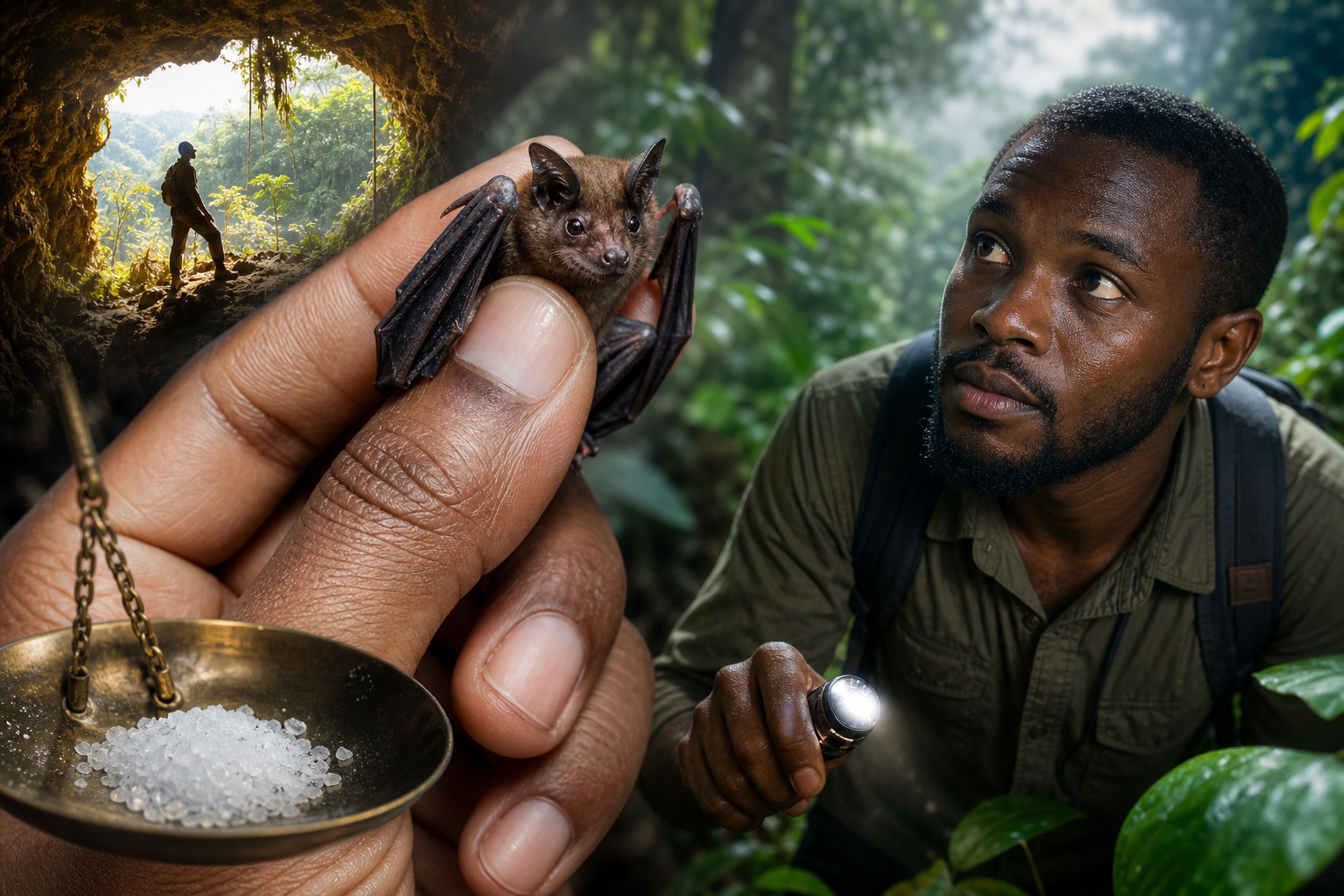
Just after sunrise, the tranquil sounds of the Afi Mountain Wildlife Sanctuary are interrupted by the chatter of a researcher and her team. The sanctuary, situated in the lush Cross River rainforest, spans an area comparable to central Paris and is home to a myriad of species, including the endangered short-tailed roundleaf bat (Hipposideros curtus). This tiny creature, last seen in the wild in the 1970s, was rediscovered in 2016 by Nigerian biologist Iroro Tanshi during her Ph.D. fieldwork, transforming not only her career but also the ecological landscape of the region.
Tanshi recalls the moment she realized the significance of her catch: “That was the moment that changed everything.” As she carefully examined the bat, she recognized it as an extraordinary specimen that had evaded human eyes for decades. Her findings reignited hopes for species long believed to be extinct due to deforestation and hunting.
Driven by a passion for conservation, Tanshi and her team utilized innovative trapping techniques, locating 15 more short-tailed roundleaf bats within the sanctuary over several months. These bats, weighing no more than a teaspoon of salt, depend on echolocation to navigate their dark, forested habitats. However, their existence remains precarious; Tanshi observed that despite the sanctuary’s protected status, local cultural attitudes toward bats often jeopardize their safety, as many villagers still view them as a source of bushmeat.
Reflecting on this harsh reality, it’s noteworthy to consider the biblical perspective on stewardship. In Genesis 2:15, it is written, "The Lord God took the man and put him in the Garden of Eden to work it and take care of it." This principle of stewardship should extend not only to larger, charismatic fauna but also to smaller, often overlooked creatures like the short-tailed roundleaf bat. Our role as caretakers of creation compels us to respect and protect the diversity of life, which, in turn, nourishes our ecosystems and enriches our planet.
In response to the challenges facing these bats, Tanshi established the Small Mammal Conservation Organisation (Smacon) alongside her colleague Benneth Obitte, advocating for the protection of bats, rodents, and other small mammals. They launched initiatives aimed at educating local communities about the ecological importance of these creatures, including innovative wildfire prevention strategies. Under Tanshi’s leadership, the incidence of wildfires in the region has significantly decreased.
In April, her tireless efforts earned her a Goldman Environmental Award, recognizing her commitment to conservation at a time when such action is increasingly vital. As Tanshi embraces her role as a National Geographic Explorer, she continues to inspire others, illustrating that even the smallest discovery can have monumental implications.
Tanshi’s journey serves as a poignant reminder of the interconnectedness of all living things and the responsibility we hold to safeguard them. As she puts it, “Something that we thought was extinct was in this beautiful place that nobody goes to.” This revelation invites us to ponder the depths of our own stewardship as we navigate the complexities of the modern world.
In a cultural context where wildlife is often perceived through a lens of superstition and fear, her work also emphasizes the importance of reframing narratives around often-maligned species like bats. Just as Jesus taught us to love and care for our neighbors, so too should we extend this compassion to all of creation. This broader understanding can lead to profound changes, fostering a heightened respect for biodiversity and the delicate balance of ecosystems.
As you reflect on Tanshi’s story, consider how you can take steps toward environmental stewardship in your own life. Whether through local conservation efforts or simply fostering a greater appreciation for the intricacies of nature, every action counts.
Let us remember the words from Proverbs 12:10: “A righteous man cares for the needs of his animal.” Every creature has a role in God’s intricate design; let us strive to honor that role through our actions.
As you engage with nature today, think about the small wonders you may encounter—what legacy are you building for the future of all God’s creation?
If you want to want to know more about this topic, check out BGodInspired.com or check out specific products/content we’ve created to answer the question at BGodInspired Solutions
If positive Biblical wisdom matters to you, I’d love your support of the mission
Q&A about
Why is the rediscovery of a tiny bat important from a Christian perspective?
The rediscovery of such a small creature highlights God’s incredible diversity in creation. Just as Jesus taught to care for even the least of these—like when He emphasized the worth of a single sparrow in Matthew 10:31—it reminds us that every part of God’s creation has value and a role to play in His grand design.
How can I apply the story of this bat to my faith journey?
Reflecting on the story of the bat can encourage you to appreciate the small, seemingly insignificant aspects of life. Jesus often emphasized the significance of the humble and the lowly, illustrating that even a small measure of faith can move mountains (Matthew 17:20). Recognizing God’s handiwork in every detail can inspire you to trust Him in both big and small moments.
What does the tiny size of this bat represent in the context of my spiritual life?
The bat’s small size can serve as a powerful analogy for humility and reliance on God. In 2 Corinthians 12:9, Paul shares how God’s strength is made perfect in weakness. Embracing our own limitations allows God’s power to shine through us, reminding us that greatness in the Kingdom is often found in humility.
How does this bat’s story reflect God’s concern for creation?
The rediscovery of the bat underscores God’s ongoing care for every aspect of His creation, no matter how small. Romans 1:20 tells us that God’s invisible qualities are clearly seen in what has been made. This serves as a reminder that we are called to be stewards of the earth, reflecting our Creator’s love in how we treat all living beings.