 0
0
 0
0
Maryland’s $500M Stream Restorations Spark Controversy Amid Environmental Concerns
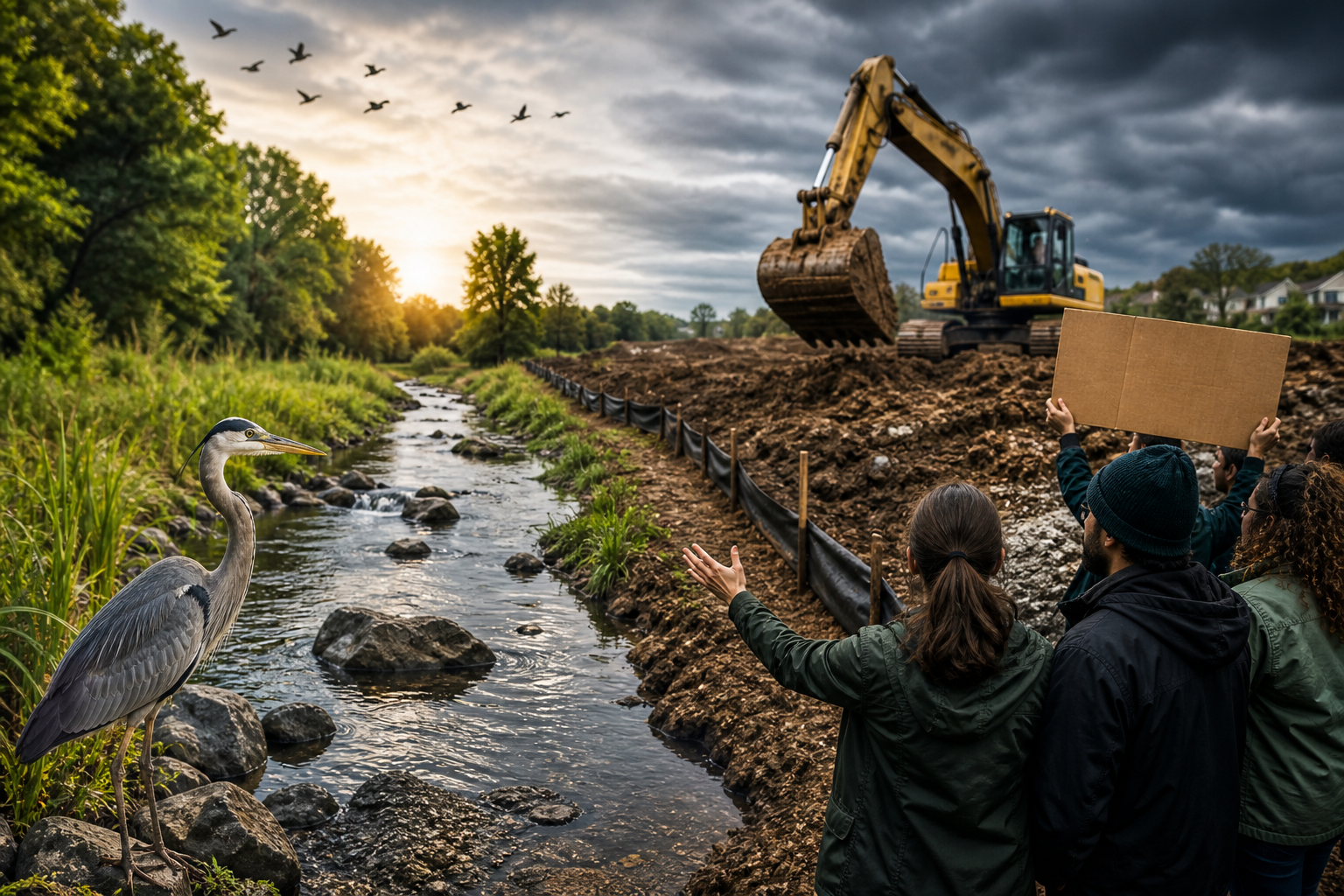
In an ambitious $500 million initiative aimed at revitalizing stream ecosystems, Maryland has announced extensive restoration projects that are already facing significant backlash from environmental groups and concerned citizens. The plan, which aims to enhance water quality, restoration of habitats, and flood mitigation, has raised questions about its potential impact on local communities and natural landscapes.
Supporters laud the initiative as a vital step toward protecting Maryland’s natural resources and promoting biodiversity. The projects will strategically address many of the state’s waterways, which have suffered from industrial runoff and urban development. However, critics argue that the aggressive approach taken in the plan poses risks to existing ecosystems and may disrupt local wildlife habitats.
Current debates highlight a growing concern over the balance between economic development and environmental stewardship—issues that the Bible speaks to, reminding us of our responsibility to care for creation. In Genesis 2:15, it states, "The Lord God took the man and put him in the Garden of Eden to work it and take care of it." This verse reflects a foundational principle: stewardship involves not merely managing resources but nurturing and preserving them for future generations.
As discussions unfold, stakeholders are calling for a more comprehensive approach that includes the voices of local communities affected by these restoration projects. Many argue that true restoration goes beyond just ecological repairs to encompass social and economic considerations, too.
Maryland’s initiative shines a light on the complexities of environmental restoration in the modern world. As we weigh the benefits and the potential fallout, one might pause to consider another biblical principle: “Whatever you do, do it all for the glory of God" (1 Corinthians 10:31). This perspective encourages us to approach ecological decisions with a sense of purpose and responsibility, seeking not only to solve immediate problems but also to honor and protect God’s creation.
Reflecting on the broader implications of this situation, we are invited to ponder how our everyday actions impact our environment and, by extension, future generations. The journey of restoration is not simply a physical endeavor; it’s also a spiritual one that calls for humility, collaboration, and a commitment to harmony with nature.
As the conversations continue in Maryland and beyond, let us strive for a balance that respects both creation and community, fostering a spirit of stewardship that honors the profound interconnectedness of life—an echo of the teachings of love and care that Jesus modeled for us all.
If you want to want to know more about this topic, check out BGodInspired.com or check out specific products/content we’ve created to answer the question at BGodInspired Solutions
If positive Biblical wisdom matters to you, I’d love your support of the mission
Q&A about
Why are Christians concerned about Maryland’s stream restoration efforts?
Many Christians might be concerned because these restoration projects can clash with the stewardship of land that God calls us to embrace. In Genesis, we see that God entrusted humanity with the care of His creation, highlighting our responsibility to balance restoration with the well-being of communities.
How does the environmental backlash against these projects relate to Christian teachings?
The environmental backlash often centers around the welfare of local communities and God’s command to love our neighbors. When projects harm communities, it reflects a failure to live out the principle found in Matthew where Jesus teaches us to care for one another as we would care for ourselves.
What can the Bible teach us about balancing environmental efforts and community needs?
Scripture emphasizes that we are to seek the welfare of the cities in which we live, as seen in Jeremiah. This means that any environmental effort, including stream restorations, should be balanced with the needs and voices of the community to ensure that all aspects of God’s creation are honored and protected.
How should Christians respond to the criticism surrounding these restoration projects?
Christians are called to seek peace and pursue justice, as echoed in Isaiah. This means engaging in open dialogue, listening to community concerns, and advocating for solutions that honor both creation and the people God has placed in those affected areas.