 0
0
 0
0
Spectacled Caiman Discovered in Florida Everglades: An Emerging Environmental Challenge
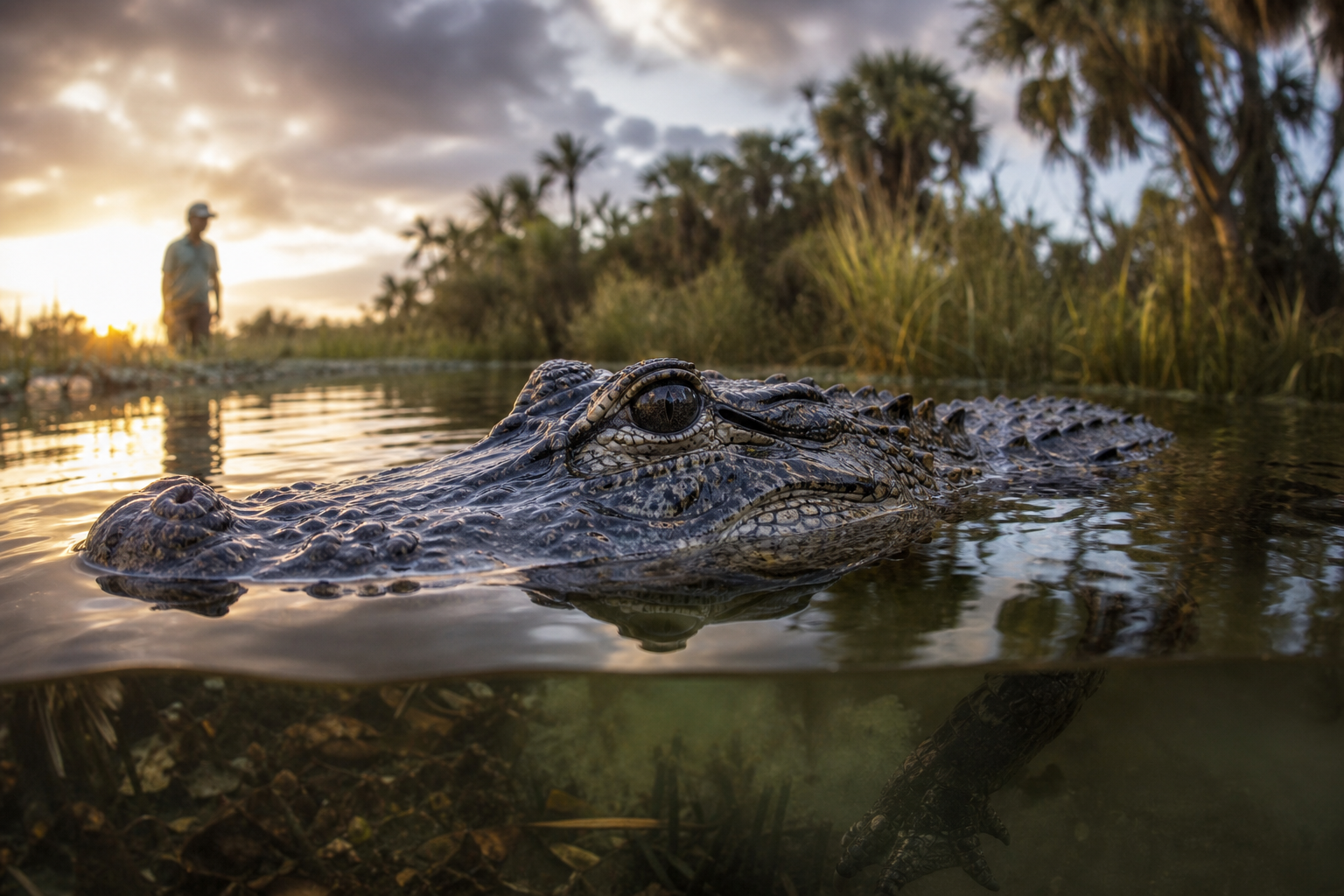
FORT LAUDERDALE, Fla. – While Florida may be famous for its towering, record-holding alligators, a lesser-known predator has also made its mark in the state. The University of Florida Institute of Food and Agricultural Sciences has reported the establishment of the spectacled caiman, an invasive species resembling a small crocodile, likely introduced via the exotic pet trade. Since the 1980s, these reptiles have begun to settle into the Florida Everglades, presenting significant ecological challenges.
Researchers have raised alarms over the potential impact of the spectacled caiman on the Comprehensive Everglades Restoration Plan (CERP), the largest wetland restoration project in U.S. history, which aims to protect and restore the delicate ecosystem of the Everglades. With billions of dollars dedicated to this cause, the encroachment of this invasive species adds an unexpected layer of complexity.
Dr. Sergio Balaguera-Reina, a leading expert in a new study on this subject, emphasizes that the caimans are not only widespread but also notably adaptable. “We now know the spectacled caiman is established in more areas than we previously thought,” he stated. Such adaptability raises urgent questions about the ecological balance between native species like alligators and the introduced caimans.
Despite the challenges posed by these reptiles, this situation invites reflection on some fundamental biblical principles. Just as Jesus taught the importance of stewardship and caring for creation, today’s researchers echo this sentiment as they work to understand and manage the effects of human actions on native habitats. In Genesis 2:15, it is stated, "The Lord God took the man and put him in the Garden of Eden to work it and take care of it." This call to stewardship is echoed in modern conservation efforts, urging us to protect and preserve our environment, much like the ongoing research into the spectacled caiman’s ecological impact.
As scientists track these invasive caimans to better understand their behaviors and habitats, they remind us of the value of vigilance and proactive engagement with our surroundings. Recognizing the caiman’s growing presence underscores the need for swift action and community involvement. Residents are encouraged to report sightings of these reptiles, allowing for more effective management of their populations.
In conclusion, as we face this unforeseen environmental challenge, it presents an opportunity for us to engage in stewardship – not only of our natural environments but also of our communities. The efforts to understand and control the spectacled caiman remind us of the importance of living intentionally and caring for God’s creation.
In this ever-changing world, let us take a moment to reflect on how we interact with the environment around us. As we do, consider the words of Jesus in Matthew 25:23, "Well done, good and faithful servant!" May we all strive to be good stewards of the gifts we have been given.
If you want to want to know more about this topic, check out BGodInspired.com or check out specific products/content we’ve created to answer the question at BGodInspired Solutions
If positive Biblical wisdom matters to you, I’d love your support of the mission
Q&A about
Why should I care about the invasion of other species in Florida?
Understanding the invasion of species in Florida can remind us of our call to stewardship. In Genesis, God entrusted humanity with caring for His creation, indicating that preserving the balance of ecosystems is part of our responsibility. When we recognize how an invasive species can disrupt local habitats, it encourages us to act in ways that honor God’s creation.
Is there a spiritual lesson in the way invasive species disrupt ecosystems?
Yes, the disruption caused by invasive species can symbolize how sin infiltrates our lives and communities. Just as an invasive species can choke out native plants, sin can stifle our spiritual growth. Jesus taught us about guarding our hearts, indicating that we must remain vigilant against influences that lead us away from a Christ-centered life.
How might I pray about the impact of invasive species on our environment?
Praying for our environment can include asking for wisdom and guidance in caring for creation, much like James encourages us to ask for wisdom from God. Remember that through prayer, we not only seek intervention but also ask for a heart that reflects Christ’s love for all living things, fostering a deeper commitment to stewardship.
What can Christians do to help with the issue of invasive species in Florida?
Christians can engage in local conservation efforts as an expression of their faith, acting in line with Jesus’ command to love our neighbors. By participating in community clean-ups or educational programs, we reflect the love and care that Jesus demonstrated, helping to restore the balance of God’s creation for future generations.