 0
0
 0
0
AI Revolutionizes Physics: A Double-Edged Sword in Discovery
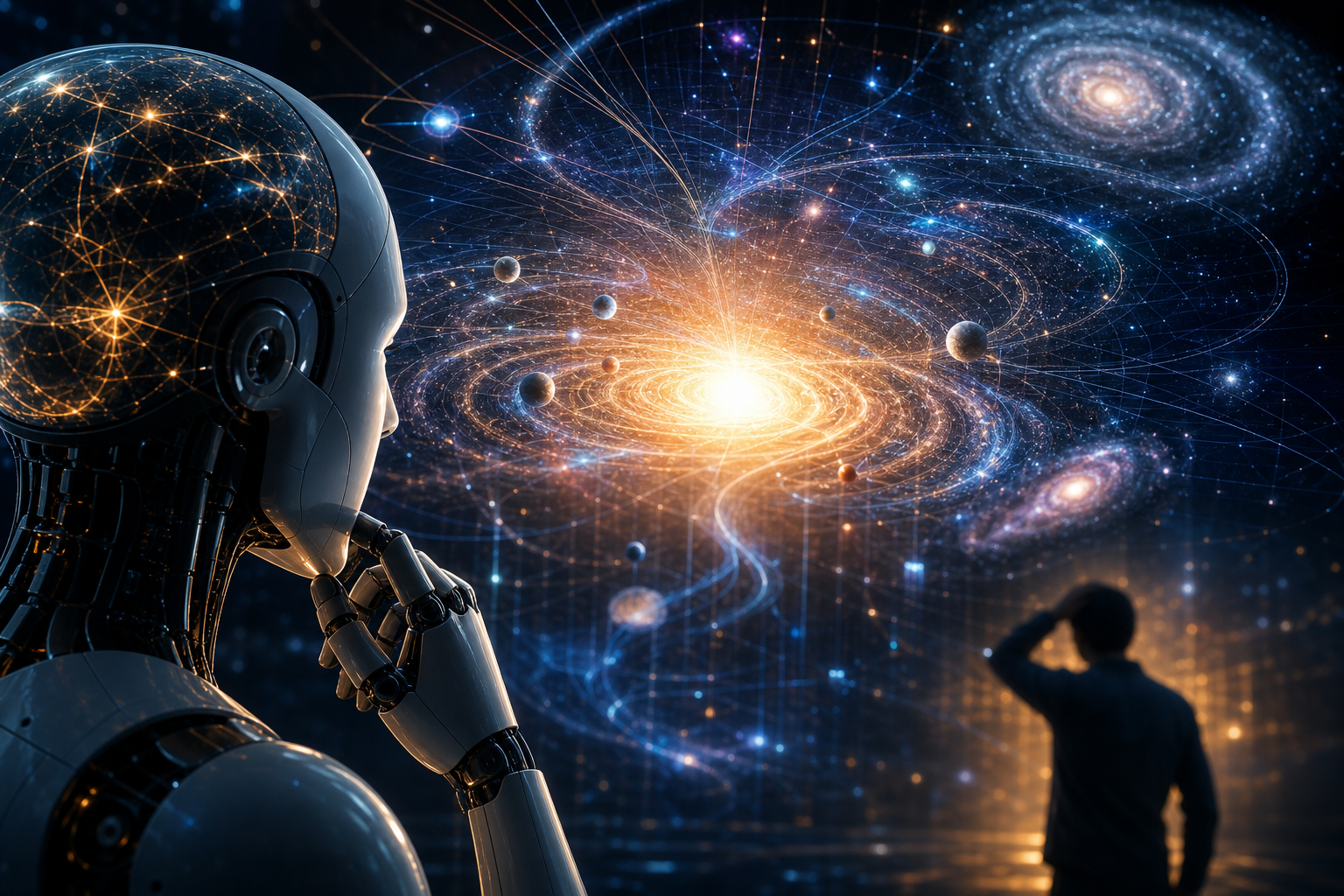
In a groundbreaking shift, artificial intelligence (AI) is being utilized to unlock the mysteries of the universe, revealing not only its complexities but also posing new challenges for physicists. Recent studies have shown that while AI can process vast amounts of data and identify patterns far beyond human capability, its reliance on established physics principles could inadvertently limit its potential for discovering new laws of nature.
One striking revelation from physicists is that AI may need to "unlearn" certain foundational theories to pave the way for innovative discoveries. As detailed in a report by Phys.org, researchers believe that in order to truly explore the unknown, AI systems must move beyond existing frameworks, which may inadvertently confine their capabilities. This notion echoes the age-old biblical principle that sometimes, growth requires letting go of ingrained beliefs. In Isaiah 43:19, it is said, "Behold, I am doing a new thing; now it springs forth, do you not perceive it?" This passage highlights the importance of embracing change and transformation.
Furthermore, an article in Gizmodo elaborates on how AI’s current understanding of the universe has generated unexpected problems, creating a paradox where established theories may hinder rather than help new discoveries. Similarly, the pursuit of knowledge, as illustrated in Proverbs 18:15—“The heart of the discerning acquires knowledge; the ears of the wise seek it out”—reminds us that wisdom often lies not in what is known, but in being open to the unknown.
Despite these challenges, the innovations driven by AI hold immense potential. Tech Times discusses how transfer learning techniques are cutting costs in cosmology research, offering new pathways in studying cosmic phenomena. However, this positive advancement comes with the caveat that the very tools designed to enhance our understanding may also trigger confusion—what is known as "negative transfer."
In recognizing AI’s potential while addressing its limitations, we are reminded of the Christian principle of humility. As stated in James 1:5, "If any of you lacks wisdom, let him ask of God, who gives generously to all without reproach." This insight implores researchers to approach their work with a mindset of inquiry, seeking guidance beyond human intellect.
The intersection of AI and physics not only sparks curiosity about the universe but also invites a reflection on our own lives. Just as AI may need to release outdated knowledge to grasp new possibilities, we, too, are called to shed limiting beliefs to embrace spiritual growth.
As we navigate this fascinating yet complex frontier, let’s hold onto the encouraging promise found in Philippians 4:13, “I can do all things through Christ who strengthens me.” This assurance invites us to foster an adventurous spirit, exploring the unknown with faith and wisdom.
In closing, as we ponder the transformative power of AI in physics, let us be inspired to approach our own challenges with an open heart and mind, ready to learn, unlearn, and ultimately grow. How might we apply this lesson today in our pursuit of knowledge and truth?
If you want to want to know more about this topic, check out BGodInspired.com or check out specific products/content we’ve created to answer the question at BGodInspired Solutions
If positive Biblical wisdom matters to you, I’d love your support of the mission
Q&A about
Did AI really solve how the universe works, and what does that say about God’s creation?
It’s fascinating that AI can analyze and predict aspects of the universe, yet it reminds us of Romans 11:33, where Paul speaks of the depth of God’s wisdom and knowledge. Even as AI uncovers mysteries, it highlights that God’s creation is beyond full human understanding, pointing us back to Him as the ultimate source of wisdom.
How should Christians respond to the idea of AI learning about the universe?
As Christians, we can embrace technology as a tool, recognizing that all knowledge ultimately comes from God, as seen in Colossians 1:16-17. This perspective encourages us to use AI responsibly, aligning our advancements with God’s values and purposes for humanity and creation.
Does understanding the universe through AI contradict my faith?
No, it doesn’t contradict faith; rather, it complements it. In John 1:3, we learn that all things were made through Christ, which means deeper insights into the universe can enhance our appreciation of God’s creation, allowing us to marvel at His handiwork even more.
What could be the spiritual implications of AI knowing so much about the universe?
The rise of AI’s knowledge should prompt us to reflect on our purpose, as seen in Matthew 28:19-20 where Jesus commissions us to make disciples. This suggests that while we explore scientific advancements, our greater mission remains in knowing Him and sharing His truths, using technology as a means to further His Kingdom.