 0
0
 0
0
Title: Russia Faces Setbacks in Ukraine Conflict, Experts Warn of deteriorating Situation
Date: August 21, 2026
In a stark assessment of the ongoing conflict, European Commission President Ursula von der Leyen declared that Russia is losing the war it initiated against Ukraine. Her comments come amid escalating tensions and a significant increase in military activities within the war-torn region.
As Russian threats toward the UK and NATO intensify, experts suggest these maneuvers may be hollow attempts to intimidate Western allies and deter further support for Ukraine. Bill Browder, a political activist and investment strategist, noted that Moscow’s "red lines" are increasingly inconsequential, hinting that such warnings should actually be viewed as opportunities for action.
On the ground, the situation remains volatile. Ukrainian President Volodymyr Zelensky has called for enhanced Western military support, emphasizing the need for advanced interceptors to bolster Ukraine’s defense capabilities. Meanwhile, neighboring countries, including Poland and Romania, have ramped up their military readiness in response to threats emanating from Russia, heightening tensions across Europe.
In a notable response to the conflict, Norway has expanded its Arctic military brigade, reflecting a broader trend among NATO nations to strengthen defense capabilities in light of the ongoing war. This expansion underlines the sense of urgency among European leaders to address the instability reverberating from the conflict.
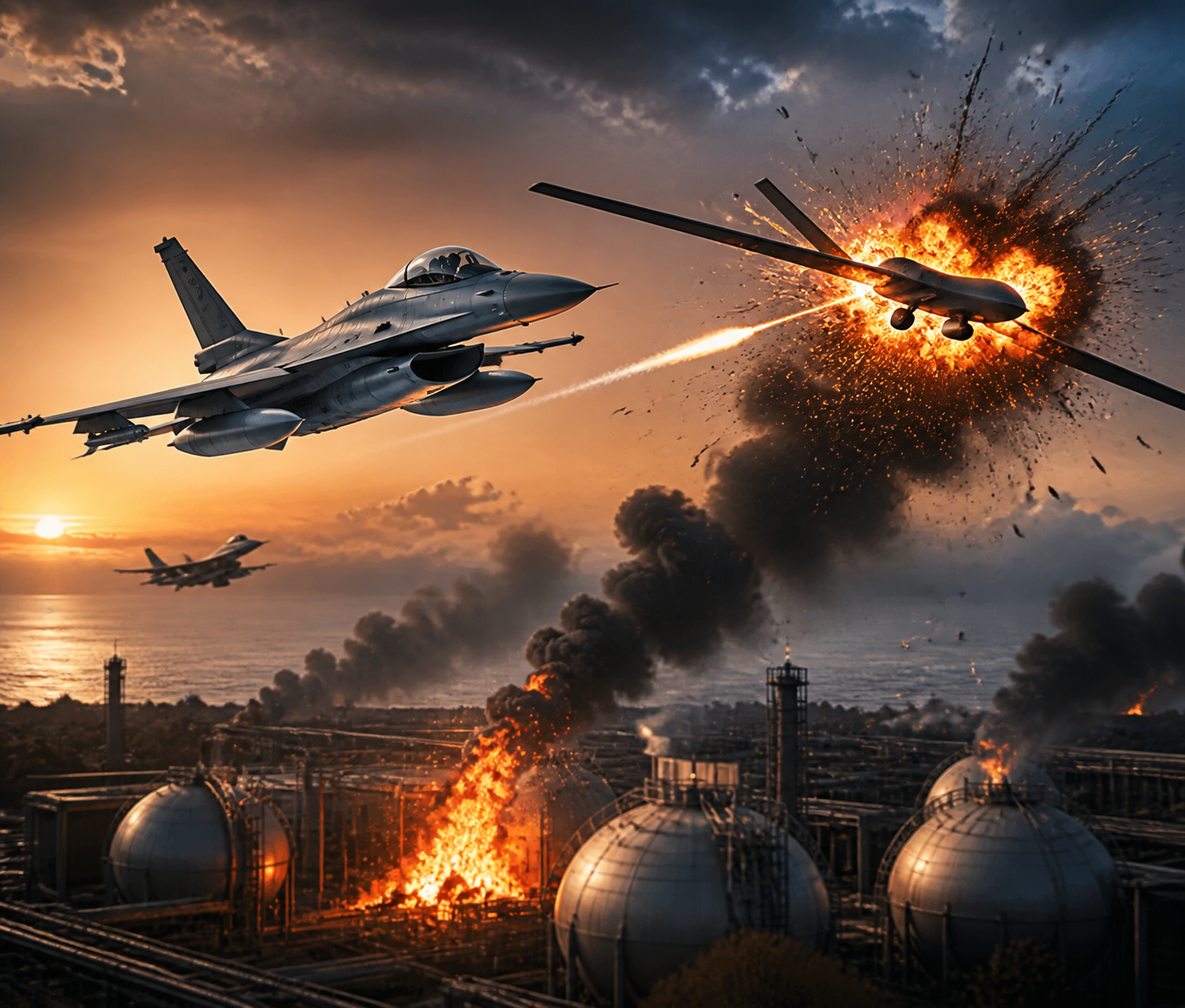
Remarkably, as Ukraine continues to strike Russian oil facilities in a bid to disrupt vital energy resources, the resilience of Ukrainian forces is evident. Reports indicate that a recent large-scale aerial attack by Ukraine involved the targeting of key oil infrastructure, further demonstrating the conflict’s escalation on both sides.
Despite the grim realities, a sense of hope can be drawn from the teachings of peace and resilience found in biblical scripture. In Matthew 5:9, it states, "Blessed are the peacemakers, for they shall be called sons of God." This verse reminds us of the higher calling towards reconciliation and peace, even amid strife.
As we reflect on this pressing global issue, it serves as a poignant reminder of the importance of pursuing peace and understanding in our communities. In times of uncertainty, fostering connections and engaging in constructive dialogue can pave the way for eventual healing and unity.
Ultimately, while the geopolitical landscape may be fraught with tension, the call to be peacemakers rings true—a timeless principle that encourages individuals and nations to seek resolutions that uplift rather than divide. Let us remain hopeful and proactive in nurturing a spirit of compassion and understanding, paving the way for a more harmonious future.
If you want to want to know more about this topic, check out BGodInspired.com or check out specific products/content we’ve created to answer the question at BGodInspired Solutions
If positive Biblical wisdom matters to you, I’d love your support of the mission
Q&A about
Are NATO’s actions in the Ukraine-Russia conflict justifiable from a Christian perspective?
NATO’s military interventions can be framed in the context of defending the oppressed, reminiscent of Jesus’ teaching to love your neighbor as yourself. When nations act to protect those facing aggression, they reflect the call to stand against injustice as seen in Matthew 5:9, where peacemakers are called blessed.
How should Christians respond to the ongoing violence in Ukraine?
In times of conflict, Christians are encouraged to be peacemakers and to pray for all involved, as taught in 1 Timothy 2:1-2. Our response should include compassionate support for victims and efforts to promote reconciliation, embodying love and mercy as modeled by Christ.
What does the Bible say about war and conflict, especially in light of recent events?
The Scriptures acknowledge the reality of war but also call for peace and reconciliation. Romans 12:18 encourages believers to live at peace with everyone, reminding us that while conflict may arise, our ultimate aim should be to pursue harmony and justice, reflecting God’s heart for restoration.
How can we as Christians help those affected by the war in Ukraine?
Practical help can manifest through prayer, financial support, and direct aid to those suffering. James 2:15-17 teaches us that faith without action is dead, urging us to be doers of the Word by actively caring for the needs of those impacted by the crisis, bringing hope and healing in Christ’s name.