 0
0
 0
0
Breakthrough Nasal Spray Offers Hope for Memory Restoration in Mice
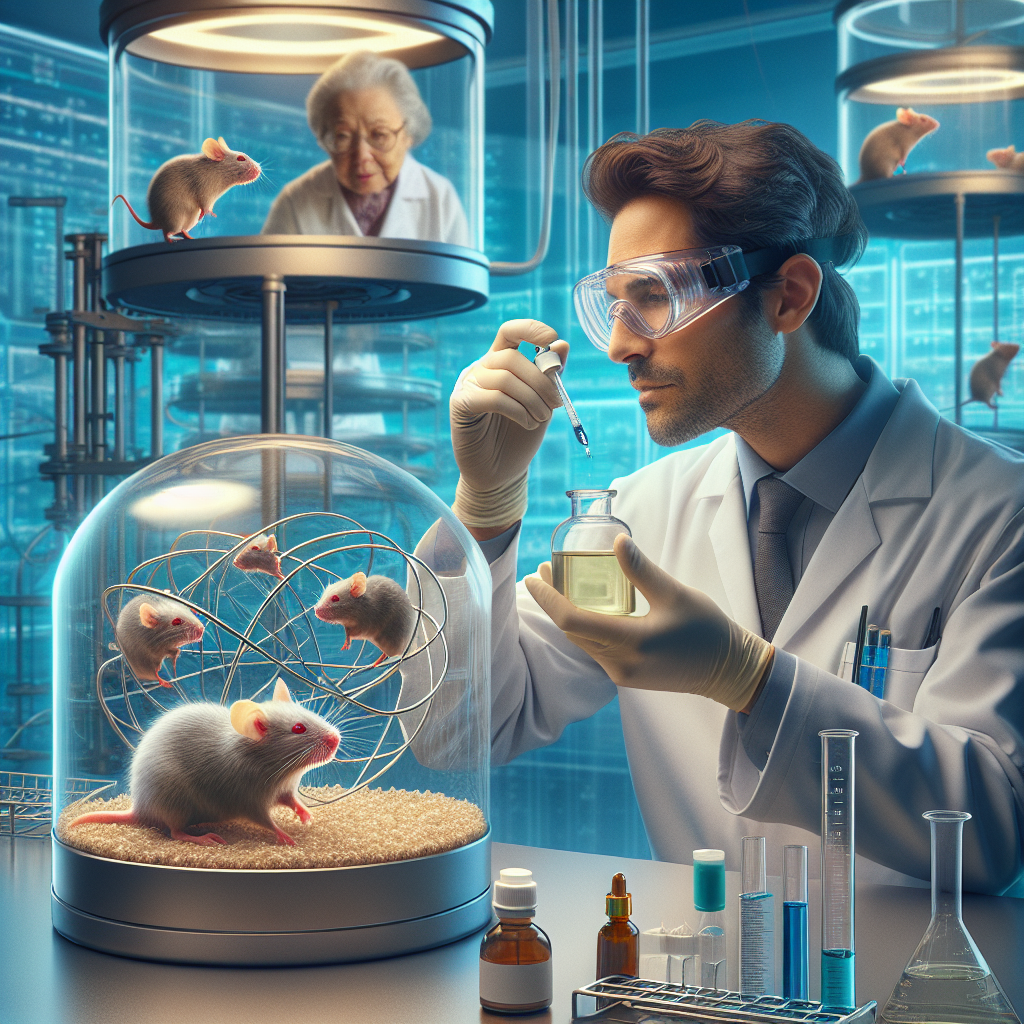
Researchers at Texas A&M University have discovered a groundbreaking nasal spray that shows promise in reducing brain inflammation and restoring lost memory function in mice.
In a significant development that could pave the way for future therapies in humans, the Texas A&M research team reports that the spray targets "neuroinflammaging," a term used to describe small pockets of chronic stress in the aging brain. This phenomenon is commonly associated with cognitive decline and neurological disorders like Alzheimer’s disease.
The study employed mouse models that were 18 months old—roughly equivalent to humans in their late 50s to late 60s. By administering two intranasal doses of the spray, researchers found notable performance improvements in tasks measuring object recognition and spatial memory compared to control mice.
Scientists utilized extracellular vesicles (EVs)—microscopic bubbles rich in proteins and genetic material derived from human stem cells—to combat brain inflammation effectively. “As we develop and scale this therapy, a simple, two-dose nasal spray could one day replace invasive, risky procedures,” said neuroscientist Ashok Shetty, emphasizing the treatment’s potential for broad applicability.
This study highlights a growing interest in harnessing the benefits of stem cells for therapeutic uses. One critical aspect is how microRNAs within the EVs can regulate gene expression, reducing alarm signals that drive neuroinflammation. “MicroRNAs act like master regulators. They help modulate many gene and signaling pathways in the brain,” noted researcher Madhu Leelavathi Narayana.
Impressive Findings and Their Larger Implications
The researchers reported promising results that could extend far beyond mice. With dementia cases projected to double by 2060 in the U.S., innovative approaches like this nasally administered treatment could offer new hope in managing age-related cognitive decline.
Bridging Science and Spirituality
The exploration of science through a lens of compassion mirrors biblical principles about caring for one another and enhancing our well-being. As we deepen our understanding of neurological health, we are reminded of the biblical call to care for our minds and bodies. In 3 John 1:2 (NIV), it is written, “Dear friend, I pray that you may enjoy good health and that all may go well with you, even as your soul is getting along well.”
This research embodies the spirit of that message, signaling progress toward healthier aging, enriched lives, and the restoration of cognitive function.
An Encouraging Takeaway
As we navigate the complexities of health and aging, let us embrace these advancements with a spirit of hope and gratitude. Just as the efforts of these researchers aim to restore memory function, we too can reflect on the importance of nurturing our mental and spiritual well-being, recognizing that both facets contribute to a fulfilling life.
Let us remain curious and engaged with the world around us, knowing that every step taken in understanding our health is a step toward better living—mind, body, and spirit.
If you want to want to know more about this topic, check out BGodInspired.com or check out specific products/content we’ve created to answer the question at BGodInspired Solutions