 0
0
 0
0
Transformation Within the Walls: Mental Health Reform at Kirkland Correctional Institution
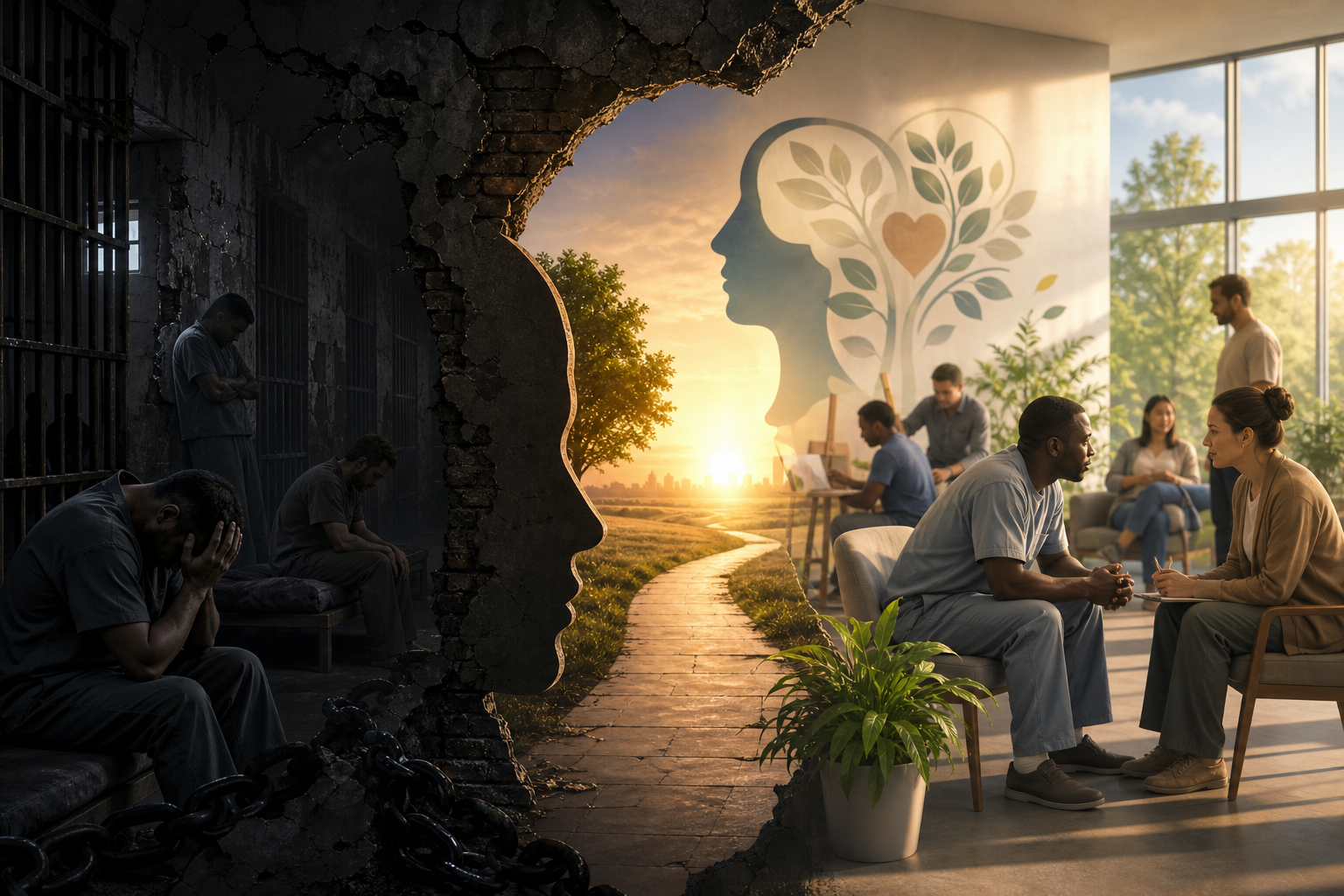
COLUMBIA, S.C. – Brightly colored murals and uplifting messages adorn the once bleak cinderblock walls of the psychiatric unit at Kirkland Correctional Institution. Phrases like “Always believe in yourself” and “Get out! Stay out! Succeed!” offer a glimpse of the significant transformations occurring within the facility, emblematic of a broader reform in South Carolina’s correctional system regarding mental health care for inmates.
A Historic Shift
A decade ago, the South Carolina Department of Corrections (SCDC) was criticized for its inadequate treatment of mentally ill inmates following a class-action lawsuit that exposed horrendous conditions resembling a “chamber of horrors.” With only one full-time psychiatrist for 24,000 inmates at the time, the need for change was dire.
Former Corrections Director Bryan Stirling describes the reforms as a “seismic shift,” leading to improved mental health resources, reduced solitary confinement, and more individualized treatment options tailored to the diverse needs of prisoners. According to Stirling, “Yes, we can win in court, but is it the right thing to do?” This moral question echoes a fundamental principle within Christian teaching: the imperative to care for the vulnerable and marginalized, aligning with Jesus’ message of compassion.
Ongoing Challenges
While significant strides have been made, issues persist. Advocates and legal experts point out that many county jails still lack the necessary mental health support, resulting in a system that continues to struggle with the treatment of mentally ill individuals. Tragically, over the past few years, at least 102 mentally ill individuals have died in South Carolina jails due to neglect, underscoring the urgency for continued reform.
Lead attorney Stuart Andrews emphasized that although the reforms inside the state prisons represent considerable improvement, care for mentally ill individuals in county jails often remains lacking. The challenge here reflects the biblical call for justice for the afflicted, resonating with verses such as Proverbs 31:8–9: “Speak up for those who cannot speak for themselves; ensure justice for those being crushed.”
Positive Outcomes
Currently, around 5,337 inmates — nearly a third of the prison population — benefit from mental health services, with the system now better equipped to meet varied needs. Facilities like Gilliam Psychiatric Hospital provide comprehensive care, combining treatment plans developed by teams of mental health professionals, ensuring that every inmate receives not just medical assistance but also emotional and social support.
Examples of individual progress abound. Harold Ancrum, who spent much of his life cycling between prison and the streets due to untreated bipolar disorder, describes his life after the reforms as transformative. “My problems went away,” he said, reflecting the profound impact of proper medical care — a healing process that mirrors the healing touch of Christ in various biblical narratives.
A Broader Perspective
As Kirkland Correctional Institution continues to evolve, it serves as a potential model for other facilities grappling with similar issues, promoting a holistic approach to mental health care within correctional systems. This journey of change invites each of us to examine how we treat the marginalized, reflecting on the biblical principles of love, mercy, and redemption.
In a world where many face their own "prisons"— be it mental health struggles, personal hardships, or societal neglect— let us strive to respond with compassion and action.
In the words of Jesus, “Whatever you did for one of the least of these brothers and sisters of mine, you did for me” (Matthew 25:40). Take a moment to reflect on how we can collectively nurture a society where every individual, no matter their circumstances, receives the care and kindness they deserve.
This call not only strengthens our communities but aligns us with a purpose that transcends our immediate surroundings, encouraging an ongoing commitment to service, justice, and healing.
Encouraging Takeaway
As we witness the transformation at Kirkland Correctional, let it be a reminder for us all: it is in our hands to advocate for change and uplift those who are struggling, ensuring that everyone has the chance to heal, grow, and find hope, just like the vibrant messages within those prison walls.
If you want to want to know more about this topic, check out BGodInspired.com or check out specific products/content we’ve created to answer the question at BGodInspired Solutions
If positive Biblical wisdom matters to you, I’d love your support of the mission
Q&A about
How can I reconcile the reality of SC prisons improving mental health care with my Christian beliefs?
The journey of SC prisons to improve their mental health care aligns with the biblical call to care for the marginalized and suffering. Jesus teaches us to love our neighbors as ourselves (Mark 12:31), and enhancing mental health care is a way to embody that love, demonstrating compassion for those in distress.
Is there any biblical basis for supporting rehabilitation in prisons for the mentally ill?
Yes, scripture emphasizes the importance of redemption and transformation. In 2 Corinthians 5:17, we are reminded that anyone in Christ becomes a new creation. Supporting rehabilitation affirms God’s grace and the possibility of renewal, reflecting His heart for those who have strayed.
How should I view the past issues in SC prisons through my faith lens?
Recognizing past injustices allows us to align with God’s desire for justice and mercy. Micah 6:8 instructs us to act justly, love mercy, and walk humbly with our God, urging us to advocate for change and healing in systems that have historically failed the vulnerable.
What role does my faith play in advocating for mental health care reform in prisons?
Your faith equips you to be a voice for the voiceless, as found in Proverbs 31:8-9, which calls us to speak up for those who cannot speak for themselves. Advocating for mental health reform is an expression of Christ’s love and compassion, promoting dignity and hope for individuals in prison.