 0
0
 0
0
OpenAI Launches Health in ChatGPT Amid Growing Public Concern
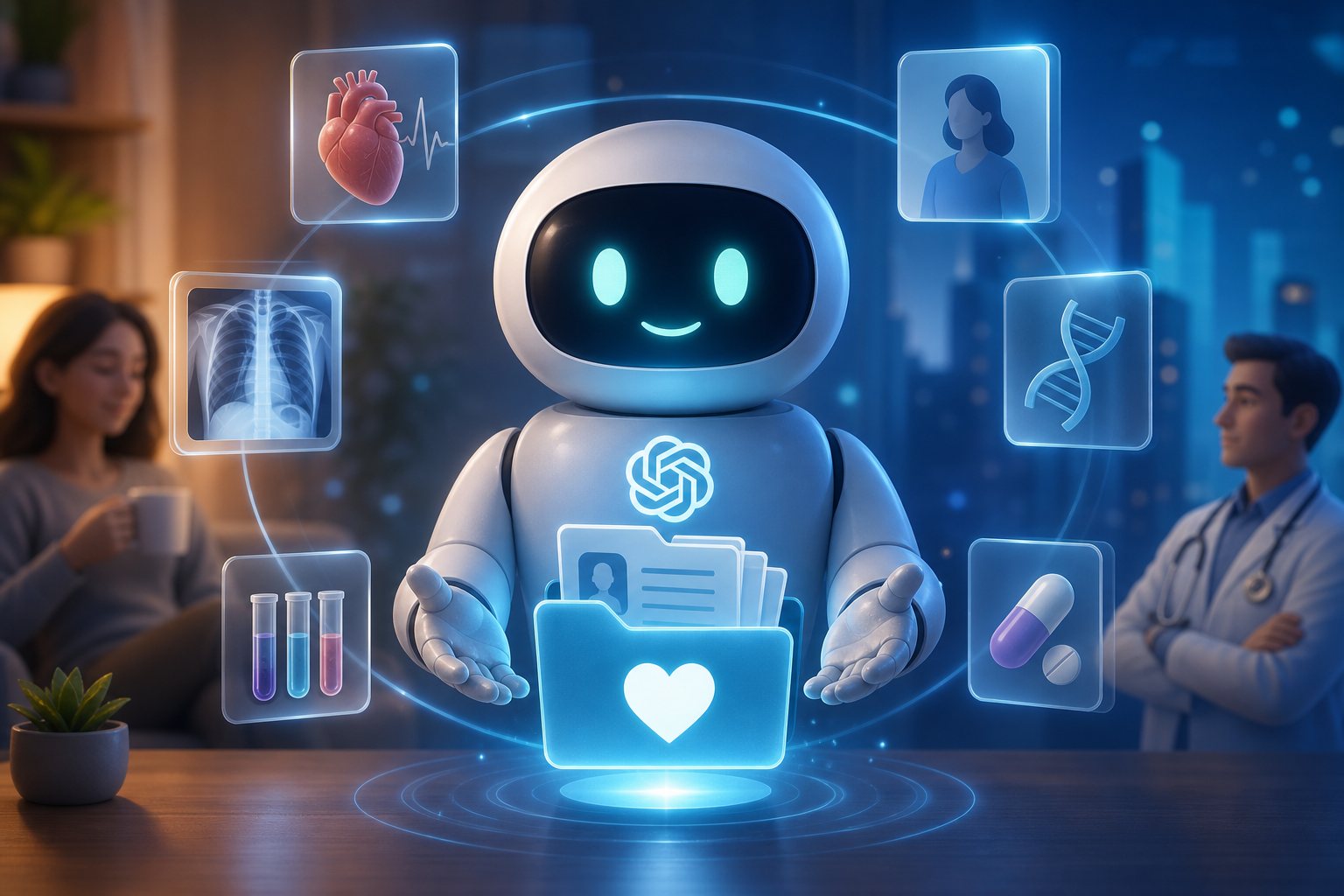
San Francisco, CA — OpenAI has announced a significant enhancement to its ChatGPT platform, now featuring a dedicated space for users seeking health advice. With an impressive 300 million individuals consulting ChatGPT weekly for health queries, this new tool allows users to upload medical records, include lab results, and connect their Apple Health data.
OpenAI describes its new feature as a means to empower users, stating that, with their permission, ChatGPT can analyze health patterns, summarize test changes, and compare new results with past data. Yet, experts are cautioning users to approach this innovation with both interest and caution.
Tanzeem Choudhury, Chief of Health Innovation at Cornell Tech, pointedly remarked, "Our healthcare is broken," underscoring a widespread need for accessible health advice. Herein lies an opportunity for artificial intelligence to democratize healthcare, particularly for individuals facing access barriers. However, Choudhury also highlights the potential risks, stressing the importance of safeguards and informed consent in sharing personal health data.
The Dangers of Misleading Advice
While the benefits of using ChatGPT for health inquiries may seem enticing, there are significant caveats. ChatGPT is not a licensed medical provider and risks delivering misleading information. Recent cases, including a devastating incident where a Florida man claimed to have received advice from ChatGPT that nearly caused his death, raise alarming questions about the reliability of AI in healthcare. OpenAI reiterates that ChatGPT should never replace the expertise of qualified health professionals, urging users to regard it as a supplementary resource.
The Bible teaches us the importance of wisdom and discernment: "For the Lord gives wisdom; from His mouth come knowledge and understanding" (Proverbs 2:6, NIV). This scripture reminds us that seeking wisdom and understanding is vital, particularly in matters as sensitive as our health.
Evaluating Risks vs. Benefits
Most notably, Choudhury points out that the responsibility to distinguish accurate information from potential misinformation ultimately rests with the user. Vulnerable populations, such as the elderly or those with cognitive impairments, might struggle to navigate this landscape effectively.
Columbia University computer science professor Vishal Misra emphasizes that while there are risks in sharing personal health data, the analytical capabilities of AI offer potential benefits. "AI can uncover connections that even skilled physicians might overlook," he notes. However, Misra insists that any advice provided by ChatGPT should always be validated with an actual healthcare provider.
Reflecting on Spiritual Principles
As we navigate this rapidly changing technological landscape, it’s worth contemplating how biblical wisdom can guide our choices. Jesus emphasized the need for love and caution in our interactions with others (Matthew 7:12), reminding us to treat others with the same care we would desire for ourselves.
Encouraging Takeaway: As we consider the potential benefits and pitfalls of using AI in healthcare, let us reflect on our responsibility to prioritize our well-being. Engaging with technology thoughtfully, and always seeking the counsel of trusted professionals, can empower us to make informed decisions that honor our physical and spiritual health. Just as we would consult wise friends for advice, let’s approach AI with discernment, ensuring our health choices align with our values.
In this digital age, integrating faith and knowledge can lead us toward healthier lives, both physically and spiritually.
If you want to want to know more about this topic, check out BGodInspired.com or check out specific products/content we’ve created to answer the question at BGodInspired Solutions
If positive Biblical wisdom matters to you, I’d love your support of the mission
Q&A about
Should I share my medical records on ChatGPT?
Sharing personal medical information can feel risky. In Matthew 10:16, Jesus advises us to be as shrewd as snakes and as innocent as doves, suggesting we should be wise and discerning about our personal data. Trust is vital, but so is protecting the health and privacy God has entrusted to us.
Is it a sin to use technology for sharing my health information?
Using technology itself isn’t sinful; it’s how we use it that matters. Romans 14:23 tells us that whatever does not proceed from faith is sin. If sharing your information helps you seek guidance or support while honoring your values, it can be a responsible choice.
How can I ensure my privacy is protected if I share my medical records?
To protect your privacy, you might evaluate platforms carefully, much like Proverbs 4:23 asks us to guard our hearts. It’s wise to consider how sharing fits into a Christ-centered life; prioritize your health and confidentiality as part of honoring God’s purpose for you.
What does the Bible say about seeking help with health concerns?
Seeking help, including medical advice, is supported in Scripture, as seen in James 5:14-15, where believers are encouraged to call for elders to pray and support healing. In sharing medical records with trusted sources, you can find community support, aligning with God’s intention for us to care for one another.