 0
0
 0
0
Title: Navigating Conflict with Compassion: A Call for Unity in Diverse Communities
In an era marked by division and discord, the recent increase in tensions within diverse communities serves as a powerful reminder of the need for compassion and understanding. Recent events have highlighted the challenges that arise when differing opinions clash, presenting an opportunity for individuals and groups to respond with grace rather than hostility.
The biblical principle of love and unity speaks volumes in times like these. As stated in John 13:34-35, “A new command I give you: Love one another. As I have loved you, so you must love one another. By this everyone will know that you are my disciples if you love one another.” This call to love transcends personal differences and invites us to engage with each other meaningfully.
As communities grapple with various societal issues, the importance of diverse perspectives cannot be understated. However, navigating disagreements often leads to heated confrontations. In this context, Jesus’s teachings remind us that while we may not always agree, our interactions can still be grounded in respect and empathy.
Consider the story of the Good Samaritan (Luke 10:25-37), where societal boundaries were crossed to extend kindness to a stranger. This narrative illustrates that genuine care and assistance to others, irrespective of their backgrounds, are fundamental to our humanity. It challenges us to question how we can embody this principle in our daily lives, particularly when faced with conflict.
As we engage in discussions surrounding complex issues, let us strive for a tone of dialogue rather than debate. It is crucial to listen actively, seek to understand, and respond with kindness. These actions not only reflect our individual character but also serve to build a more inclusive community where every voice is valued.
Our collective journey forward hinges on this commitment to unity. In a world that often promotes division, the call to action is clear: let us be ambassadors of peace and love within our own spheres of influence. This commitment will lead us closer to the communal harmony we all seek.
As you reflect on these challenges and opportunities, consider this encouraging takeaway: “Blessed are the peacemakers, for they will be called children of God” (Matthew 5:9). May we all strive to be peacemakers in our communities, embodying the principles of love, understanding, and compassion.
If you want to want to know more about this topic, check out BGodInspired.com or check out specific products/content we’ve created to answer the question at BGodInspired Solutions
If positive Biblical wisdom matters to you, I’d love your support of the mission
Q&A about
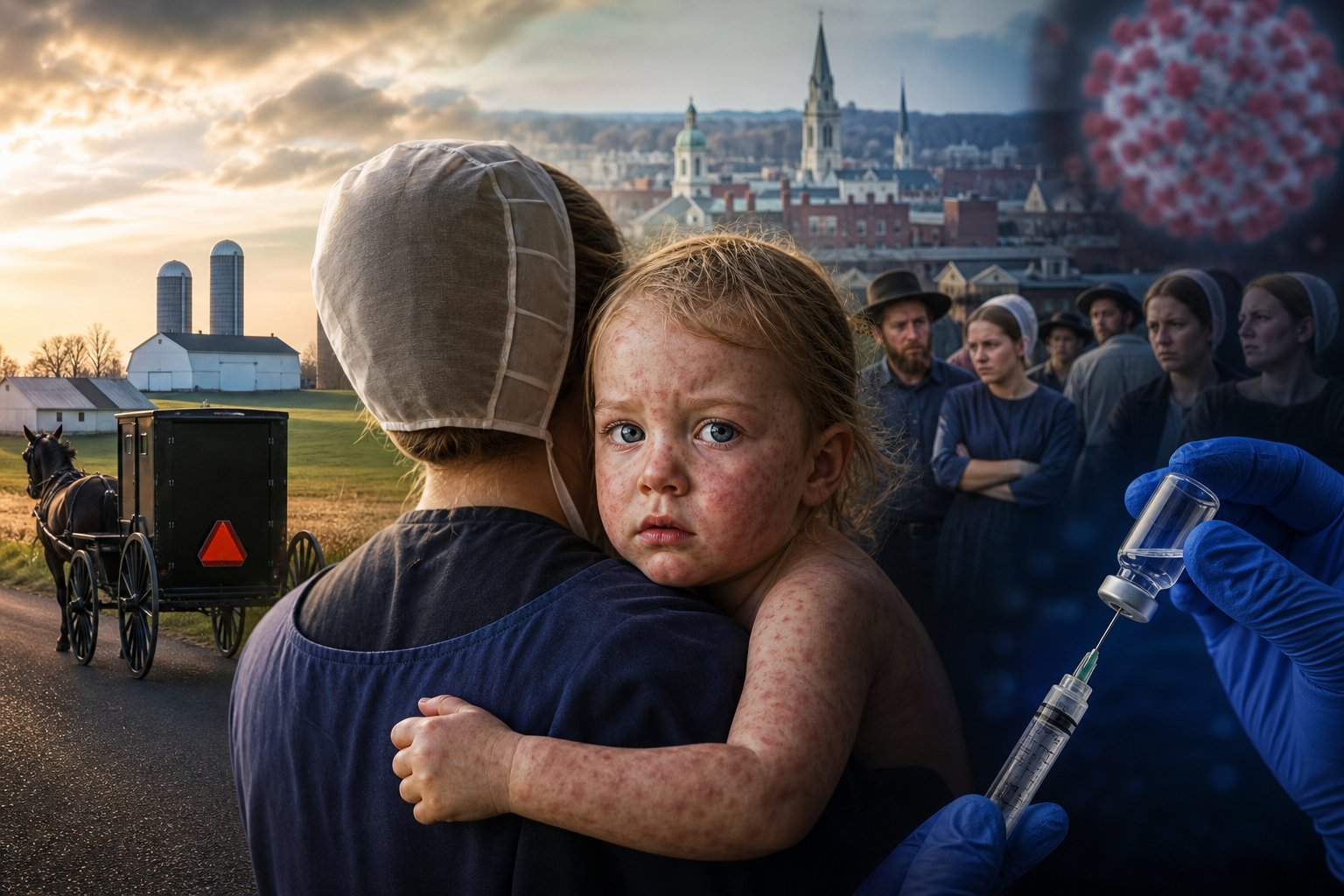
How can I trust the healthcare system amid the current measles outbreak in Lancaster, PA?
Trust can be challenging, especially when community health concerns arise. However, Scripture reminds us in Proverbs 3:5-6 to "trust in the Lord with all your heart" and lean not on your own understanding. It is important to seek guidance from God while also considering the wisdom He provides through healthcare professionals.
Why is there so much distrust towards vaccines and the healthcare system?
Distrust often arises from fear and misinformation, similar to how the Israelites struggled with fear in the wilderness. As Paul encourages in Philippians 4:6-7, we must not be anxious but present our concerns to God in prayer. Fostering open dialogue and seeking truth can help bridge understanding in both faith and healthcare.
How should I respond to friends or family who are hesitant about vaccines?
Approach the conversation with love and patience, as seen in 1 Peter 3:15, where we’re called to provide answers with gentleness and respect. Share both your concerns and the importance of caring for the vulnerable, reflecting Matthew 25:40, where Jesus emphasizes that caring for the least among us is akin to caring for Him.
What does the Bible say about our responsibility to protect others in light of a public health crisis?
We are called to love our neighbors as ourselves (Mark 12:31), which extends to taking actions that protect public health. It’s important to remember that our choices can impact those who may be more vulnerable, echoing the principle found in Romans 13:10 that love does no harm to a neighbor.