 0
0
 0
0
Powerful Earthquakes Shake Venezuela, Leaving Residents in Shock and Vulnerability
By [Your Name]
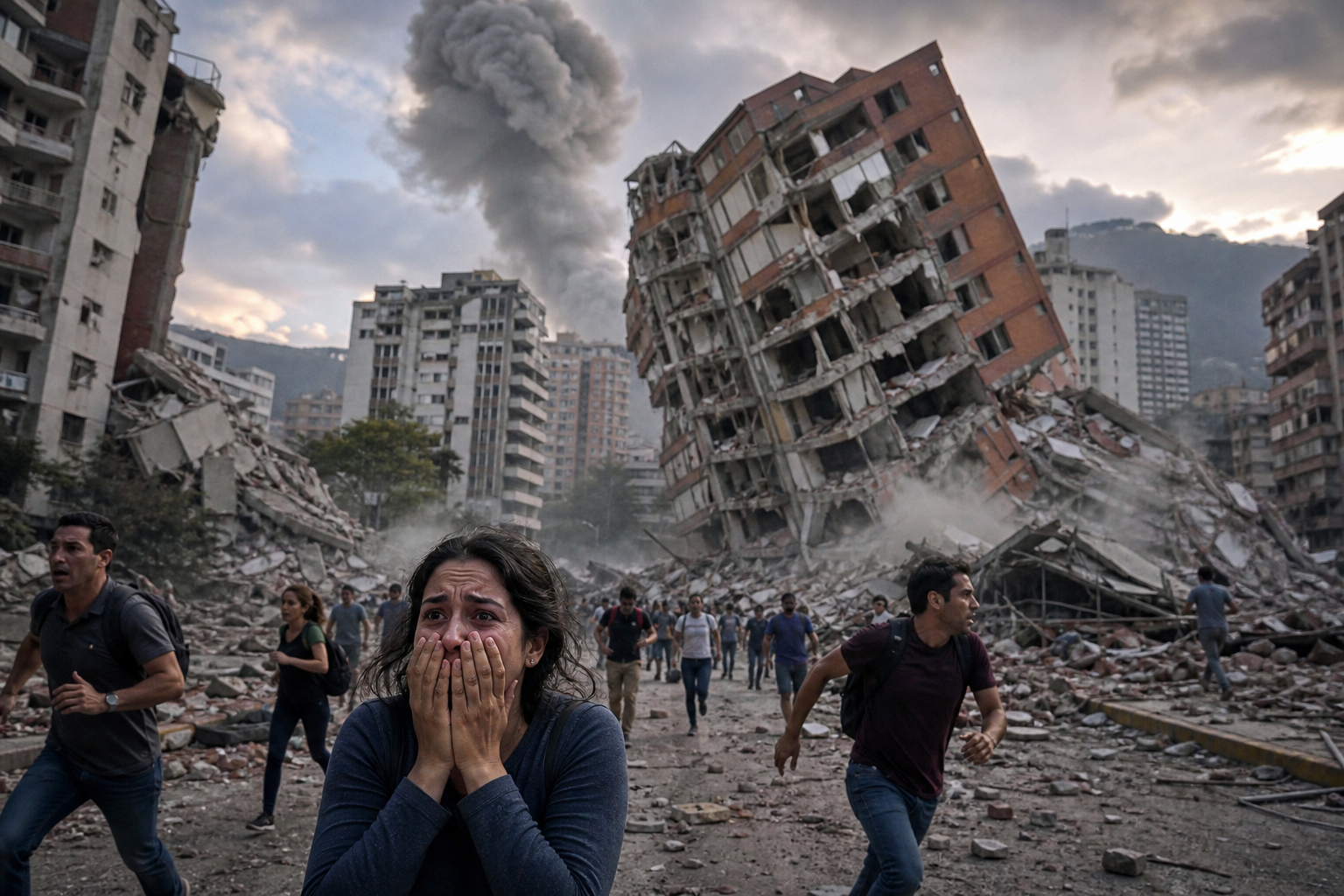
CARACAS, Venezuela (AP) — In an alarming turn of events, back-to-back earthquakes struck Caracas on Wednesday evening, registering magnitudes of 7.1 and 7.5, and sending tremors through the very heart of the capital. The U.S. Geological Survey identified the first quake’s epicenter west of Morón, located along the Caribbean coast, about 168 kilometers from Caracas.
At approximately 6 p.m. local time, the city quaked, forcing residents into action as buildings swayed perilously. Many people evacuated their homes, standing outside in shock as they witnessed the destruction, with entire walls crumbling and furniture spilling into the streets. "The building really shook from side to side. Unreal," said Caracas resident Roberto Gamas. "Thank God we were able to get out."
The aftermath of the quakes sparked immediate concerns about safety. Interior Minister Diosdado Cabello reported “alarming situations” in the Altamira neighborhood, where collapsed structures posed risks to those nearby. He urged residents to check on one another and adhere to emergency protocols, emphasizing the need for caution, particularly for children and the elderly.
As the dust settled, a sense of vulnerability gripped the city — a reminder of the fragility of human existence. Just as the parable of the wise and foolish builders reminds us (Matthew 7:24-27), our lives are built on foundations that can be tested by unpredictable forces. In this case, the seismic activity served as a jarring reminder of our dependence on a solid ground, both physically and spiritually.
Authorities issued tsunami alerts for the Virgin Islands and the Dominican Republic in the wake of the quakes, though many were quickly lifted. While Venezuela’s geological context makes such strong earthquakes rare, their occurrence is a stark reminder of nature’s power and unpredictability.
The tremors brought Caracas together in a spirit of solidarity. Hector Ricci, another resident, described the experience, saying, “It started off gently and then gradually grew. In the end, we all had to leave our houses and gather together.” Moments like these evoke the biblical principle of community and shared support, as we remember that "where two or three gather in my name, there am I with them" (Matthew 18:20).
As clean-up and assessment efforts begin, it’s crucial to reflect on the broader implications of such natural disasters. They can inspire us to examine the foundations of our lives—our relationships, faith, and sense of security.
In the midst of uncertainty and fear, let us hold onto the enduring promise found in Psalm 46:1: "God is our refuge and strength, an ever-present help in trouble." As we navigate challenges, may we encourage one another to seek resilience and hope.
In the wake of Wednesday’s natural disaster, it’s our collective strength and compassion that will guide us forward. Let us reflect on how we can support each other in times of crisis, building connections grounded in love and faith. The greater lesson here is that even in the face of adversity, communities can rise together, embodying hope and resilience in their shared humanity.
If you want to want to know more about this topic, check out BGodInspired.com or check out specific products/content we’ve created to answer the question at BGodInspired Solutions
If positive Biblical wisdom matters to you, I’d love your support of the mission
Q&A about
Why would God allow powerful earthquakes to hit Venezuela?
God uses trials, including natural disasters, to remind us of our fragility and dependence on Him. Romans 8:28 tells us that in all things God works for the good of those who love Him. This can encourage us that even in suffering, His purpose prevails.
How can I help those affected by the earthquakes in Caracas?
You can offer financial support, donate supplies, or volunteer your time. James 2:14-17 teaches us that faith without action is dead, encouraging believers to put their faith into practice by helping those in need. Your compassionate response can reflect Christ’s love in tangible ways.
Is there a way the church can respond to tragedies like this?
The church can provide comfort and support through prayer, community outreach, and resources. 2 Corinthians 1:4 speaks of God comforting us so we can comfort others, emphasizing our role in being God’s hands and feet during crises. This response can strengthen the community and help rebuild hope.
How should I pray in light of these earthquakes?
Pray for healing, comfort, and strength for those affected, remembering that Jesus invites us to bring our burdens to Him (Matthew 11:28-30). Also, consider praying for wisdom and guidance for local leaders and relief efforts. Your prayers can be a source of hope and light during such dark times.