

An AI found a CRISPR-like system in virus DNA after 21 hours of searching. Nobody knows what it does yet, and CRISPR itself waited 20 years for that answer.

 0
0
 0
0
Envy vs Jealousy: Why God Is Jealous but Never Envious
Envy vs jealousy: envy wants what someone else has; jealousy guards what is yours. Why the Bible calls God jealous, never envious, and what envy did to Jesus.
 0
0
0
0
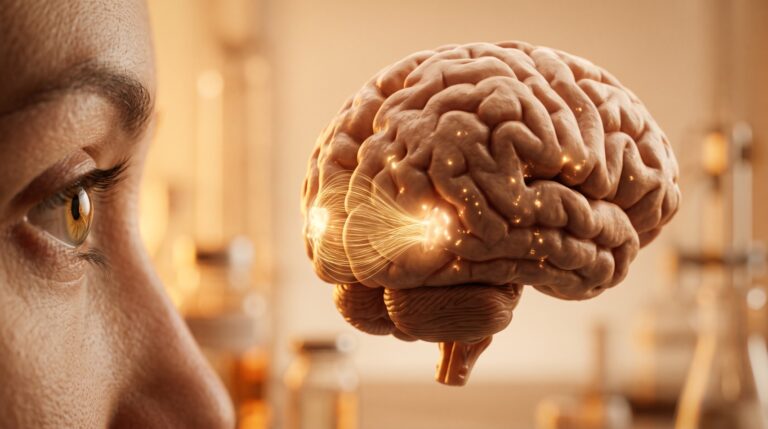
What Is High-Functioning Anxiety? The Worry Nobody Sees
What is high-functioning anxiety? It is the worry hidden inside getting everything done. The signs, why it is not a diagnosis, and simple ways to carry less.
 0
0
0
0
Brain Consensus Building: Why a Lone Signal Fades Fast
Brain consensus building: two visual areas keep only what both agree on and let a lone signal fade in a fraction of a second. What it means and what it doesn’t.
 0
0
0
0
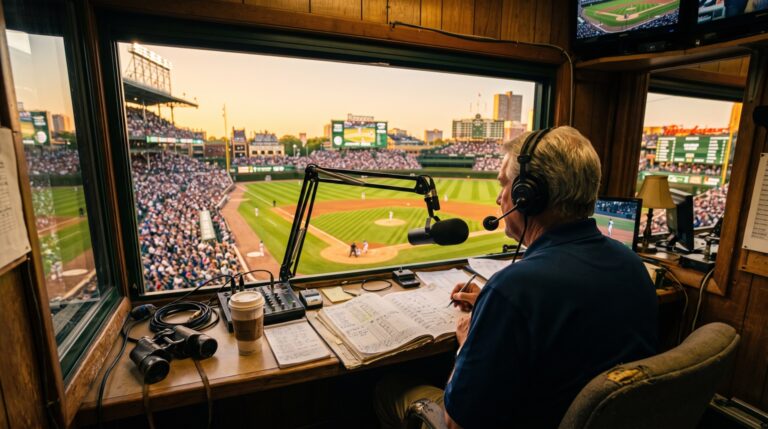
Rick Rizzs’ Last Call: 41 Years and Never a World Series
Rick Rizzs calls his last Mariners game Sunday after 41 years with the only MLB team never to reach a World Series. The word he keeps using isn’t regret.
 0
0
0
0
What Is the Armor of God? It Was God’s Armor First
What is the armor of God? Paul’s list in Ephesians 6 wasn’t new. Isaiah pictured God wearing the breastplate and the helmet first. Here’s why that matters.
 0
0
0
0
What Are the Fruits of the Spirit? Why Paul Wrote “Fruit,” Not “Fruits”
What are the fruits of the Spirit? The 9 in Galatians 5:22-23, plus the small word Paul chose that turns a tiring checklist into something that simply grows.
 0
0
0
0
Greek Word for Name: What Does “Onoma” Really Mean?
The Greek word for “name” is onoma (G3686), and in the New Testament it carries authority, not just identity, which changes what it means to pray, baptize, and bow “in the name of Jesus.”
 0
0
0
0
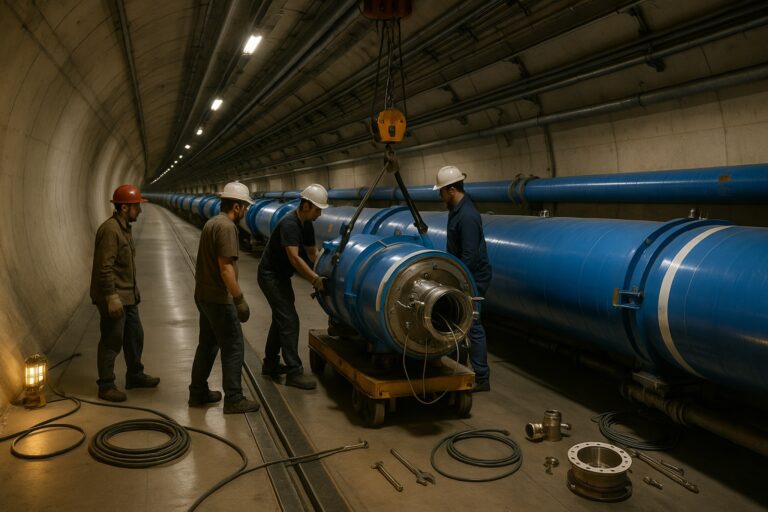
Large Hadron Collider Shutdown: Why It Must Stop to Grow
The Large Hadron Collider shutdown has begun: CERN is pulling out 20-year-old magnets to rebuild the machine 40% stronger by 2030. Why it has to stop to grow.
 0
0
0
0
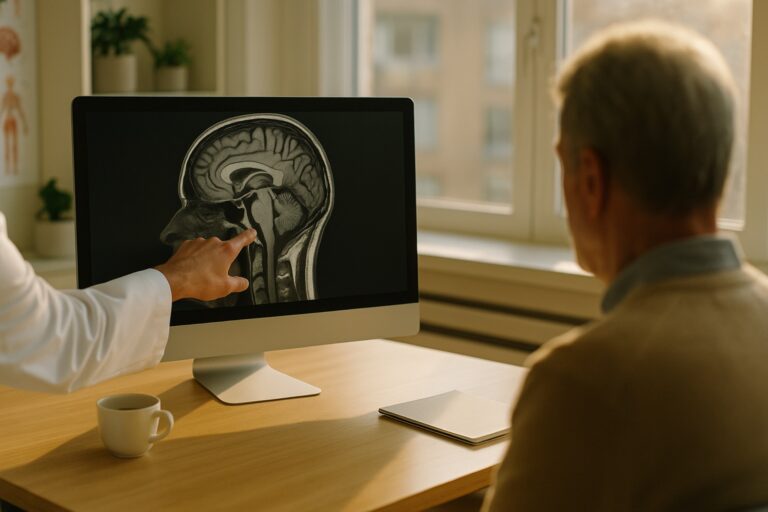
Mini-Stroke and Dementia: The Risk That Outlasts the Symptoms
A mini-stroke can pass in minutes. A study of 113,081 people found dementia was 3 times more likely than a stroke afterward. What it means, and what helps.