 0
0
 0
0
You know the moment. You’re not even hungry. Dinner is barely settled. But the snack drawer is right there, the office candy bowl is right there, the drive-thru sign is lit up on the way home — and somehow you’re reaching for it anyway. If you’ve ever wondered whether something in your brain is actually broken when this happens, scientists just found a very specific, very real answer. And it isn’t about willpower.
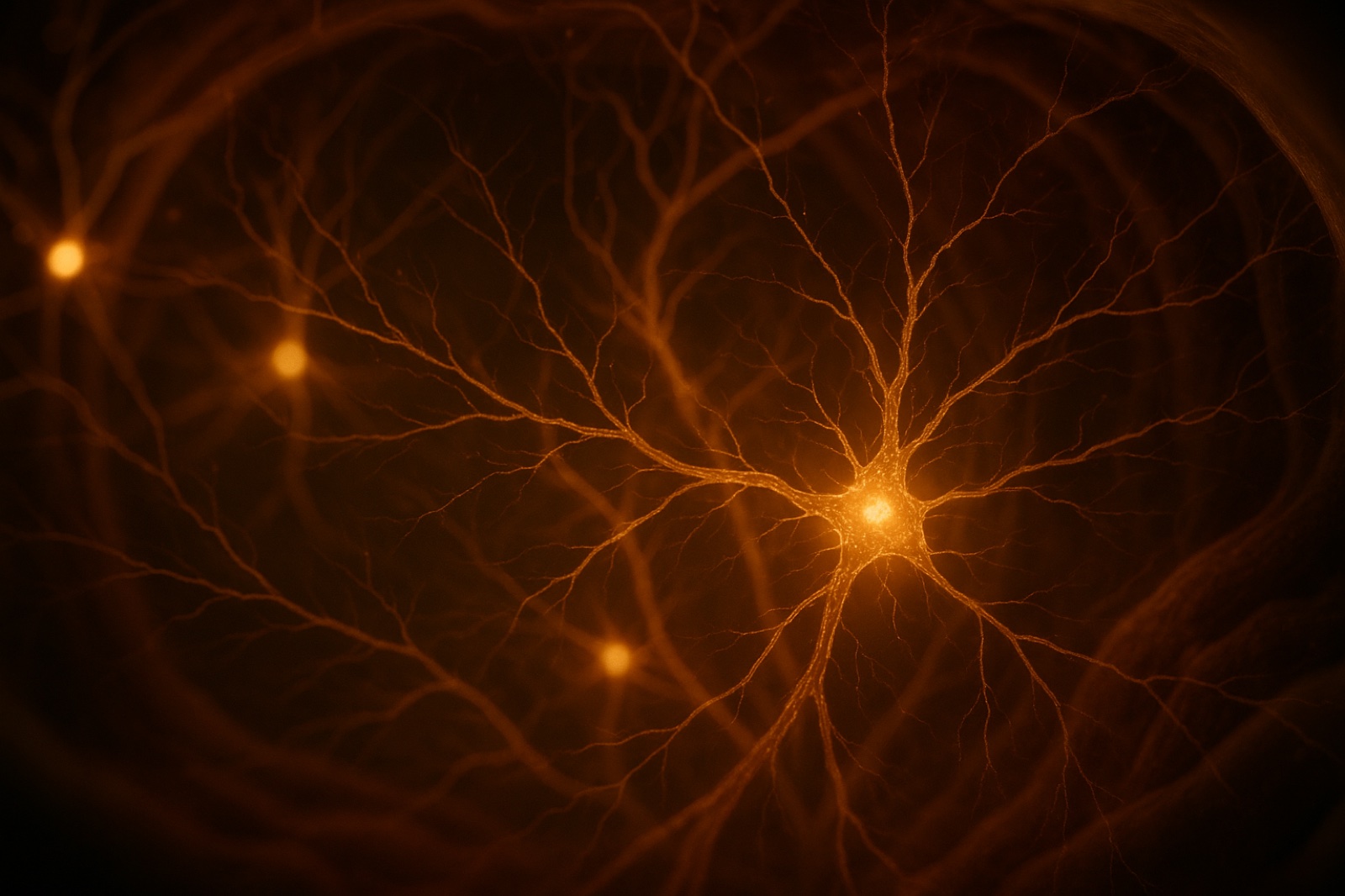
Researchers studying the brain’s appetite-control center just identified something surprising: a protein living inside the very cells whose job is to tell you “that’s enough.” It’s not imaginary. It’s not a metaphor. It’s a real, physical switch sitting inside real brain cells — and new research is starting to explain exactly why that switch keeps getting overridden.
What Scientists Actually Found
Deep in a part of the brain called the hypothalamus — think of it as your body’s control room for hunger, temperature, and basic survival needs — there’s a cluster of cells whose entire job is to watch how much you’ve eaten and flip a switch that says “stop.” Reported this week by ScienceDaily, new research zeroed in on a specific protein inside those cells that appears to be central to that stop signal, especially around high-fat foods.
Here’s the part that explains so much: the switch isn’t gone. It’s not missing. It’s getting talked over. When high-fat, calorie-dense food is always within arm’s reach — which, for most of us, it now is — the signal that’s supposed to say “enough” gets weaker and harder to hear. The biology built for scarcity is running headfirst into a world built on abundance, and the brain’s stop signal for overeating is losing that fight more often than it should.
Interestingly, the researchers also found the override doesn’t hit everyone the same way — early findings point to real differences in how strongly this plays out between men and women, suggesting the “off switch” isn’t wired identically for everybody. That’s still being worked out, but it’s already reshaping how scientists think about why some people struggle with this more than others, and why “just eat less” has never been a satisfying answer for the people actually living it.
Why “Just Have More Willpower” Was Always the Wrong Advice
For decades, overeating got filed under a character problem. Discipline. Self-control. Moral failure, even. If you couldn’t stop, the assumption was you simply weren’t trying hard enough.
This research quietly upends that. If there’s a literal molecular switch inside your brain that’s supposed to flip and say “you’re done” — and that switch is measurably getting drowned out by how much food is constantly available — then the story was never really about weakness. It was about a signal built for a world that doesn’t exist anymore: one where the next meal wasn’t always ten feet away.
That reframe matters. Blame doesn’t fix biology. But understanding where the signal actually breaks down — and that it is breaking down, not disappearing — opens the door to working with your body instead of white-knuckling against it. One thing that consistently helps: noticing the moment the pull shows up instead of trying to overpower it after the fact — the pause is where the switch actually has a chance to be heard again.
A Pattern Older Than the Microscope
Here’s what’s strange: this idea — that the body carries a built-in “enough” signal that abundance can drown out — isn’t actually new. People noticed this in themselves long before anyone had a way to look inside a brain cell. Ancient wisdom talked about the belly’s demands getting louder than they should, about a person with no check on their appetite being like a city with no walls left standing — open, unprotected, unable to hold a line. It wasn’t shame language. It was an observation, the same one neuroscience is arriving at now: the switch is real, and something bigger than raw effort was always meant to help it be heard.
That’s not a small idea. It means the goal was never to become someone who feels no pull at all. It’s learning to notice the pull, name it, and let something outside the craving — a pause, a breath, asking for help instead of gritting your teeth — do what willpower alone was never built to do on its own.
So the next time you’re standing in front of the snack drawer for the third time in an hour, it might be worth remembering: that isn’t proof something is wrong with you. It’s a very real, very physical signal trying to get through a world that’s constantly talking over it. The pull coming back isn’t the whole story — what you do in the pause is. Maybe the win isn’t silencing the craving. Maybe it’s just getting a little better at hearing the switch underneath it.
If You Want to Actually Work With This
- Notice the moment the pull shows up — name it, even just in your head (“this is the override talking, not real hunger”).
- Build in one full minute before you reach for the food. Not forever — just long enough for the signal to catch up.
- Keep high-fat, always-available snacks a few extra steps away. Distance is doing real biological work here, not just symbolic work.
- When the pause feels impossible alone, ask for help — a friend, a professional, whatever support actually works for you. Nobody out-willpowers biology by themselves. Some people find it helps to look at the whole picture — body and spirit together — rather than treating it as a food problem alone.
What Do You Think?
Does knowing there’s a real biological signal behind overeating — one that’s just getting overridden, not missing — change how you’d talk to yourself about it? Let us know in the comments.
Share This
- Turns out overeating might not be a willpower problem at all — it’s a brain signal literally getting drowned out by how much food is always around. Wild.
- Scientists found the actual “stop eating” switch in your brain. It’s not broken. It’s just outnumbered.
- This reframed something I’ve felt guilty about for years. Not weakness — just a signal that needs a little quiet to be heard.
Questions People Are Asking
What is the brain protein that controls overeating?
Researchers recently identified a protein inside brain cells in the hypothalamus — the brain’s appetite-control center — that appears central to signaling when you’ve had enough to eat, especially around high-fat food. The finding was reported by ScienceDaily and is still being studied.
Why do I keep eating even when I’m full?
The “stop eating” signal in your brain isn’t missing — new research suggests it gets overridden when high-fat, calorie-dense food is constantly available. The switch is trying to work; it’s just getting talked over by nonstop access to food.
Is overeating a willpower problem?
Not according to this research. It points to a measurable biological signal getting overridden by abundance, not a character flaw or lack of discipline. Understanding the mechanism doesn’t excuse the behavior, but it does reframe it as something to work with rather than shame away.
Do men and women respond to this brain signal differently?
Early findings suggest yes — researchers found notable differences between men and women in how strongly the override happens, though the exact reasons are still being studied.
What can actually help with overeating if it’s not just willpower?
Learning to notice the craving in the moment it shows up, rather than trying to overpower it after the fact, gives the “enough” signal more room to be heard. Building in a short pause before reaching for food, and getting support instead of relying on willpower alone, both make it more sustainable long-term.