 0
0
 0
0
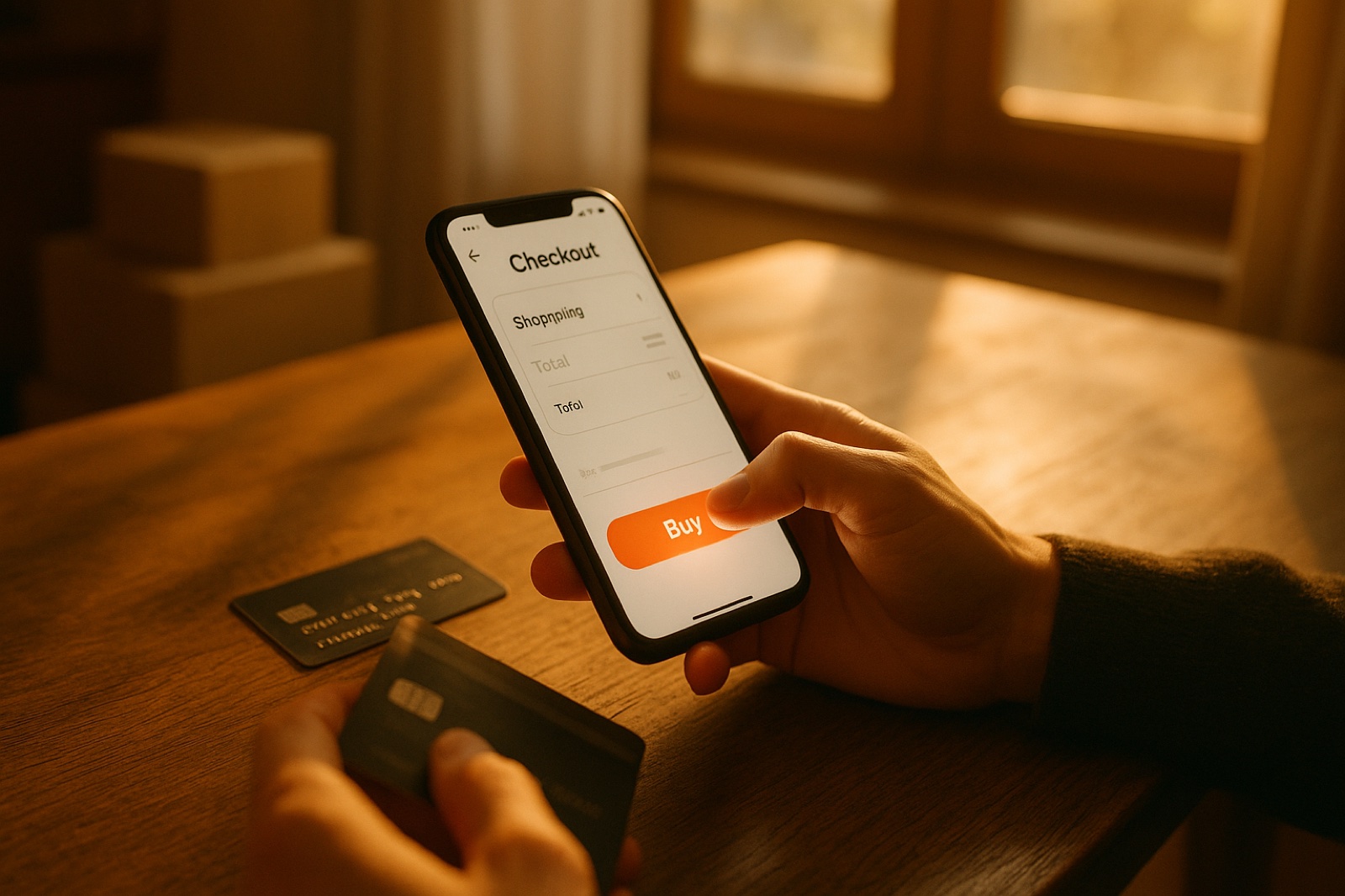
You didn’t need the candle. You know that. But it was $14, it smelled like “coastal morning,” and by the time you closed the tab it was already in a box headed your way. Nothing about your budget changed. Nothing about your life got easier. You just didn’t want to think about the news, or the rent increase, or the vague, low-grade dread that’s been sitting in your chest for weeks — and for about eleven seconds, buying something made that feeling go quiet.
There’s a name for this now: doom spending. And if you’ve noticed yourself doing it more in 2026, you’re not imagining it, and you’re not alone.
What Is Doom Spending?
Doom spending is what happens when the future feels too uncertain, too heavy, or too out of your control to plan around — so instead of saving for it, you spend around it. Not on necessities. On small, impulsive purchases that deliver an immediate hit of comfort or control: the takeout order you didn’t need, the “treat yourself” haul, the subscription you forgot to cancel because canceling it felt like admitting something.
Financial writers started using the term to describe a very specific mood among people in their 20s and 30s watching headlines about layoffs, housing prices, and AI disrupting entire career paths — and quietly concluding that saving for a future that might not look anything like the one they were promised feels less like discipline and more like a joke. If the ground might shift under you anyway, why not have the candle?
It’s not the same as being bad with money. Plenty of doom spenders track every dollar, know their exact bank balance, and still can’t stop. That’s the part that makes it interesting — this isn’t a math problem. It’s an emotional one wearing a shopping cart’s clothing, and it has a close cousin worth knowing about: money dysmorphia, where your bank balance and how “broke” you feel stop having anything to do with each other.
Why 2026 Feels Like the Peak Doom-Spending Year
Doom spending isn’t new — people have always spent to soothe stress. What’s new is the scale of what’s stacking up at once. Grocery prices that never fully came back down. Rent that outpaces raises. AI headlines that make even stable-seeming jobs feel provisional. A news cycle that refreshes every few hours with something else to absorb.
Psychologists who study financial behavior point to a specific mechanism: when the future feels unpredictable, the brain starts discounting it. If you genuinely can’t picture what your life looks like in five years — not because you’re being dramatic, but because the information you’re getting says nobody can — then saving for that unclear future stops feeling rational. Spending on something real and immediate, something you can hold today, starts to feel like the only decision that’s actually guaranteed to pay off.
That’s the trap. The purchase delivers relief in real time. The financial and emotional cost — the credit card statement, the fresh wave of guilt, the fact that the underlying anxiety never actually got addressed — shows up later, alone, usually at 1 a.m.
The Guilt Loop No One Talks About
Here’s the part that doesn’t make it into most articles about doom spending: it doesn’t actually work. Not for long. The relief is real, but it’s short. What follows it, for most people, is a second wave of the very feeling the purchase was supposed to fix — except now it’s tangled up with guilt, and guilt is exhausting in a way that plain anxiety isn’t.
So the cycle repeats. Anxious about the future, spend to feel okay right now, feel worse about money an hour later, which adds a new thing to be anxious about, which creates the next urge to spend. It’s not a character flaw. It’s a loop that makes complete sense once you see the mechanics — the problem is that almost none of the standard budgeting advice actually breaks it, because budgeting advice is built for math problems, and this isn’t one. (If the guilt part sounds familiar even outside of doom spending, that heavy feeling after a purchase you could technically afford runs on a similar wiring.)
An Old Story About the Same Exact Fear
There’s an ancient story — one of the oldest in recorded history, actually — about a group of people wandering through a desert with absolutely no idea what tomorrow held. No steady income. No pantry. No five-year plan that made any sense. And every single morning, food showed up. Just enough for that day. Not a stockpile. Not a guarantee for the whole week. One day’s portion.
Some of them tried to hoard it anyway — grabbed extra “just in case,” tucked it away out of the same fear you’d expect from anyone staring down an uncertain future. And the story goes that the hoarded portion spoiled overnight, every time. The lesson wasn’t “don’t plan.” It was something quieter: that the anxiety of not knowing what’s coming doesn’t actually get solved by grabbing more, today, than you need. It gets solved by trusting that today’s portion is enough for today — and that whatever’s providing it isn’t going to stop showing up tomorrow just because you can’t see that far ahead yet.
That’s the same fear driving doom spending, four thousand years later, just wearing a different outfit. The instinct to grab something now because the future feels unreliable is ancient. So is the quieter alternative — trusting that you’ll be met with what you need when you actually need it, one day at a time, instead of trying to buy your way into a feeling of security that no purchase has ever actually delivered.
What Actually Helps
None of this means white-knuckling your way through anxiety with an empty cart. It means noticing the trigger. Doom spending almost always follows a specific feeling — scrolling news, checking a bank balance, comparing your life to someone else’s highlight reel — not a specific need. The purchase is never really about the candle.
A few things that genuinely interrupt the loop: naming the feeling before you name the item (“I’m anxious” instead of “I need this”), building in a short pause — even ten minutes — between the urge and the checkout button, and finding a non-purchase version of the same relief, something that costs nothing and still tells your nervous system “you’re okay right now.” The goal isn’t perfect discipline. It’s catching the loop earlier, one day at a time, the same way that old desert story suggests — not solving the whole uncertain future in one sitting, just getting through today’s portion of it well. It’s worth remembering that people who’ve had far less than we do have still called a bare pantry a kind of miracle — proof that “enough” was never actually about the number.
Discussion Question
Do you think naming an anxious feeling before you buy something would actually change the decision — or does the purchase happen too fast for that kind of pause to matter? What’s worked for you, if anything, in the moment right before you hit “buy now”?
Share This
- “Doom spending” isn’t a lack of discipline. It’s your brain trying to buy certainty in a world that won’t sell it. Here’s what’s actually going on: https://bgodinspired.com/index.php/money-and-finance/what-is-doom-spending-why-cant-we-stop/
- I read the whole “doom spending” thing expecting a lecture about budgeting apps. Got a 4,000-year-old survival story instead. Did not see that coming. https://bgodinspired.com/index.php/money-and-finance/what-is-doom-spending-why-cant-we-stop/
- The relief from an impulse buy lasts about as long as the shipping notification. Here’s why we keep doing it anyway — and what actually breaks the cycle. https://bgodinspired.com/index.php/money-and-finance/what-is-doom-spending-why-cant-we-stop/
Questions People Are Asking
What is doom spending?
Doom spending is impulsive, comfort-driven spending that happens when the future feels too uncertain or unstable to plan or save for. Instead of saving toward long-term goals, people spend on small, immediate purchases that offer quick relief from anxiety about things like job security, housing costs, or the broader economy.
Is doom spending the same thing as being bad with money?
No. Many people who doom spend are otherwise financially literate and track their spending closely. Doom spending is driven by an emotional response to uncertainty, not a lack of financial knowledge or planning skill.
Why is doom spending becoming more common in 2026?
Rising costs, unpredictable job markets affected by AI disruption, and a constant news cycle of unsettling headlines have made the future feel harder to plan for. Psychologically, when the future feels unpredictable, immediate rewards like a purchase can start to feel more “real” and worthwhile than long-term saving.
How do you stop doom spending?
Start by identifying the feeling that triggers the urge to buy, rather than focusing on the item itself. Building a short pause between the urge and the purchase, and finding non-purchase ways to soothe the same anxiety, can interrupt the cycle over time.
What does an old desert story have to do with modern spending habits?
An ancient story about people receiving just enough food for one day at a time — with hoarded extra spoiling overnight — speaks to the same root fear behind doom spending: the anxiety of an uncertain future, and the temptation to grab more than you need right now to feel secure. The story points toward trusting daily provision instead of trying to control an unknowable future all at once.