 0
0
 0
0
Palantir CEO Warns U.S. Against Adopting Europe’s AI Regulations Amid Open-Weight Model Debate
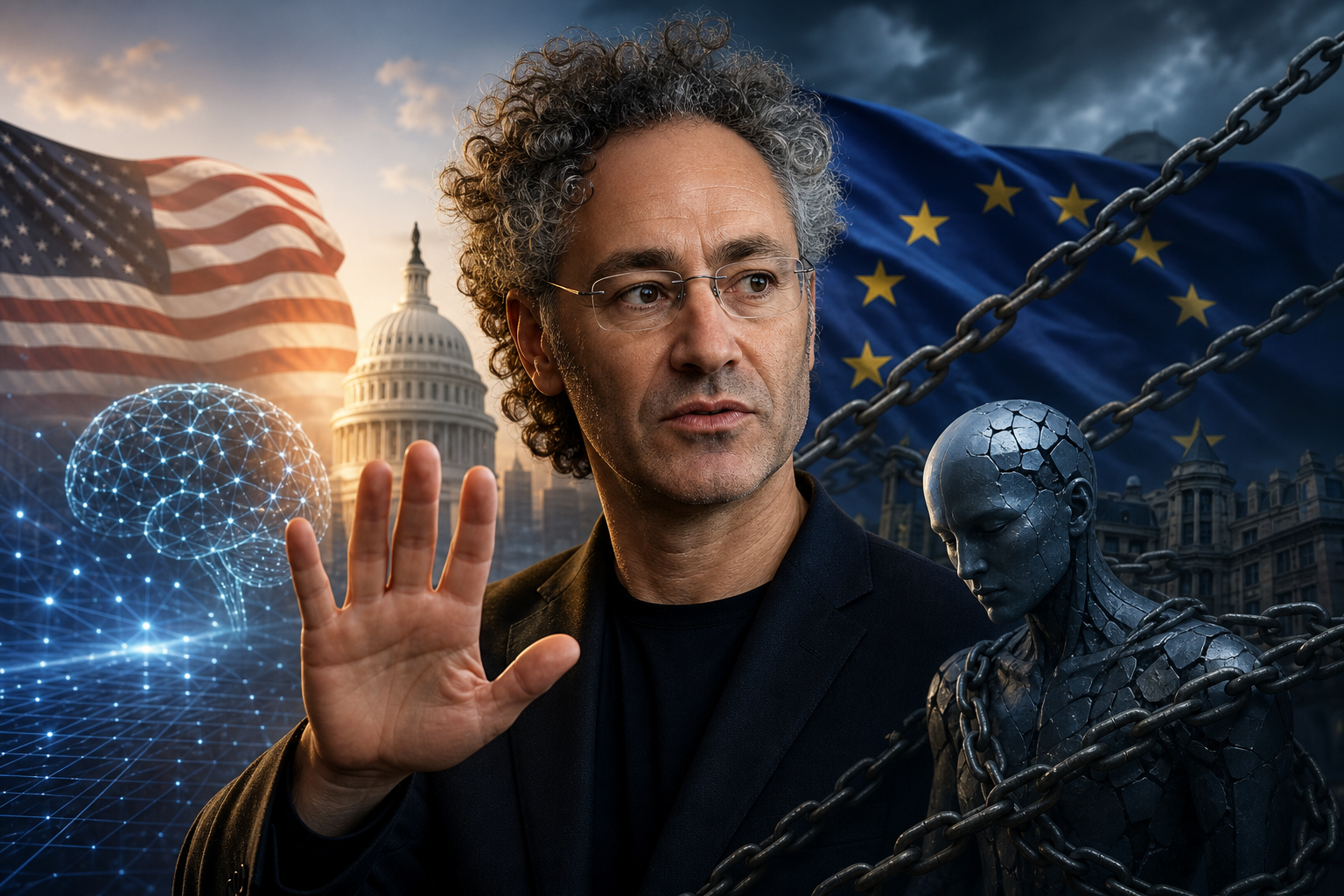
In a recent appearance on FOX Business’ "The Claman Countdown," Palantir Technologies CEO Alex Karp delivered a bold warning to U.S. policymakers regarding the adoption of strict European regulations on artificial intelligence (AI). Karp argued that the U.S. should learn from Europe’s regulatory missteps as it navigates the complexities of advancing AI technology.
Karp contended that Europe’s restrictive framework has stifled innovation, stating, "We have a template for what doesn’t work. It’s called Europe… I’ve watched Europe regulate itself out of business." His remarks come amid concerns voiced by U.S. Treasury Secretary Scott Bessent, who expressed wariness over the rise of Chinese-made open AI models leveraging technology developed in American laboratories.
The focus of the discussion was on the importance of open-weight AI models, which Karp claims are vital for his company’s customers. He emphasized that clients are increasingly frustrated with closed models, feeling they pay for AI capabilities without receiving sufficient business value in return. "What slows down AI adoption is people questioning whether these products deliver enough value,” he noted.
Karp’s caution against both over-regulation and under-regulation mirrors a biblical principle of balance and wisdom found in Proverbs 4:7: "The beginning of wisdom is this: Get wisdom. Though it cost all you have, get understanding." This verse underscores the necessity of thoughtful evaluation in decision-making processes, a concept that is particularly relevant in the rapidly evolving field of AI.
As the Trump administration grapples with the future of AI regulations, Karp highlighted that the biggest hurdle for businesses is not competition from abroad but rather the internal doubt regarding the value derived from AI investments. “They want to ensure that they can use that model in a way that is valuable,” he explained.
Karp argued for a middle path in which the U.S. can innovate safely, noting, "We are going to end up having to regulate AI, there’s no doubt… but the question is: Who regulates it, and is it regulated in a way that allows us to win?" This sentiment echoes the biblical call to stewardship, reminding us that while regulation is necessary, it must also foster an environment conducive to growth and responsibility.
As discussions on AI regulation unfold, Karp’s insights offer food for thought. In these times of uncertainty and rapid technological advancement, it’s more important than ever to approach innovation with integrity and wisdom.
Reflecting on these principles allows us not only to navigate the complexities of AI but also to consider the broader spiritual lessons at play. Just as Proverbs encourages us to seek understanding, we too are called to pursue wisdom in all areas of life, ensuring our actions promote the common good and lead to flourishing communities.
Thus, as we engage with the ongoing dialogue surrounding AI, let us maintain a perspective rooted in the understanding that responsible innovation can coexist with values that contribute to the welfare of society. Together, let’s weigh our decisions carefully, aiming for a future where technology serves humanity, reflective of a higher calling.
If you want to want to know more about this topic, check out BGodInspired.com or check out specific products/content we’ve created to answer the question at BGodInspired Solutions
If positive Biblical wisdom matters to you, I’d love your support of the mission
Q&A about
Why is Palantir’s CEO warning the US against following Europe’s AI regulations?
Palantir’s CEO Alex Karp believes that Europe’s regulations might stifle innovation, similar to the way laws can hinder good works if misapplied. In Galatians 5:13, we learn that we are called to serve one another in love, which can be interpreted as allowing creativity and exploration to flourish rather than being tightly bound by rules.
How should Christians approach technology and AI in light of these warnings?
Christians are called to be wise stewards of the technologies at our disposal. In Proverbs 2:6, it says that the Lord gives wisdom, and from His mouth come knowledge and understanding. This means we should engage with AI thoughtfully, ensuring it aligns with our values of serving and uplifting others.
Does this warning reflect a biblical view of freedom and responsibility?
Yes, the concern reflects the balance of freedom and accountability that is emphasized in Scripture. In 1 Peter 2:16, we are called to live as free people but also as servants of God. This encourages us to embrace freedom in innovation while recognizing our responsibility to use it wisely and for the common good.
What can we learn from this discussion about the role of regulations in our lives?
Regulations can serve a purpose, but if they become oppressive, they may counteract the grace we’ve received through Christ. As Matthew 11:30 reminds us, His yoke is easy, and His burden is light; this indicates that God desires us to operate in freedom and joy, not under heavy constraints.