 0
0
 0
0
Embracing Vulnerability in 2017): A Journey Through Failure and Grace
Remember that moment in the show 2017) where [insert specific character] sits quietly after yet another blunder? There’s that brief, unspoken understanding between [insert characters] — a shared acknowledgment of failure and unvoiced fears. It’s not the explosive, dramatic scene that usually grabs attention, but it speaks volumes to those who’ve truly been there.
2017) beautifully captures the essence of human vulnerability. The characters aren’t just heroes of their own stories; they often stumble, struggling with self-doubt and the opinions of others. This is not a show about flawless victories; it’s about the messiness of life and how, sometimes, acknowledging our shortcomings is the bravest thing we can do.
Consider how [specific character]’s repeatedly flawed attempts at [specific goal] reveal a deeper truth about resilience. We cringe with them every time, but we also root for them. Their journey reminds us that failure doesn’t define our worth; it merely sets the stage for growth. This portrayal of vulnerability isn’t just relatable — it challenges us to be honest about our own failures.
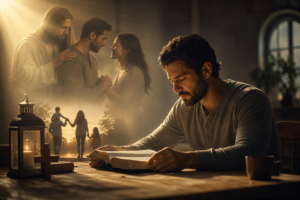
Here’s where it gets interesting. That same raw honesty and acknowledgment of failure reminded me of Peter’s story in the Bible. Remember when Peter disowned Jesus three times? It’s easy to focus on the denial, but there’s a beauty in what follows. Peter’s failure was profound, but it was that heartbreak which led to transformation and redemption. Just like the moments in 2017), Peter’s vulnerability became the foundation for change.
In Matthew 26:75, Peter’s tears aren’t just about guilt; they are about an understanding of one’s limitations and the grace that follows. This is mirrored in the show when [specific character] finally embraces their own limitations and, instead of giving up, seeks understanding and growth. It’s a reminder that from our biggest failures, grace emerges — not to erase the past, but to reshape our future.
2017) doesn’t shy away from depicting this messy process. The characters are not just enduring failure; they are leaning into it. When watched through this lens, the show invites us to consider how we handle our own failings. Can we, like these characters, find hope not despite our vulnerability but because of it?
Thinking about both Peter’s story and our favorite moments from the show, we’re invited to a fresh perspective. Vulnerability and grace aren’t just narrative elements; they’re transformative forces. This combination is not about perfection but about progress, not about being unblemished but about being authentic.
So here’s my question: How does watching 2017)’s portrayal of vulnerability and failure change the way you think about your own journey and what it means to grow through grace? Let me know in the comments.
Social Share Post
Did you spot the deeper truth about failure in 2017)? It’s not just about stumbling; it’s about transformation and grace. Let’s talk more about it. [Article URL] #2017 #Faith #GraceAndGrowth
If positive Biblical wisdom matters to you, I’d love your support of the mission
Q&A about 2017)
What does the Bible say about dealing with anxiety like many felt in 2017?
In Matthew 6:34, Jesus teaches us not to worry about tomorrow, as each day has enough trouble of its own. This encourages us to focus on trusting God daily, rather than being overwhelmed by future fears. Practically, this means embracing prayer and gratitude to combat anxiety (Philippians 4:6-7).
How can a Christian find hope in years like 2017 when the world seems troubled?
Romans 15:13 reminds us that God is the source of our hope, filling us with joy and peace as we trust in Him. Even amidst global challenges, Christians can find hope by relying on the Holy Spirit and focusing on eternal promises rather than temporary trials.
In 2017, how should Christians approach changes and uncertainties in life?
Jesus encourages us in Matthew 7:24-25 to build our lives on His teachings, providing a stable foundation when storms come. By anchoring ourselves in Christ, we can navigate life’s uncertainties with wisdom and resilience, knowing that God’s love never changes.
How should Christians react to political unrest like what happened in 2017?
Romans 13:1 advises us to respect governing authorities, while also praying for our leaders as urged in 1 Timothy 2:1-2. Our faith calls us to be peacemakers and to reflect Christ-like love, ensuring our actions and words bring healing and unity amidst division.