 0
0
 0
0
Unexpected Hope: The Maggots Inside Us and Restoration
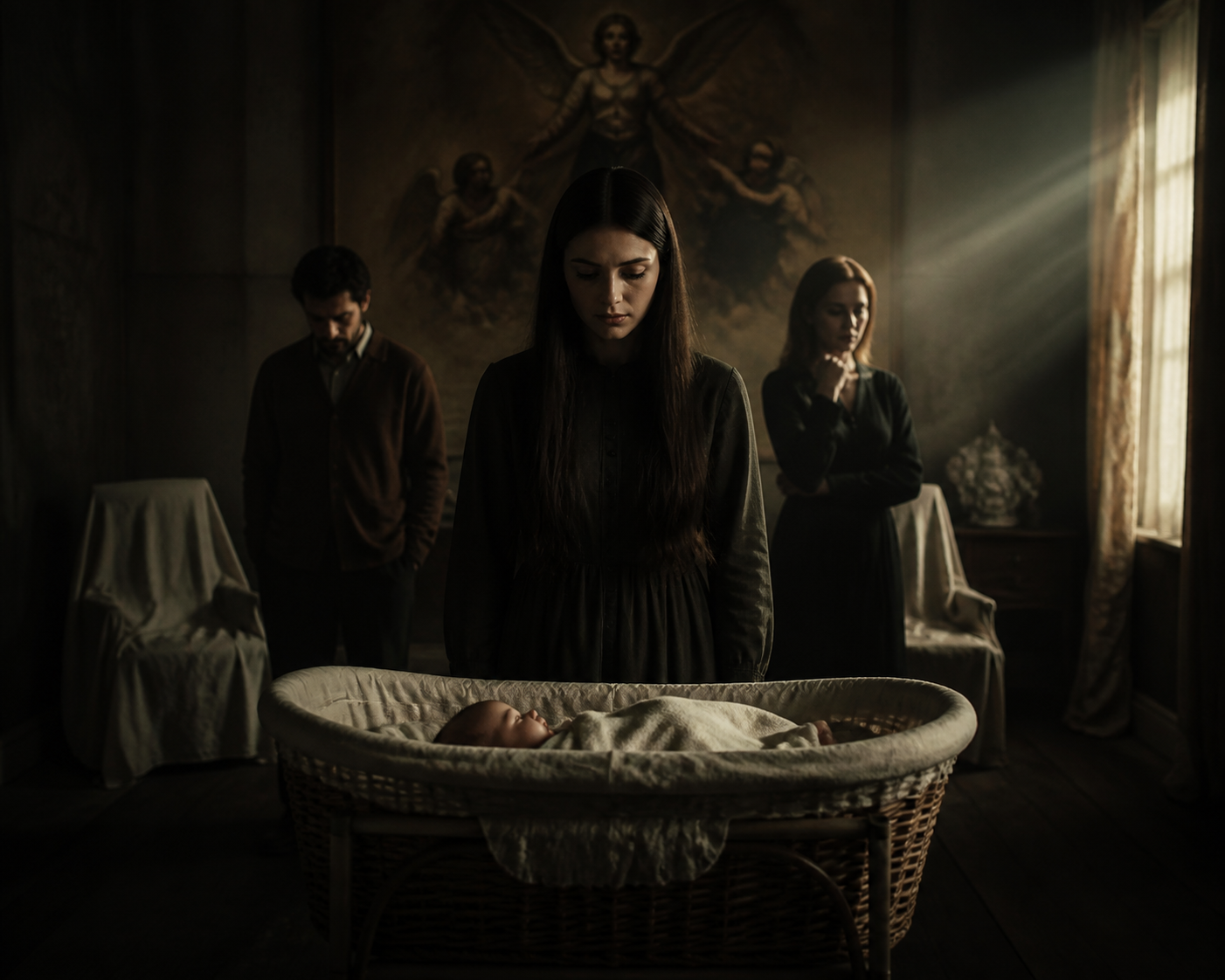
In Season 2, Episode 5 of Servant, there’s a scene that sticks with me like a jagged piece of glass. Dorothy and Sean, both raw from trauma, are paralyzed as their once cozy home becomes infested with maggots. Sean, desperately trying to keep everything intact, is forced to face the decay that’s hidden beneath the surface. You feel the weight of their unspoken failures, and the room intoxicates with more than just the stench of rot. It’s as if their very souls were laid bare—cracked, fragile, yet still yearning for hope.
The moment captivated me, not just because of its visceral horror, but because of what it said about our human condition. How often do we cover up the maggots of our own lives? Sean’s silent desperation feels like a mirror, revealing our tendency to shove our decay beneath pretty façades. Here, the home’s rot symbolizes deeper brokenness, the kind we’re all too familiar with yet skilled at ignoring. And yet, isn’t there something hauntingly hopeful in acknowledging decay? Recognition is the first step to healing, to the possibility that something new might emerge from what’s dead.
In the Book of Ezekiel, we find the prophet staring at a valley filled with dry bones—nothing but remnants of past life. God’s question, “Can these bones live?” echoes Sean’s battle with the decay he faces. Unexpectedly, the focus here is not on the bones but on the potential for restoration. Just as God breathes life into the bones, pulling them from desolation to vitality, the scene in Servant reveals a hidden truth: decay is not the end. The rot might expose our darkest secrets, but it also unveils a chance for new beginnings.
This isn’t a moralistic lesson packaged with a bow; it’s an invitation to see brokenness differently. Servant pushes us toward the discomfort of facing our hidden maggots, those places we’ve neglected for too long. And isn’t that what Ezekiel’s story does too? It assures us that in this revelation, in the seeing, there’s a divine whisper promising transformation.
As I think about Sean, I can’t help but wonder how many of us sit in rooms filled with hidden decay, hoping no one notices. Yet, there is profound vulnerability in noticing—and allowing others to see—the decay. That vulnerability fosters connection and growth, making way for God’s renewing breath. Maybe that’s the unexpected insight: The spaces we most fear exposing are the very places where God’s restorative power waits to work.
So, here’s the real question: How often do we wish away our “maggot moments,” when recognizing them could be the first step toward new life? Let me know in the comments.
Social Share Post:
That moment in Servant with Sean and the maggots got me thinking. What if our decay is just the beginning of renewal, much like the dry bones in Ezekiel? 🍂 Read more: [URL]
If positive Biblical wisdom matters to you, I’d love your support of the mission
Q&A about Servant (2019-2023)
Why do people watch shows like Servant even if they’re unsettling?
People often watch unsettling shows because they explore complex emotions and moral questions. From a biblical perspective, we are reminded in Philippians 4:8 to focus on whatever is true, noble, and lovely. Engaging with unsettling content can be balanced by ensuring it doesn’t lead us away from these values.
What does the Bible say about dealing with fear from shows like Servant?
The Bible encourages us to face fear with faith. In 2 Timothy 1:7, we are told that God has given us a spirit not of fear, but of power, love, and self-control. Watching fearful content should drive us to seek God’s peace, replacing fear with prayer and trust in Him.
Is it wrong for Christians to watch horror shows like Servant?
While the Bible doesn’t specifically address modern media choices, it guides us to be discerning. 1 Corinthians 10:31 tells us to do everything for the glory of God, reminding us to evaluate if what we watch aligns with our faith and edifies our spirit.
How can Christians find hope while watching a dark show like Servant?
Even in darkness, we can find hope by focusing on God’s promises of redemption and love. Romans 8:28 assures us that God works all things for the good of those who love Him. Watching dark themes can remind us of the light we carry in Christ and our call to reflect His hope in the world.