 0
0
 0
0
Extreme Heat Threatens Hajj Pilgrimage as Climate Crisis Escalates
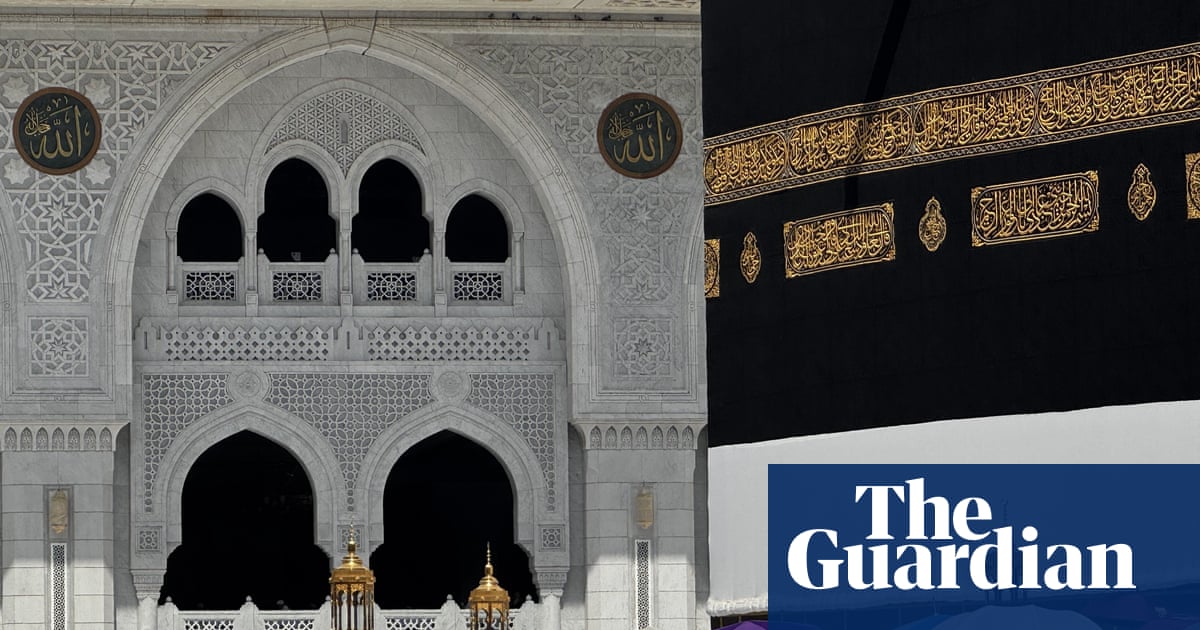
In a startling revelation, recent analysis shows that global heating has “fundamentally altered” the climate of Mecca, exposing millions of hajj pilgrims to extreme heat, even outside of traditional summer months. Scorching temperatures reaching 40°C (104°F) have become regular occurrences in May, a stark departure from historical patterns where such heat was confined to the summer season.
Researchers warn that without a swift reduction in fossil fuel reliance, the hajj pilgrimage, an annual Islamic rite undertaken by millions, may be plagued by dangerous heat throughout the year by the century’s end. This comes as Saudi Arabia, the world’s second-largest oil producer, remains a significant player in fossil fuel production, posing challenges to global climate action.
As Muslims globally celebrate Eid al-Adha, many are completing their rituals in Mecca, amidst rising climate concerns. The hajj pilgrimage, which requires extensive outdoor walking over five days, faced tragic consequences last year when over 1,300 pilgrims succumbed to extreme heat and humidity during the June session.
Historically, May temperatures rarely peaked at 40°C; however, climate change has altered this norm, with current analysis indicating that such extreme weather will occur once every two to three years by the end of this century. The average May temperature has surged by 3.5°C due to human activities, prompting scientists to liken the present May hajj to the high-risk heat of summer.
Saudi authorities have initiated various heat action plans, including shaded pathways and misting systems, to support pilgrims. While these measures have shown some success in mitigating heat-related illnesses, experts emphasize that a reactive approach is insufficient. Prof. Friederike Otto from Imperial College London posits that if reliance on fossil fuels continues, millions of pilgrims may face unmanageable conditions during their sacred journeys.
In Matthew 25:35, Jesus teaches, “For I was hungry and you gave me something to eat, I was thirsty and you gave me something to drink…” These words resonate profoundly as we reflect on the responsibility to care for one another, especially in challenging times. The health and safety of pilgrims—who travel great distances to fulfill their spiritual obligations—mirror this call to stewardship and compassion.
Dr. Clair Barnes from Imperial College further emphasizes that the shrinking window of safe pilgrimage times signals a larger humanitarian challenge, especially for those seeking spiritual fulfillment amidst rising temperatures. The implications of climate change extend beyond logistics; they touch deeply on the values of community care and mutual support.
As we consider this climate crisis and its broader implications, it serves as an urgent reminder of our collective responsibility to nurture not just our environment but also our fellow travelers in faith. How can we embody compassion and stewardship in our daily lives? Each act of kindness, each step toward sustainability, contributes to a world where spiritual journeys can continue unimpeded, nurturing our shared humanity.
Let us engage in this pivotal conversation about the future of our planet and the sacred journeys we undertake, striving for a climate that reflects love, care, and respect for all.
If you want to want to know more about this topic, check out BGodInspired.com or check out specific products/content we’ve created to answer the question at BGodInspired Solutions
If positive Biblical wisdom matters to you, I’d love your support of the mission
Q&A about
Is global heating affecting the safety of pilgrims during hajj?
Global heating poses challenges for hajj, with rising temperatures making it riskier for pilgrims. In Matthew 25:40, Jesus teaches that when we care for the least among us, we are serving Him. This perspective calls for us to advocate for the safety and well-being of all, especially in extreme conditions.
How can Christians respond to the dangers posed by climate change during religious events?
Christians are called to be stewards of creation, which includes showing concern for how climate change impacts religious practices like hajj. Philippians 2:4 reminds us to look to the interests of others, prompting us to support initiatives that make such pilgrimages safer and more sustainable.
What does the Bible say about caring for the vulnerable during challenging times like climate change?
The Bible emphasizes the importance of caring for vulnerable populations, especially in tough situations. In Luke 10:33-34, the Good Samaritan shows compassion and aids someone in need, urging us to act similarly by supporting those affected by climate crises, including pilgrims.
How can faith motivate action against climate change?
Faith can drive us to take action against climate change as we recognize it as an act of love for our neighbors and God’s creation. In James 2:14-17, we’re reminded that faith without works is dead; thus, our prayers must inspire tangible efforts to address climate challenges impacting events like hajj.