 0
0
 0
0
Bumblebee Bat Faces Uncertain Future: A Call for Conservation and Care
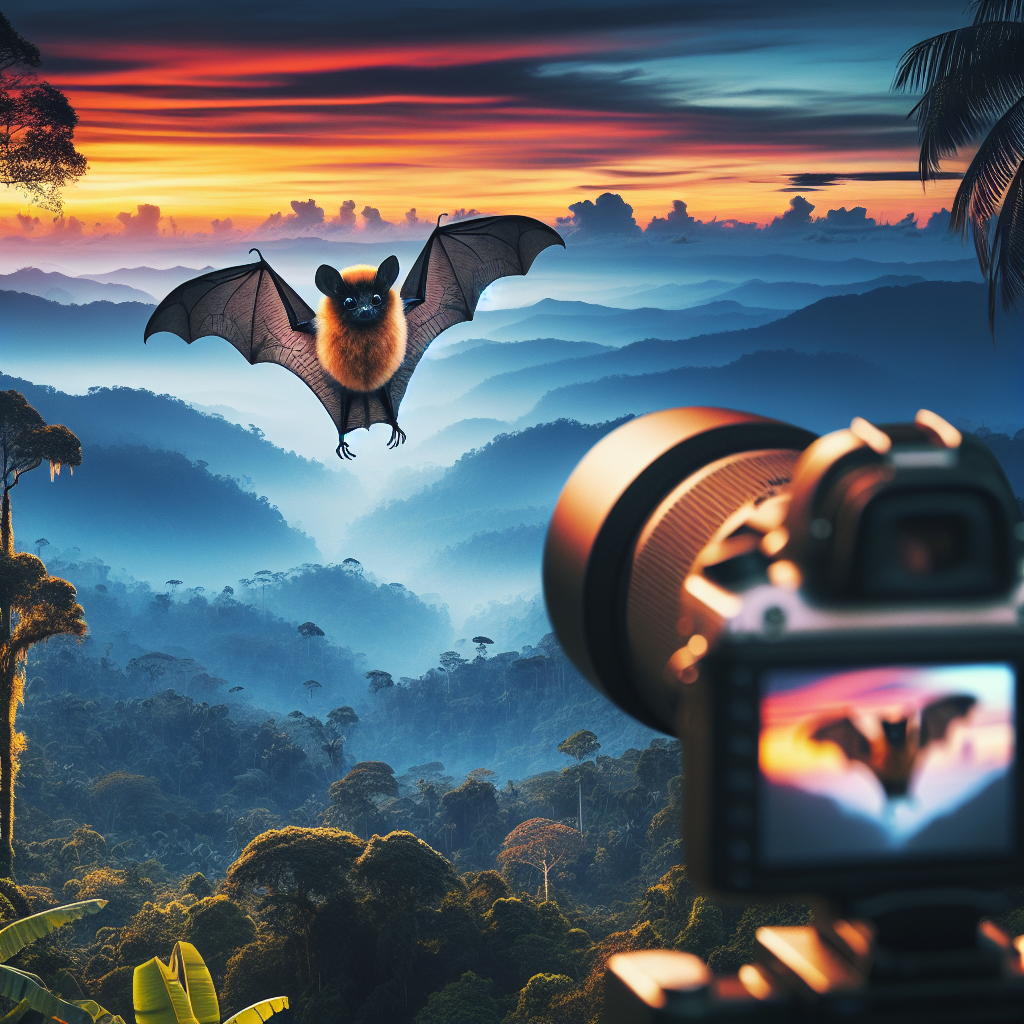
The bumblebee bat, known scientifically as Craseonycteris thonglongyai, holds the title of the smallest bat species—and indeed the smallest mammal by body size—in the world. Measuring just 3 centimeters (1.2 inches) long and weighing only about 2 grams, this delicate creature is often described as a “teabag-sized treasure.” While its size fascinates, concerns about its survival loom larger, with many experts warning that this remarkable species is edging closer to extinction.
The Fragile Existence of the Bumblebee Bat
Native to the limestone caves of western Thailand and southeast Myanmar, bumblebee bats possess distinctive pig-like noses and utilize echolocation to navigate their environments in search of flying insects. Despite living in a region that boasts over 400 bat species, the bumblebee bat is unique; it represents the sole survivor of the ancient Craseonycteridae family, having diverged from other bat lineages approximately 33 million years ago.
However, the outlook for this fragile species is mixed, evoking both concern and hope.
Challenges to Survival
Recent studies have revealed troubling factors threatening the bumblebee bat populations in Thailand and Myanmar. These populations are small and genetically isolated, limiting their ability to interbreed. This fragmentation poses a heightened risk of inbreeding, which can reduce genetic diversity and increase vulnerability to diseases and environmental changes.
Moreover, human encroachment has exacerbated the situation. Researchers have found evidence that certain habitats are affected by pollution from local factories and disturbances from tourists and individuals seeking solace in these caves. These pressures further amplify the threat to the bats’ precarious existence.
Interestingly, the International Union for Conservation of Nature (IUCN) has recently upgraded the bumblebee bat’s status from “endangered” to “near-threatened.” While this suggests some optimism, researchers caution that the overall population is still believed to be declining. A 2007 survey estimated around 3,800 individuals globally, but with studies predominantly focused on Thailand, the status of the bats in Myanmar remains unclear, leaving the true picture uncertain.
A Call for Care and Stewardship
The plight of the bumblebee bat serves as a poignant reflection of Christian principles about stewardship and care for creation. Just as Jesus taught the importance of the sparrow—noting that not one is forgotten by God—so too should we extend our regard to all creatures. In Matthew 10:31, it is written, “So don’t be afraid; you are worth more than many sparrows.” This reminds us of the inherent value of all living beings, urging us to nurture and protect the delicate balance of our ecosystems.
In light of this, the story of the bumblebee bat prompts us to consider our responsibilities towards the environment. Every small action, whether through supporting conservation efforts or advocating for respect and space for wildlife, plays a part in preserving these unique and vulnerable species.
Encouragement for Reflection
As we ponder the uncertain future of the bumblebee bat, let us remember the broader spiritual lesson at play here. Just as each creature adds to the richness of our world, so do our actions contribute to the tapestry of life. Each of us has the capacity to foster care and compassion, not only for our fellow humans but for all of creation. When we extend that compassion to the smallest of creatures, we embrace a holistic vision of stewardship that reflects the love and concern taught by Christ.
Through understanding and action, there remains hope for the survival of the bumblebee bat. Let this story not only encourage a call for conservation but also inspire us to reflect deeper on our role as caretakers of the Earth.
Explore and dig up answers yourself with our BGodInspired App. Be careful – each interaction is like a new treasure hunt… you can get lost for hours 🙂