 0
0
 0
0
There is a specific kind of exhaustion that comes from living in your own rearview mirror. You know the feeling. It is the quiet, heavy ritual of waking up and immediately mentally returning to the exact place where things fell apart. Maybe it was a long-term relationship that collapsed, a career path that hit a sudden and painful dead end, or a version of your life you just couldn’t sustain anymore. We all have these emotional collision sites. And for some reason, long after the dust has settled and the damage is done, we keep going back to visit them.
We tell ourselves we are just looking for closure. We think if we can just re-examine the final conversations, analyze the missteps, or stare long enough at the space where that person or that dream used to be, we will finally understand. We turn into detectives of our own grief, endlessly sifting through the wreckage of what went wrong. But there is a trap hidden in this habit. By constantly returning to the site of an ending, we are secretly hoping to find life there. We are looking for our future in a place that only holds our history, waiting for a dead end to miraculously sprout a new beginning.
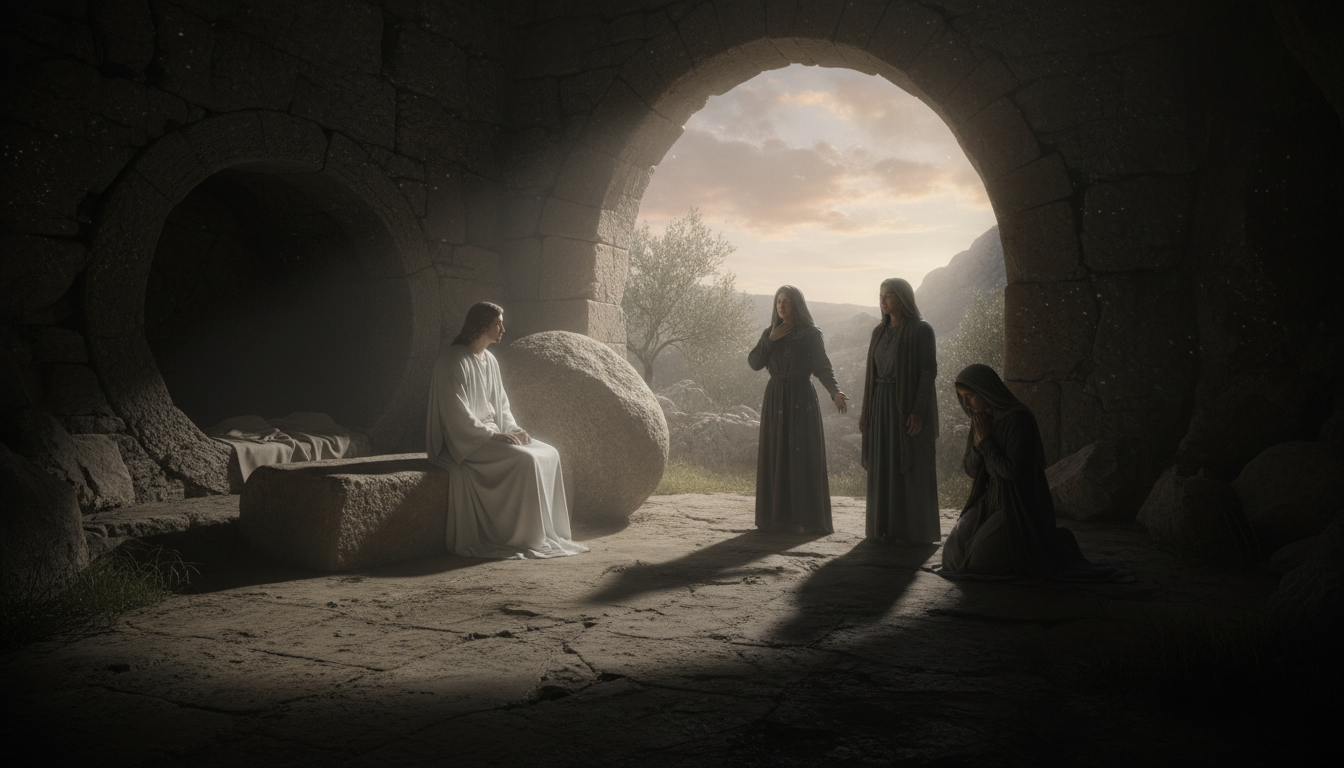
The turning point does not come from finally figuring out the exact anatomy of your failure. It comes from realizing there is nothing left to find there. A friend once put it this way: "Stop expecting to find your future in the exact place your past ended. Whatever you are looking for has already moved on, and you need to do the same." He told me he first encountered the idea in Mark 16:6—but the concept doesn’t require a religious framework to be true. It’s just quietly profound wisdom that happens to have ancient roots. The hardest, truest lesson of moving forward is accepting that the thing you are searching for—peace, purpose, the next beautiful version of your life—cannot be found in the graveyard of what didn’t work out. It is already ahead of you, waiting for you to catch up.
How do we actually do this? How do we stop haunting our own history and start inhabiting our present? It requires a deliberate, sometimes uncomfortable shift in how we spend our emotional energy.
Acknowledge that the ending is permanent and let the site remain empty. The urge to check up on an ex’s social media, to obsess over a former employer’s success, or to repeatedly replay your biggest regret is a refusal to accept the finality of the ending. You have to actively decide to stop visiting the memorial site. When the impulse strikes to look back, remind yourself out loud that the chapter is closed. There is no hidden information left to be found by digging up the same dirt. Acceptance isn’t about being happy the ending happened; it is simply acknowledging that the space you keep returning to is empty, and it is time to leave it alone.
Release the pressure of needing a perfect explanation. One of the main reasons we get stuck in the past is the myth of closure. We think we need an apology, a deep philosophical understanding of why it happened, or a perfectly tied bow on the situation before we can move on. But true closure is rarely something you receive from someone else, and you cannot reverse-engineer it from a failure. Closure is a decision you make. It is the quiet, internal choice to say that you have learned enough from the pain and you no longer need all the answers to take the next step. You do not need the story to make perfect sense to start writing the next chapter.
Redirect your focus toward where the momentum is actually flowing. When you spend all your time staring at what you have lost, you become entirely blind to what you still have. Your life hasn’t stopped; your attention has just been trapped in a freeze-frame. Start looking for the small, quiet signs of movement in your life right now. Maybe it is a new connection, a tiny spark of interest in a new hobby, or simply the steady rhythm of your daily routine. Pour your energy into the things that are asking for your attention today, rather than the things that stopped asking for it yesterday. Energy flows where attention goes, and you need to aim yours squarely at the present moment.
Force your feet to walk into unfamiliar territory. When you leave the familiarity of a painful past, the present can feel terrifyingly blank. That blankness is actually freedom, but it often disguises itself as anxiety. You have to break the physical and mental loops that keep you tied to the old narrative. Change your routine. Drive a different way to work. Say yes to an invitation you would normally decline. By forcing yourself to engage with new environments and new inputs, you signal to your brain that you are no longer just surviving a past event—you are actively participating in a new reality. Action always precedes feeling; you have to step forward before you will ever feel ready to.
You have survived the ending, but you are not meant to stay there. The past is a place of reference, not a place of residence. What would happen if, today, you finally stopped looking for answers in the empty spaces of yesterday, and turned your eyes toward the life that is actively waiting for you to arrive?
What is one thing you’ve been holding onto from the past, and what would it practically look like for you to officially leave it behind this week?
If positive Biblical wisdom matters to you, I’d love your support of the mission