 0
0
 0
0
New Research Challenges Long-Held Beliefs About Neanderthals
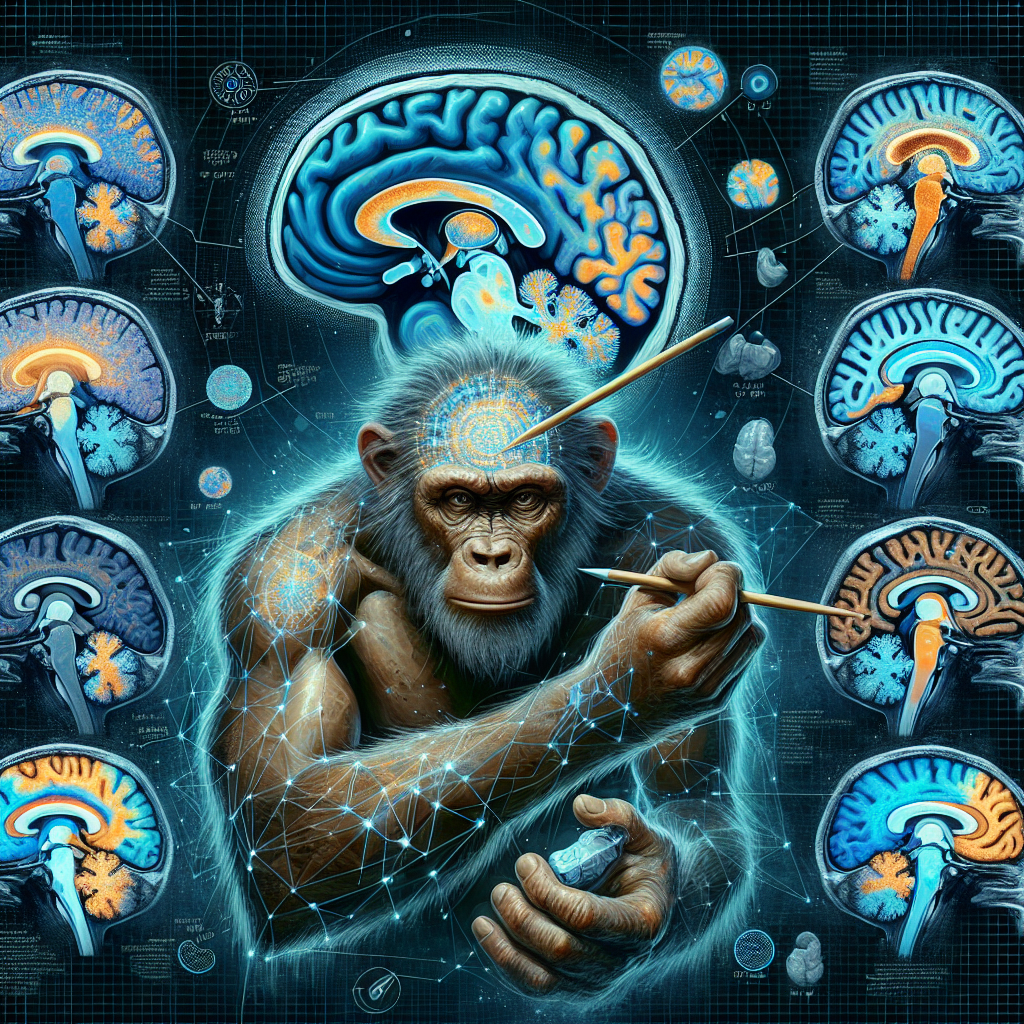
In a groundbreaking study, an international team of anthropologists has uncovered evidence that may overturn long-standing perceptions of Neanderthals as primitive and cognitively deficient. Their research indicates that brain volume differences between Neanderthals and modern humans are minuscule, raising questions about the assumptions made since the discovery of the first Neanderthal skull in the mid-19th century.
This first cranium, analyzed by German anatomist Hermann Schaaffhausen in 1857, was perceived as belonging to a "low stage of development." Over a century later, it became a common belief that superior cognitive abilities allowed modern humans to outlast their Neanderthal cousins. Nevertheless, the current study challenges this narrative, suggesting that regional brain volume differences among modern human populations are far greater than those distinguishing Neanderthals from us.
The implications of this study resonate deeply with the biblical principle of valuing each individual. In Genesis 1:27, it is stated, “So God created mankind in his own image, in the image of God he created them; male and female he created them.” This verse reminds us that human dignity and worth are inherent, irrespective of external differences.
As the researchers point out, if we continue to view Neanderthals through the narrow lens of cognitive inferiority, we may ignore the rich tapestry of human ancestry that connects us all. Archaeological evidence suggests that Neanderthals engaged in complex behaviors: they utilized tools, created art, and may have even practiced some form of proto-medicine. For instance, they have been linked to the earliest uses of fire and potentially even the creation of abstract art, practices that many once thought were solely the domain of modern humans.
Transitioning from outdated stereotypes can be challenging, especially when societal narratives are deeply ingrained. Yet, it’s imperative that we embrace the broader truth of our shared heritage. Our understanding of Neanderthals now suggests that they were not merely brutish, but complex beings, capable of thought and emotion, much like ourselves.
These revelations align with a contemporary understanding of the interconnectedness of humanity. In the Bible, Jesus teaches us to love our neighbors and value every individual, offering a clear reflection of our shared identity as part of God’s creation. Matthew 22:39, “Love your neighbor as yourself,” urges us to celebrate diversity rather than diminish it.
As we contemplate these insights, we are invited to reflect on the prejudices we may harbor, whether conscious or unconscious. The academic community is beginning to realize that assumptions about intelligence based solely on physical attributes often falter in the face of evidence.
This research serves as an encouraging reminder that we should keep our minds and hearts open to understanding the value in every person, even those from the distant past. If we are all made in the image of God—a truth shared across the ages—then every individual encountered in history, no matter how different they may seem, is deserving of respect and dignity.
In conclusion, let us embrace this broader view of our history, finding unity in our shared origins. As we reflect on the past, we are reminded that every discovery about our ancestry encourages us to appreciate the diverse expressions of life that God has created. Ultimately, the lesson here is not just about science but about love, acceptance, and recognizing the divine imprint in every one of us.
If you want to want to know more about this topic, check out BGodInspired.com or check out specific products/content we’ve created to answer the question at BGodInspired Solutions