 0
0
 0
0
Depression Breakthrough: UCSF Scientists Discover How to Make Stressed Brains Happy Again
San Francisco, CA — In a remarkable development that could change the landscape of mental health treatment, scientists at the University of California, San Francisco (UCSF) have unveiled groundbreaking research on how to rejuvenate the brains of individuals experiencing high levels of stress and depression. This discovery not only sheds light on possible therapeutic pathways but also resonates with deeper, timeless truths about human well-being.
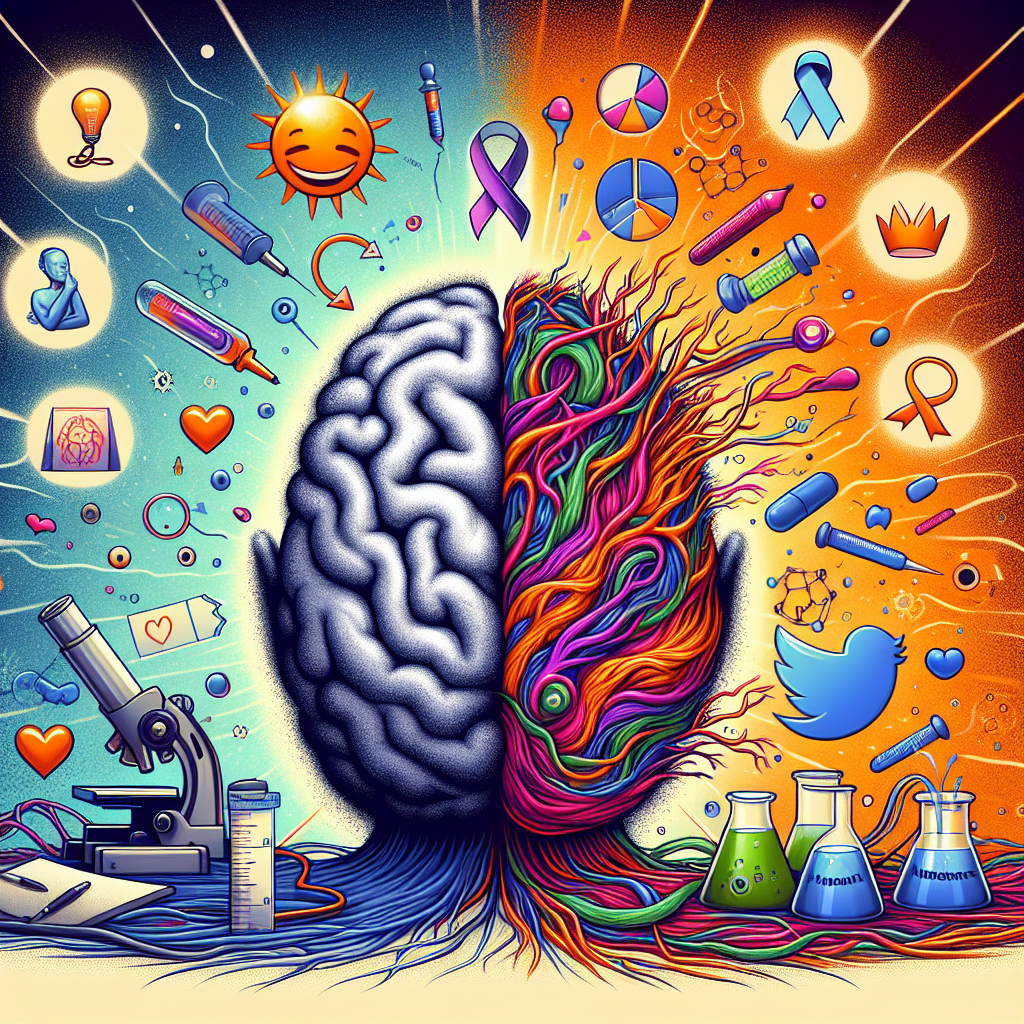
The UCSF team conducted an extensive study focusing on the neurobiological mechanisms underpinning stress-induced depression. Their findings suggest that specific interventions could restore functionality in areas of the brain connected to mood regulation. Such therapeutic breakthroughs bring newfound hope to the millions who grapple with these challenging conditions.
Understanding the Mind’s Resilience
In exploring this exciting avenue of research, it’s essential to consider the innate resilience of the human mind—a quality that many may find parallels in biblical teachings. Just as the UCSF study indicates that restoration is possible, scriptures remind us that healing and renewal are not just confined to physical phenomena but extend deeply into our emotional and spiritual lives.
As noted in Romans 12:2 (NIV), “Do not conform to the pattern of this world, but be transformed by the renewing of your mind.” This verse encapsulates the essence of transformation, highlighting the idea that mental and emotional renewal is an attainable goal. Just as scientists labor to mend the neural pathways of stressed brains, individuals can seek spiritual and emotional restoration through faith and divine guidance.
Connecting Science with Spirituality
As this new research unfolds, it ignites curiosity about the interconnectedness of our brain function and emotional well-being through both scientific and spiritual lenses. The ability to cultivate happiness and resilience in the face of life’s stresses echoes a fundamental teaching of compassion that Jesus demonstrated during His ministry.
Through acts of kindness, love, and support, individuals can help foster environments conducive to recovery and joy, resonating with the biblical exhortation to bear one another’s burdens (Galatians 6:2). In practice, this means not only seeking assistance when needed but also being present for those enduring their own struggles.
A Collective Call for Hope
The UCSF discovery invites us to envision a brighter future for mental health treatment, bolstered by faith and community support. As advancements in science continue to illuminate pathways to healing, they also challenge us to reflect on how we can embody these principles of compassion and care in our daily interactions.
As you consider the implications of these groundbreaking findings, remember the comforting words of Psalm 30:5 (NIV): “Weeping may stay for the night, but rejoicing comes in the morning.” This truth encourages us to hold onto hope, promising that brighter days lie ahead, not just through scientific innovation, but also through our enduring spirit and faith in something greater.
Takeaway Message
In a world where stress and anxiety can cloud our minds, let us embrace the potential for restoration—both scientifically and spiritually. Whether seeking professional help or relying on the supportive embrace of community and faith, know that renewal, much like the transformation described in scripture, is always within reach. Reflect on how you can play a part in someone’s journey to joy, embodying those positive principles taught by Jesus, and remember that we are never alone on this path to happiness.
Explore and dig up answers yourself with our BGodInspired Bible Tools! Be careful – each interaction is like a new treasure hunt… you can get lost for hours 🙂