 0
0
 0
0
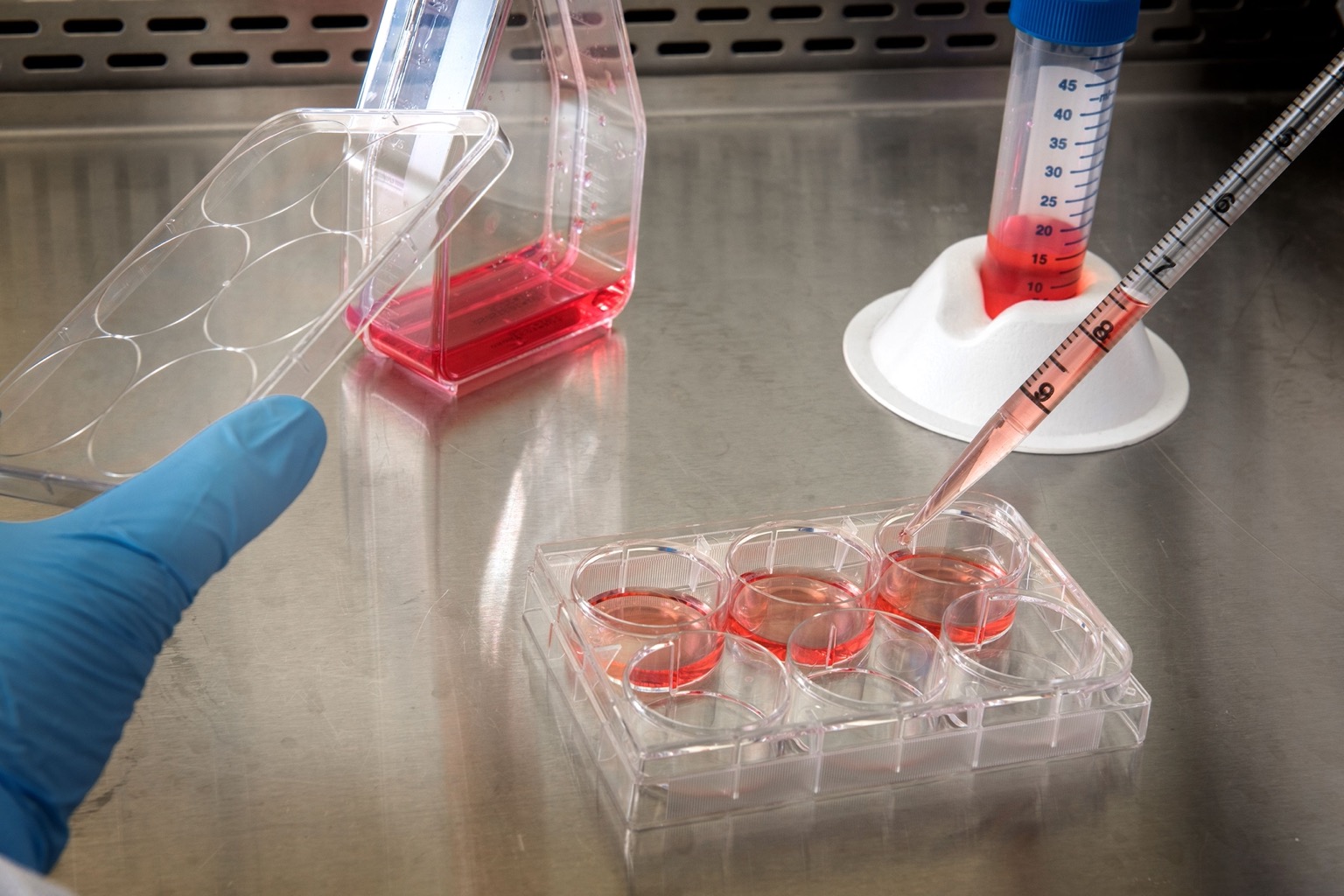
A laboratory in Bonn took blood from an 80-year-old donor, put the cells through a conversion process, and ended up with brain stem cells whose molecular clocks read as if they belonged to someone under 20.
The same team did it with blood from a 101-year-old.
Nobody got younger. The cells never left the dish. But the most interesting thing about turning old blood cells into young brain cells is not the age number at all. It is how slowly the change happened.
Almost everyone who reads a headline like that does a little private arithmetic about themselves before they finish the first paragraph. That reaction is worth following, because the researchers’ own favorite part of this result is the part nobody put in a headline.
How Scientists Turned Old Blood Cells Into Young Brain Cells
The work comes from the Institute of Reconstructive Neurobiology at University Hospital Bonn and the University of Bonn, with groups from RWTH Aachen, and was published by the university in October 2026. The paper is in the journal Aging Cell (Berg et al., DOI 10.1111/acel.70751).
Here is the method in plain terms.
They started with red blood cell precursors — not finished red blood cells. A mature red blood cell has no nucleus and therefore no DNA to rewrite, so the usable starting material is the earlier, still-nucleated cell that a red blood cell comes from.
Into those cells they put a cocktail of transcription factors. Transcription factors are the proteins that decide which genes a cell actually reads. Change the set, and you change what the cell thinks it is.
The cells became induced neural stem cells — the kind of cell that can go on to make neurons. The team’s earlier work had already shown that neurons made this way will wire themselves into existing neurons after being transplanted into mouse brains.
One detail matters more than it looks. They went directly from blood to brain. Older methods took a two-step route: wind the cell all the way back to a pluripotent state, essentially an embryonic blank, then push it forward again into a neural cell. This conversion skipped the blank entirely. The cell was never sent back to the beginning. It changed what it was while moving forward, and got younger on the way.
What “Molecular Age Under 20” Actually Measures
This is where most coverage of aging research quietly overstates things, so it is worth being exact.
The age being measured is an epigenetic age. Over a lifetime, chemical tags accumulate on DNA in patterns that track fairly reliably with how many years a person has lived. Those tags do not change the genetic code itself; they change how often genes get read. Statistical models called epigenetic clocks read the pattern and return an estimated age.
So “molecular age under 20” means: the chemical tags on these cells now look like the tags on cells from a young person. It is an estimate produced by a model. It is not a measurement of how long the cell will survive, and it is not a statement about the donor, who is still 80.
That gap between the age on your documents and the age your tissue behaves like keeps turning up in other research too — an early Harvard study found that transplanted hearts seem to take on the age of their new body rather than keeping their own. Biological age is turning out to be a much looser thing than a birthday.
The Strangest Part Is How Slowly It Happened
The paper’s own title contains the word that gives the finding away: protracted. Drawn out. Slow.
The older two-step route resets a cell’s clock quickly. In this direct conversion, the researchers watched the reset arrive gradually, and kept watching. “In our approach, rejuvenation occurred gradually and could be tracked for over 100 days,” said Oliver Brüstle, who directs the Bonn institute.
And he treats that sluggishness as the prize, not the problem. A de-aging that stretches over so long a period, he said, is ideal as an experimental model.
That line is the whole point, and it is easy to read straight past. If a cell snaps from old to young in a few days, you have a result. If it unfolds over weeks and is still going past a hundred days, you have a window — something you can sit beside, sample repeatedly, and interfere with. You can start asking which factors make it faster and which make it stall, and that is a question nobody could put to the fast method at all.
There is a second thing the headlines left out. This team reported epigenetic rejuvenation in blood-derived neural stem cells back in 2018, in Nature Communications (Sheng et al.). So the news here is not really the discovery that old cells can be made young. In that earlier paper the de-aging actually deepened the longer the cells were grown — and the authors still described the loss of age markers as pronounced but incomplete. The cells came back a long way. They did not come all the way back.
Which is the honest version of this story: not a reversal, a long gradual return that never quite finishes, and that you can finally watch happen.
What This Is Not, Yet
Everything above happened in a dish.
No person was treated. No animal was treated in this study; the transplant work is from the group’s earlier research. The university presents the result as a research model for studying rejuvenation and screening what speeds it up or slows it down — not as a therapy, and it does not claim otherwise.
Two more points of precision. The press release reports donors aged 80 and 101 but gives no sample sizes or statistics. And the striking phrase “60 years younger after 50 days” appears in the university’s own subheading without the body text explaining where the fifty days come from — so treat that as the institution’s summary of its result rather than a reported endpoint.
This is a familiar shape in aging research. Blocking one protein regrew real cartilage in aged mice with no stem cells at all, and that study came with its own honest catch. The lab result is real. The distance from a dish to a clinic is also real, and usually measured in decades.
What is left, once you have subtracted all of that, is still remarkable: age in a cell is not a one-way street, and whatever writes it can be partly rewritten.
An Old Question
The question this lab is asking in molecular form is a very old one, and it was once asked almost word for word.
Two thousand years ago a man came to a teacher at night — a respected man, well into his own life and career — and asked how a person could possibly be born when he is already old. He meant it as an objection. He was told, in effect, that he was measuring the wrong thing: the kind of renewal on offer was never about the body, and it was never limited by how much of your life you had already spent.
What is striking, sitting next to the Bonn result, is the shape of it. People who describe being made new rarely describe a switch thrown once. They describe something slow, traceable, still going years later — pronounced but incomplete, you might say. Something you live inside rather than remember. If you have ever wondered what that old phrase actually meant, there is a short word study on the exact word he was answered with, which turns out not to mean a second attempt at all.
A seed, and then back to the cells.
A good place to start:
The Beginner’s Guide to Feeling God’s Presence Every Day
A short video guide and companion PDF for noticing God in ordinary days — the commute, the kitchen, the waiting room. Get the free guide. Free.
Where That Leaves Us
The cells from that 80-year-old donor are still sitting in a laboratory in Bonn, doing nothing for anybody’s knees or memory. If you are waiting for this to become a treatment, wait a long time.
But the finding underneath the headline is better than the headline, and it is the opposite of what a breakthrough story usually offers. The researchers’ best result was not speed. It was slowness — a change big enough to measure, slow enough to study, and still unfinished after a hundred days.
Most of us assume the opposite about change. That it has to be fast to be real, and that there is an age past which it stops being available. A lab in Bonn just spent weeks quietly suggesting otherwise, using the oldest blood it could find.
Questions People Are Asking
Did scientists really turn an 80-year-old’s blood into young brain cells?
Yes, in a laboratory dish. Researchers at University Hospital Bonn and the University of Bonn converted red blood cell precursors from an 80-year-old donor directly into induced neural stem cells, and epigenetic clocks read those cells at a molecular age under 20. The work was published in the journal Aging Cell in October 2026. No person was treated, and the researchers describe the result as a research model rather than a therapy.
What does a molecular age under 20 mean?
Molecular age, or epigenetic age, is an estimate produced by statistical models that read chemical tags on DNA. Those tags accumulate in patterns that track closely with how many years a person has lived. A molecular age under 20 means the tag pattern on those cells now resembles the pattern found in a young person’s cells. It is a model’s estimate of biological age, not a measurement of how long a cell will live, and it says nothing about the donor’s own lifespan.
Is this a treatment for aging or Alzheimer’s disease?
No. The Bonn experiment took place entirely in cell culture, with no human or animal treatment in the study itself. The University of Bonn presents the result as an experimental model for studying how cellular rejuvenation works and for screening which factors speed it up or slow it down. Age is the largest risk factor for neurodegenerative diseases such as Alzheimer’s, which is why the group works on neural cells, but no treatment is claimed.
How long did the cells take to get younger?
Weeks, not days. Oliver Brüstle of the Bonn institute stated that rejuvenation occurred gradually and could be tracked for over 100 days, and the university’s summary describes the cells as roughly 60 years younger after 50 days. The slowness is the point of the finding: the older two-step method, which routes cells through a pluripotent stage, resets the clock quickly, leaving researchers nothing to observe or interrupt.
Why red blood cell precursors instead of red blood cells?
Mature human red blood cells have no nucleus, so they carry no DNA to reprogram. Reprogramming works by changing which genes a cell reads, which requires a nucleus. Red blood cell precursors still have one, which makes them a practical starting material — they can be obtained from a blood donation rather than from brain tissue or a biopsy.
One Question Worth Arguing About
Here is the one that splits a room. If biological age can be partly rewritten in a dish, should “how old are you” eventually stop meaning the number of years you have lived — or is a birthday the only honest measure of a life, no matter what the clocks in a laboratory say? Tell us what you think in the comments; the answers to this one are never unanimous.
If You Want to Share This
- A lab took blood from an 80-year-old and ended up with brain stem cells reading a molecular age under 20. The weird part: it happened slowly, over weeks, and that slowness is the actual discovery. https://bgodinspired.com/index.php/bgodinspired-news/bgodinspired-health-news/old-blood-cells-into-young-brain-cells/
- Turns out the interesting thing about reversing a cell’s age isn’t that it worked. It’s that it was slow enough to watch — weeks of it, still going past a hundred days. Nobody could study the fast version. https://bgodinspired.com/index.php/bgodinspired-news/bgodinspired-health-news/old-blood-cells-into-young-brain-cells/
- They didn’t send the old cell back to being an embryo to make it young again. It went straight from blood to brain and got younger on the way. Read that twice. https://bgodinspired.com/index.php/bgodinspired-news/bgodinspired-health-news/old-blood-cells-into-young-brain-cells/