 0
0
 0
0
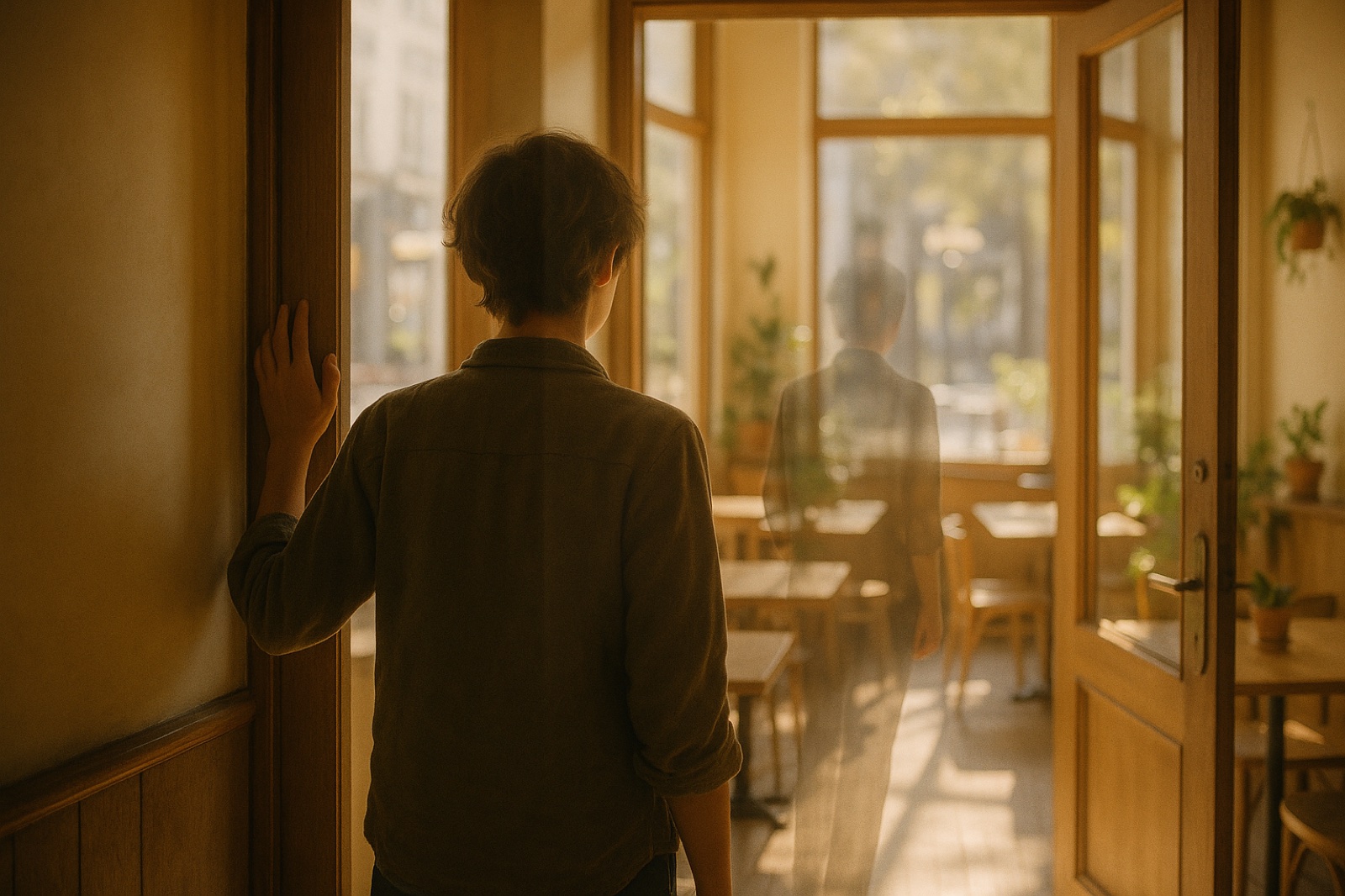
You walk into a room you have never been in. Someone says something ordinary. And suddenly the whole moment feels like a rerun. You have been here. You have heard this. You almost know what comes next.
Then it is gone, and you are left standing there wondering what just happened.
If you have ever looked up the deja vu meaning after one of those moments, you are in good company. It is one of the strangest things a normal, healthy brain does. And the best current science suggests something surprising: that eerie feeling may not be your memory breaking. It may be your brain catching its own mistake.
What Does Déjà Vu Mean?
Déjà vu is French for “already seen.” It is the feeling that something happening right now has happened before, even though you know it cannot have. The French researcher Émile Boirac is usually credited with giving the feeling its name in the late 1800s.
The key part is that second half. It is not just a feeling of familiarity. Lots of things feel familiar. Déjà vu is familiarity that you know is wrong. Your gut says “been here.” Your head says “no, you haven’t.” Déjà vu lives in the gap between those two voices.
How Common Is Déjà Vu?
Very common. In 2003, psychologist Alan Brown gathered up the research published on déjà vu so far. His review found that around two-thirds of people say they have had it at least once.
His review also found two other patterns that surprise most people:
- It gets rarer with age. Younger people report it more often than older people.
- Places set it off more than conversations do. A street corner, a room, a view out of a window. The setting around you is the most common trigger.
That second clue turns out to matter a lot.
What Causes Déjà Vu? The Leading Explanation
Nobody has fully solved déjà vu. It is hard to study, because you cannot make it happen on cue. But researchers have some strong leads.
Your memory does two different jobs. One job is recalling: pulling up the actual details of a past moment. The other job is recognizing: giving you a quick “I know this” feeling, even when the details will not come.
Most of the time those two jobs agree. Déjà vu seems to happen when they don’t. The “I know this” feeling fires, but there is no real memory behind it.
Psychologist Anne Cleary and her team tested one version of this idea using virtual reality scenes. People toured one scene, then later toured a brand-new scene whose layout matched the first, with different objects in the same places. When people could not remember the earlier scene, the new one felt more familiar, and they reported more déjà vu.
So one likely cause is simple: you are somewhere new, but its shape echoes somewhere you have been and forgotten. A café laid out like your aunt’s old kitchen. A hallway that bends like one from school. Your brain spots the match. You just can’t see where it came from.
The Surprise: Déjà Vu May Be Your Brain Checking Its Own Work
Here is the part that most explanations leave out.
A team led by Akira O’Connor at the University of St Andrews in Scotland tried to create déjà vu in a brain scanner. They used a word-list trick that makes people feel they have heard a word before when they haven’t, then told them honestly that they hadn’t. That builds exactly the clash déjà vu is made of.
If déjà vu were just a memory glitch, you would expect the memory areas of the brain to light up. They didn’t, at least not as the main event. The scans pointed instead to the front of the brain, to areas that handle conflict and error-checking. These are the parts that notice when two signals don’t match and flag the problem.
In other words, déjà vu may be the moment your brain’s fact-checker catches a false “I know this” and refuses to believe it. The strange feeling is the sound of the check happening.
O’Connor’s team has suggested this could mean déjà vu is a sign of a healthy memory system doing its job, not a broken one. It might even explain why déjà vu fades with age, if that checking system gets less sharp over time. That last part is still an idea being tested, not a settled fact. The study was also small: 21 people, 16 of whom reported déjà vu. But it flips the usual story on its head.
The glitch isn’t the déjà vu. The glitch is the false familiarity. The déjà vu is you noticing.
Why Déjà Vu Feels Like You Know What Happens Next
Many people say déjà vu comes with a spooky sense that they could predict the next few seconds. Some take that as a sign of a premonition.
Cleary’s team tested this too. During déjà vu in their virtual tours, people often felt sure they knew which way the path would turn next. But when researchers checked, they could not actually predict it any better than chance.
The feeling of knowing was real. The knowing was not. Strong familiarity seems to bring a sense of prediction along with it, whether or not there is anything behind it.
Is Déjà Vu a Bad Sign?
For most people, no. An occasional moment of déjà vu is a normal part of having a human brain.
There is one situation worth knowing about. In some people with a condition called temporal lobe epilepsy, a feeling like déjà vu can come right before or during a seizure. Studying those patients has helped scientists learn where in the brain the feeling comes from.
If your déjà vu is happening very often, lasts a long time, or comes with other things like losing track of time, strange smells or tastes, confusion, or zoning out, it is worth mentioning to a doctor or health worker. Otherwise, it is very likely just your brain being a brain. If you are curious about other strange experiences a healthy brain can produce, the science of sleep paralysis is another one that feels far more supernatural than it is.
“Nothing New Under the Sun”: The Oldest Description of the Loop
There is a phrase people use when life feels like a rerun: there is nothing new under the sun. Most people don’t know where it comes from. It is from one of the oldest books of wisdom still read today, called Ecclesiastes, written by someone who simply called himself the Teacher.
He was describing something close to déjà vu, but stretched across a whole life. The sun rises and sets. The wind goes round and round. The same things happen again and again. He wasn’t writing about a strange ten-second feeling. He was writing about the heavy sense that everything is on repeat.
What makes the book interesting is where the Teacher ends up. He doesn’t solve the loop by escaping it. He comes to see that the loop only feels empty when you look at life as if nothing sits above it. His answer is that the past is not simply gone and the future is not a trap, because God holds all of it, the moments that were, the moments that are, and the moments still coming. The repeating is not the whole story. Someone is keeping the story.
Which is a strange echo of what the scientists found. The feeling that “this has all happened before” is real. But it isn’t the final word. Something bigger is checking it.
What to Do Next Time It Happens
Next time déjà vu hits, try getting curious instead of spooked. Look around. What is the shape of the place you are in? Does it echo somewhere you used to know? You may be able to find the forgotten memory your brain matched it to.
And if you can’t, that’s fine too. You just caught your own mind double-checking itself. There is something quietly reassuring about that. Your memory isn’t only storing your life. It is watching out for you. As the novel The Housekeeper and the Professor shows so gently, what we remember, and how, shapes far more of who we are than we notice.
The moment will repeat. You won’t. Every day is still, in the ways that matter most, a first.
Discussion Question
When you get déjà vu, does it feel eerie, exciting, or just a little funny? And do you think the “brain checking its own work” explanation makes the feeling more or less mysterious? Share your take in the comments below.
Share This
Post 1: Turns out déjà vu might not be your memory glitching. It might be your brain catching a fake “I’ve been here” feeling and refusing to believe it. Wild. https://bgodinspired.com/index.php/bible-resources/bible-fun-facts/deja-vu-meaning/
Post 2: I always thought déjà vu meant I could almost predict what happens next. Researchers tested that. People felt sure they knew what came next, but they didn’t. The feeling of knowing isn’t the same as knowing. https://bgodinspired.com/index.php/bible-resources/bible-fun-facts/deja-vu-meaning/
Post 3: Didn’t know “nothing new under the sun” came from a book written thousands of years ago about life feeling like one big rerun. Déjà vu is older than we think. https://bgodinspired.com/index.php/bible-resources/bible-fun-facts/deja-vu-meaning/
Questions People Ask About Déjà Vu
What is the meaning of déjà vu?
Déjà vu is French for “already seen.” It describes the strong feeling that something happening right now has happened before, together with the knowledge that it cannot have. Around two-thirds of people report experiencing déjà vu at least once, according to a 2003 review of the research by psychologist Alan Brown.
What causes déjà vu in the brain?
Scientists have not fully solved déjà vu, but a leading explanation is that the brain’s quick “I recognize this” signal fires without a real memory behind it. Research by psychologist Anne Cleary found that a new place whose layout resembles a forgotten place can trigger déjà vu. Brain scans led by Akira O’Connor at the University of St Andrews suggest the feeling involves frontal brain areas that check for errors, meaning déjà vu may be the brain noticing a false sense of familiarity.
Is déjà vu a sign of something wrong?
Occasional déjà vu is normal and common in healthy people, and it is reported more often by younger people than older people. In some people with temporal lobe epilepsy, a déjà vu-like feeling can happen at the start of a seizure. Anyone who has very frequent or long-lasting déjà vu, or déjà vu with confusion, lost time, or strange smells or tastes, should mention it to a doctor or health worker.
Can déjà vu predict the future?
Déjà vu often comes with a feeling of knowing what will happen next, but experiments suggest the feeling is not accurate. In virtual reality studies by Anne Cleary’s team, people experiencing déjà vu often felt they could predict the next turn in a path, but they could not actually predict it better than chance.
Where does the phrase “nothing new under the sun” come from?
The phrase “nothing new under the sun” comes from Ecclesiastes, an ancient book of wisdom in the Bible. In the King James Version the wording is “there is no new thing under the sun.” The writer uses it to describe the feeling that life repeats itself, and the book goes on to say that God holds the past, present, and future. For more surprising origins like this one, the free Bible Fun Facts AI assistant (opens in ChatGPT) can answer follow-up questions.