 0
0
 0
0
A Day of Reflection and Release
The sun hung low in the sky, casting long shadows over the ancient fields of Israel. It was the Day of Atonement. A day steeped in ritual, where the weight of sin was symbolically carried away, leaving communities feeling lighter, renewed. But—what does it mean for us today?
The Goats and Their Sacrifice
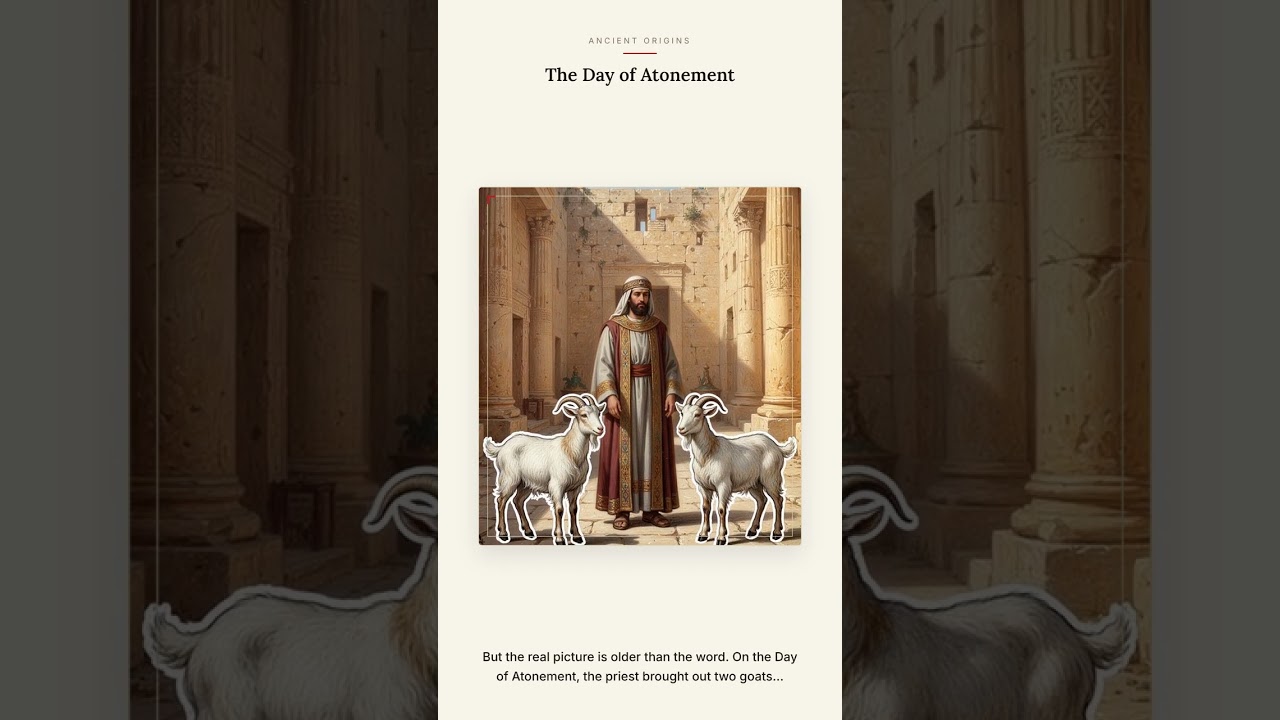
Two goats stood before the high priest, poised to take on the sins and transgressions of the people. One was sacrificed, its blood offering a reminder of the cost of sin. The other, the “scapegoat,” would carry those sins into the wilderness, symbolizing complete and utter removal from the community (Leviticus 16:10). This isn’t simply about the act of sacrifice; it’s about reconciling with the very essence of who we are: flawed, desperate for grace.
But there’s a tension here; while sacrifice seemed like the solution to sin, the blood of the goat was a temporary fix. It pointed to something greater, something permanent. Jesus, that once-for-all sacrifice, fulfilled what those goats could only symbolize (Hebrews 10:12). The intimacy of the act—the blood spilled, the sins sent away—reveals God’s profound commitment to us. Isn’t that comforting?
What Surprised Everyone
Many see the Day of Atonement as a distant ritual, but its implications echo through history. When Jesus stepped onto the scene, He unlocked the true meaning of those ancient practices. We often think of atonement as a one-time deal; that somehow we can “earn” our way back to God. But what escapes many is that it’s less about what we do and more about what Jesus has already done.
Consider the scandal it posed to the leaders of the time. They believed their meticulous sacrifices were enough. Jesus challenged them, saying, “I desire mercy, not sacrifice” (Matthew 9:13). It wasn’t the rituals but a heart turned toward God that mattered. That can be a tough pill to swallow—do we cling to our own contributions rather than embrace the grace offered to us without strings attached?
Actions to Take This Week
Reflect on a personal burden you’ve been carrying and consider handing it over to God.
Write a letter to yourself outlining the things you’ve forgiven, as if they were being sent away with the scapegoat.
Share your understanding of atonement with a friend—discussing it might illuminate new perspectives for both of you.
A Prayer for Atonement
Jesus, I’m grateful that you took my sins upon yourself. I often find myself carrying burdens I should have let go of. Help me to live in the freedom you’ve provided. Teach me to forgive myself and others as I experience your grace each day. In your name, I pray. Amen.
Journal Prompts
- What burdens am I still carrying that God wants me to release?
- Where do I feel I fall short in understanding God’s grace?
- How do rituals, both sacred and secular, play a role in my spiritual life?
- What does forgiveness look like to me, and where do I struggle with it?
Share This
“I’m learning that my worries don’t define me, because Jesus has already taken them away.” #Atonement #DayOfAtonement #Grace
Q&A: Two Goats Reveal What Jesus Did for You #DayOfAtonement #BibleExplained
What is the significance of the scapegoat?
The scapegoat symbolizes the removal of sin, carrying the community’s transgressions into the wilderness to signify separation from God (Leviticus 16:10). It illustrates the depth of God’s desire to cleanse us.
How does Jesus fulfill the meaning of atonement?
Jesus is the ultimate sacrifice that the goats foreshadowed. His death wasn’t just a temporary solution; it reconciled humanity with God for good (Hebrews 10:12).
Why is blood sacrifice important in the Bible?
Blood sacrifice demonstrates the seriousness of sin and the cost of reconciliation, emphasizing that a life was given for the sake of atonement (Leviticus 17:11).
Is atonement necessary for all believers?
Yes, atonement reflects our need for reconciliation with God. It’s through understanding this need that we can embrace the fullness of grace offered in Christ (Romans 3:23-25).
How can I apply the concept of atonement in my life?
By recognizing that we all need forgiveness, you can practice extending grace to others and learning to forgive yourself, embracing the fullness of the atonement that Christ offers.
Finding Freedom in Letting Go
The Day of Atonement teaches us not just about sacrifice, but about a God who continually invites us to release our burdens. As you reflect on the two goats, remember that your story is intertwined with His. What burdens are you still holding onto today? Let’s explore that together—share your thoughts or questions below.
Two Goats Reveal What Jesus Did for You #DayOfAtonement #BibleExplained on YouTube
If you want to want to know more about this topic, check out BGodInspired.com
If positive Biblical wisdom matters to you, I’d love your support of the mission