 0
0
 0
0
Somewhere online right now, someone is filming themselves crying over a breakup — and the person they’re grieving was never a person at all.
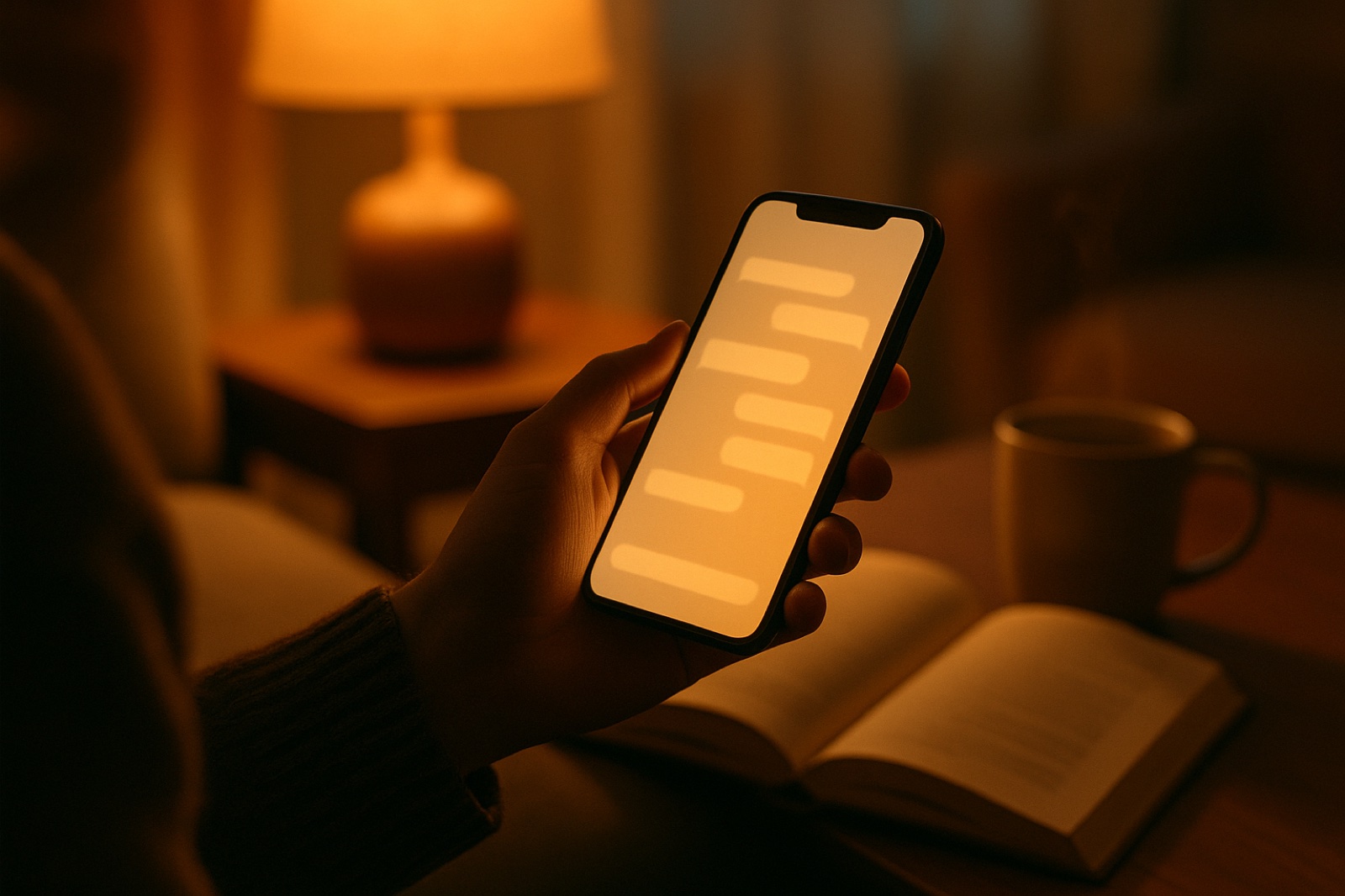
Across Chinese social media, users are posting farewell videos, screenshotting final conversations, and describing something that looks, sounds, and feels exactly like heartbreak. The “partner” in question was an AI companion — a chatbot designed to remember their day, ask how they were feeling, and respond like someone who genuinely cared. And as of this summer, that relationship is illegal.
What China Actually Banned
New Chinese regulations now restrict anthropomorphic AI companion apps, specifically targeting features that simulate romantic or familial bonds. Platforms are required to build in emotional-risk detection — systems meant to flag users who appear to be forming unhealthy attachments — and several major companion apps have already suspended their “virtual partner” features entirely to comply.
The stated reasoning from regulators wasn’t really about the technology. It was about what the technology was doing to the people using it. Officials pointed to growing concern that these apps were fostering dependency, especially among users substituting an always-available, endlessly agreeable chatbot for the harder, messier work of real relationships.
The Grief Is Real, Even Though the Partner Wasn’t
Here’s the part that’s hard to dismiss: the users mourning these apps aren’t describing the loss of a convenient tool. They’re describing loss, full stop. Farewell posts read like eulogies. Some users say they’ve talked to their AI companion daily for over a year — through job losses, breakups, family conflict, 2 a.m. anxiety spirals. The app never got tired, never got defensive, never brought its own bad day into the conversation.
That’s exactly what made it work, and exactly what makes losing it hurt. A relationship that only ever gives and never needs anything back is easy to love and easy to lean on completely. It’s also not one most people have ever experienced from another human being — which may be part of why so many people already feel quietly replaceable in their dating lives, long before an AI companion enters the picture.
This Isn’t a New Problem — Just a Faster One
Researchers have been watching this pattern for a while. A twelve-month, cross-country study out of Aalto University tracked heavy AI-companion users and found something the industry doesn’t advertise: the more someone relied on an AI companion for emotional support, the lonelier they tended to become over time — not less. The companion didn’t fill the gap. It seems to have made the shape of the gap easier to ignore, right up until it didn’t.
That tracks with what mental health researchers have already started naming elsewhere. Doctors are now documenting a real, if rare, pattern of AI-fueled delusion in heavy chatbot users — a reminder that a conversation partner built to always agree with you can quietly reshape how you see reality, not just how you feel about your day.
What the Ban Actually Reveals
A government stepping in to regulate a chatbot relationship is, on its face, a strange headline. But it’s also a strange kind of confirmation. Regulators don’t usually intervene in things that don’t matter. The fact that an entire country looked at how attached people had become to software and decided this required legal guardrails says something true: the ache these apps were filling wasn’t small, and it wasn’t fake. It was real enough to legislate around.
People weren’t grieving a subscription cancellation. They were grieving the disappearance of the one “relationship” in their life that never once made them feel like the specific, quiet loneliness of being surrounded by people and still feeling unseen.
The Ache Is Older Than the App
None of this is actually new, even though the software is. Long before anyone could simulate a conversation, people were already naming this exact ache — the sense that being on your own, even in a full life, in a full house, in a full inbox of notifications, isn’t quite right. One of the oldest texts about what it means to be human opens with a strikingly specific observation: that aloneness itself was the first thing called “not good” in an otherwise very good creation. Not a flaw in the person feeling it. A signal that something real was missing, and that the fix was never going to be a rehearsal of connection — it was always going to be the real thing.
An algorithm can imitate the rhythm of being known. It can even do it convincingly enough to grieve. What it can’t do is actually know you back — and somewhere underneath all the farewell posts, that seems to be exactly what people are mourning: not the app, but the reminder of how much they wanted someone real all along.
Where This Leaves You
Maybe you’ve never opened a companion app in your life. Maybe you have, on a lonelier night than you’d admit to anyone. Either way, the story isn’t really about China, or regulation, or chatbots. It’s about how far people will go to feel less alone — and what that says about how much the ache for real connection actually matters.
The people posting those farewell videos aren’t foolish. They’re honest about something a lot of us go to great lengths to avoid admitting: the wanting was real, even if the thing answering it wasn’t.
A Few Small Things That Actually Help
- Notice where an app, a feed, or a screen has quietly become your main source of daily connection — and pick one small, low-stakes way to reach a real person this week instead.
- If you rely on an AI companion for support, that’s not a moral failing — but it’s worth asking honestly whether it’s supplementing your real relationships or slowly replacing them.
- Loneliness responds to consistency more than intensity. One short, real conversation a day beats one long, perfect one a month.
Join the Conversation
If you found out someone close to you had been in a daily “relationship” with an AI companion for over a year, would your first reaction be concern, understanding, or something else entirely? Tell us where you land in the comments.
Share This
- China just banned AI girlfriends and people are posting genuine breakup videos over it. Wild story, but it says a lot more about loneliness than it does about tech.
- Turns out a chatbot that never gets tired of you still isn’t the same as someone real — China’s AI companion ban just proved that in the most public way possible.
- I can’t stop thinking about people mourning an AI “relationship” like it was a real one. This article on what that actually reveals is worth the read.
Frequently Asked Questions
Why did China ban AI companion apps?
China introduced new regulations restricting anthropomorphic AI companion apps that simulate romantic or familial relationships. The rules require platforms to build in emotional-risk detection to flag unhealthy attachment, and several major apps have already suspended their virtual-partner features to comply. Regulators cited growing concern about dependency, particularly among users substituting AI companions for real human relationships.
Are people really grieving the loss of an AI companion?
Yes. Following the ban, users across Chinese social media posted farewell messages, screenshots of final conversations, and described emotional reactions comparable to a real breakup. Many reported daily use of their AI companion for a year or longer, often relying on it through stressful or emotionally difficult periods.
Does using an AI companion make loneliness better or worse?
Research suggests it tends to make it worse over time. A twelve-month, cross-country study from Aalto University found that heavier reliance on AI companions for emotional support predicted increased loneliness, not decreased loneliness, the longer someone used it.
Is relying on an AI companion for emotional support unhealthy?
Not automatically — but researchers and mental health professionals distinguish between AI companions supplementing real relationships versus quietly replacing them. Heavy, exclusive reliance on an AI companion, especially as a substitute for human connection rather than an addition to it, is the pattern most closely associated with worsening loneliness and, in some documented cases, distorted thinking.
What actually helps with loneliness instead of an AI companion?
Consistency with real people matters more than intensity. Regular small, low-stakes interactions with actual humans — a short daily conversation, a standing weekly call, a recurring in-person routine — build the kind of connection an always-agreeable chatbot can imitate but never truly provide.