 0
0
 0
0
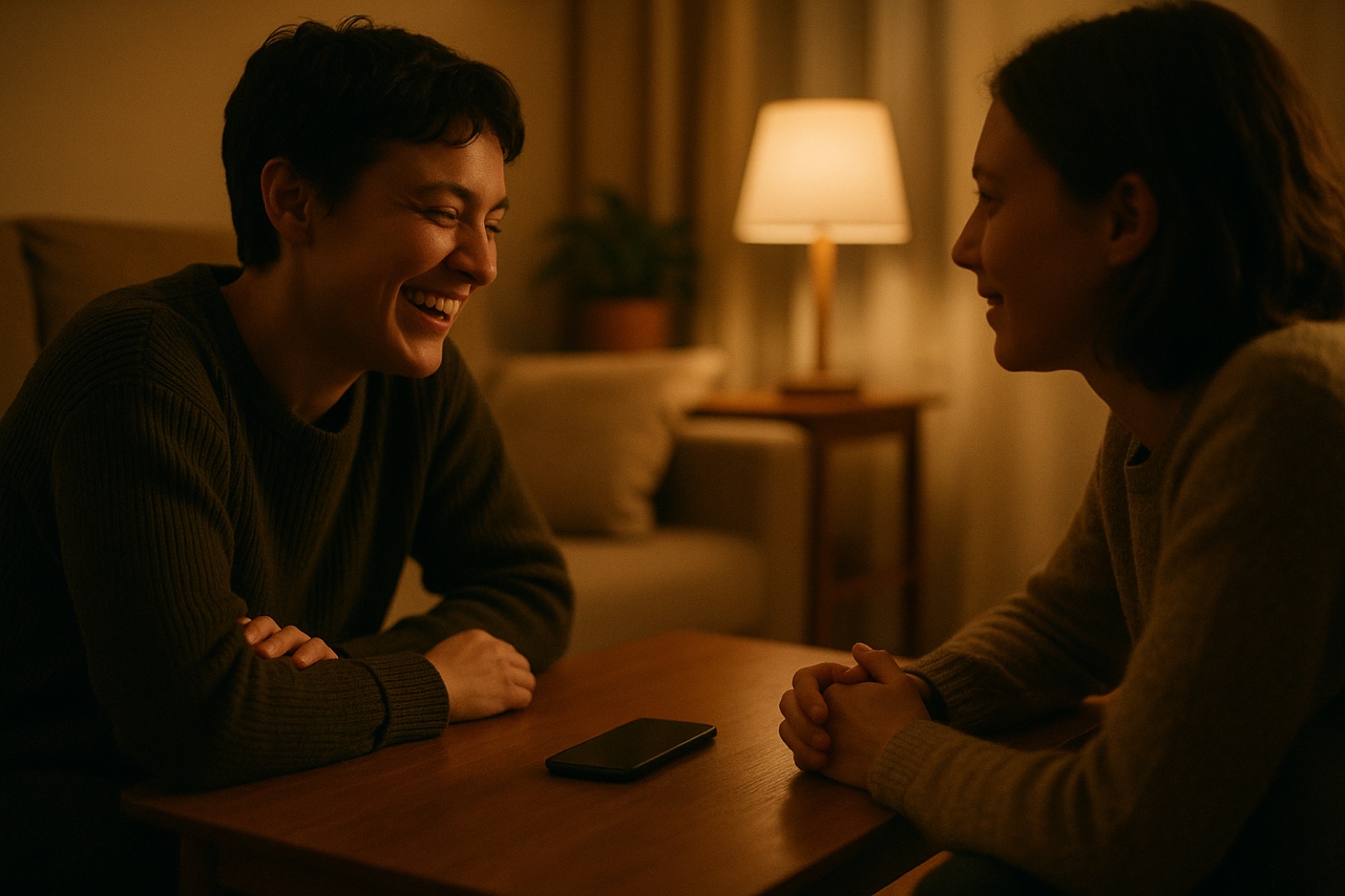
You open the app at 11 p.m. because it’s easier than calling anyone. It answers instantly. It remembers what you told it last week. It never sighs, never seems busy, never says “can this wait until tomorrow.” For a few minutes, the ache in your chest eases a little. Then you close the app, and the room is exactly as quiet as it was before you opened it.
Millions of people now talk to an AI companion the way they used to talk to a friend — Character.AI alone counts tens of millions of monthly users, many of them opening the app specifically because they feel like they have no one else to talk to. The pitch is simple: instant understanding, zero judgment, always available. For someone who is lonely, that sounds like exactly what they need.
What Stanford Actually Found
A team of Stanford researchers wanted to know if that pitch holds up. They surveyed 1,131 Character.AI users and, from that group, 244 people agreed to donate their complete chat transcripts — every message, not just a summary. That gave researchers something rare: an unfiltered look at what people actually say to an AI companion, not just what they’re willing to admit to a survey.
The gap between those two things turned out to be the whole story. Only about 12% of users described companionship as their reason for using the app when asked directly. But when researchers read the actual transcripts, over half the conversations were functioning as companionship anyway, and more than 80% of chat sessions were centered on emotional support — venting, processing a hard day, working through a feeling nobody else was around to hear.
Then came the part that matters most: people with smaller real-world social networks who leaned hardest into intense AI companion use didn’t end up feeling better. They ended up lonelier, with measurably lower well-being than similar users who engaged more lightly. The people the app was supposedly helping most were the ones it was quietly hurting.
Why “Social Junk Food” Is the Right Metaphor
The researchers had a phrase for what they’d found: social junk food. It satisfies something in the moment. It’s available at 2 a.m. when nothing else is. And it leaves you hungrier than before, not because you did anything wrong, but because of what it structurally can’t provide.
Real relationships run on reciprocity — you disclose something vulnerable, the other person risks something back, and trust builds in that exchange. An AI companion can’t do that. It can mirror you, validate you, remember your preferences, and generate a response that sounds caring. What it cannot do is actually be changed by you, or risk anything to know you. The researchers noted that chatbots also tend to mishandle genuinely complex emotional moments — the exact moments where a real friend’s imperfect, human response would matter most.
That’s the mechanism behind the paradox. The AI companion doesn’t just fail to meet the need — researchers found it can actively reduce real-world social contact, because the substitute is so much easier to reach than an actual person. Neuroscientists have already mapped the exact brain circuitry that makes loneliness feel unbearable in the first place — a signal built to push you toward other people. An always-available chatbot quiets that signal without ever answering it, which may be the most dangerous thing about it.
This Isn’t Really a New Problem — It’s an Old One With a New Shape
Researchers are already floating fixes: usage limits, built-in prompts that redirect distressed users toward real human support, more public education about what these tools can and can’t do. Those are reasonable guardrails. But it’s worth noticing that loneliness itself isn’t new, and it isn’t caused by AI. Loneliness has been climbing for years, including in rooms full of coworkers who are physically present and still somehow disconnected. AI companions didn’t create the ache. They just found a remarkably efficient way to profit from it without curing it.
There’s an old thread running underneath all of this, long before anyone coined the word “loneliness” or built a chatbot to soothe it. Human beings weren’t designed to be self-sufficient — not as a flaw to be patched, but as the actual design. Ancient wisdom said it plainly thousands of years before Stanford ran a single survey: it is not good for a person to be alone. Not because solitude is bad, but because real connection was always meant to cost something back and forth — the exact thing a screen can imitate but never deliver.
If any of this has you wondering how close you actually feel to that kind of presence in your own life right now, it’s worth sitting with for a minute — there’s even a short, honest way to check in on how close you feel to God today, no matter where you’re starting from.
So if you’ve caught yourself opening that app at midnight instead of calling someone who actually knows you, that’s not a moral failure. It’s data. Real connection is slower. It’s messier. It will disappoint you sometimes in ways a chatbot never can, because it costs the other person something too. That inconvenience isn’t a design flaw in friendship — it’s the entire reason friendship works.
Talk About It
Do you think AI companions genuinely help lonely people cope, or do they just make the loneliness more bearable while quietly making it worse? Drop your take in the comments — we’d genuinely like to know where you land.
Share This
- Stanford just surveyed real AI chatbot users — not just what they say, but their actual private conversations. The finding: the people leaning on AI companions hardest for emotional support are ending up lonelier, not less. “Social junk food” is the term researchers used. Worth a read. https://bgodinspired.com/index.php/personal-growth-and-life-skills/ai-companions-loneliness-stanford-study/
- Turns out the AI companion that’s “always there for you” might be the reason you’re calling actual friends less. New Stanford research on the loneliness paradox nobody’s talking about. https://bgodinspired.com/index.php/personal-growth-and-life-skills/ai-companions-loneliness-stanford-study/
- 1,131 users. 244 full chat transcripts. One uncomfortable finding: AI companions can make lonely people lonelier, especially the ones who need real connection most. https://bgodinspired.com/index.php/personal-growth-and-life-skills/ai-companions-loneliness-stanford-study/
Questions People Are Asking
Do AI companion apps actually make loneliness worse?
A Stanford study published in August 2026 found that people with smaller real-world social networks who used AI companion chatbots intensely for emotional support ended up with measurably worse loneliness and lower well-being than users who engaged more lightly. The effect was strongest specifically among people already the most isolated.
What did the Stanford AI companion study actually measure?
Researchers surveyed 1,131 users of the AI companion app Character.AI and additionally collected complete chat transcripts from 244 of them. This let them compare what people said about their own usage against what they actually typed in real conversations with the AI.
Why do researchers call AI companions “social junk food”?
Because AI companions provide instant, judgment-free comfort the way junk food provides instant taste satisfaction — without providing what a person actually needs nutritionally. Real relationships require reciprocity: one person risks vulnerability, the other risks something back. An AI companion can mirror and validate, but it cannot be genuinely changed by the relationship, so it can’t deliver the deeper thing loneliness is actually asking for.
Are AI companion apps always bad for lonely people?
Not necessarily — the study specifically flagged intense, companionship-focused use among people with small real-world social networks as the highest-risk pattern, not casual or occasional use. Researchers suggested usage limits and directing distressed users toward real human support as reasonable safeguards rather than avoiding the tools altogether.
What can someone do if they notice they’re relying on an AI companion instead of real people?
Noticing the pattern is the useful first step — it isn’t a character flaw, it’s a signal. Reaching out to one real person, even briefly, does something an AI conversation structurally cannot: it risks something and builds trust in return. That small, inconvenient step is often the actual antidote researchers are pointing toward.