 0
0
 0
0
Finding Grace in Unexpected Places: The Rifleman and a Lesson on Redemption
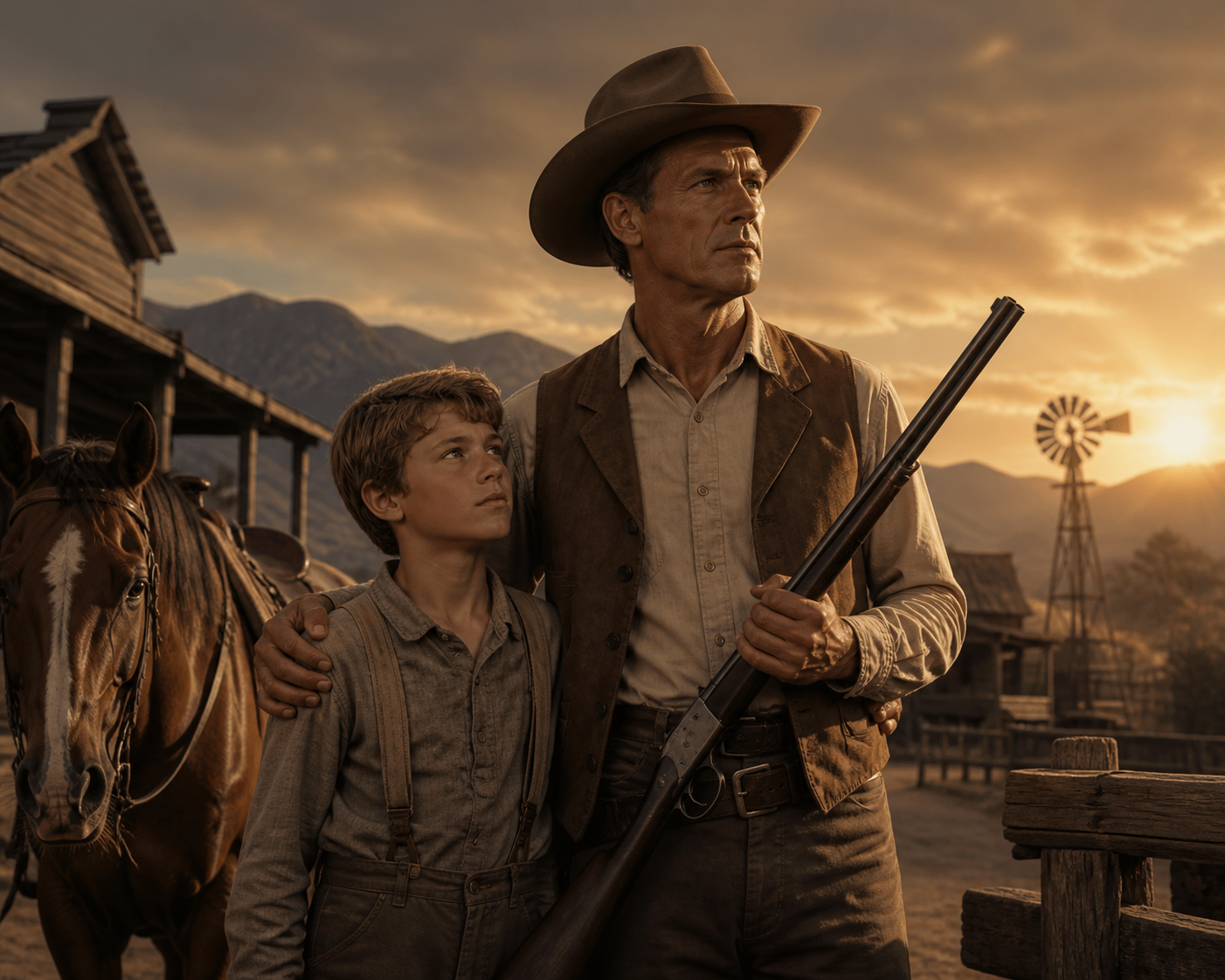
There’s a specific moment in "The Rifleman" that lingers longer than the others. It’s when Lucas McCain, faced with the decision to either seek revenge or show mercy, chooses the latter even when it’s not the easy choice. You’ll remember the scene: the tension in the air, the conflicted look on Lucas’s face, and the palpable relief when he finally lowers his rifle. It’s not just about the showdown; it’s about the unexpected grace he extends to his adversary.
The Unseen Struggle
"The Rifleman," at its core, explores human nature in all its complexity. Lucas McCain, with his strong moral compass, often finds himself navigating the grey areas between justice and mercy. In the scene where Lucas decides to forgive rather than retaliate, we see a powerful portrayal of internal struggle. It’s not about ignoring justice but recognizing the humanity in the person across from him, even when they’ve wronged him.
This moment isn’t just a reflection of Lucas’s character; it’s a mirror held up to our own lives. How often do we face conflicts where we’re tempted to hold a grudge or seek revenge? Yet, Lucas’s decision reminds us of the deeper strength found in forgiveness. It’s a silent victory that resonates loudly — suggesting that true courage sometimes lies not in taking action but in restraint.
A Scriptural Reflection
Here’s where it gets interesting. This moment in "The Rifleman" brings new light to the biblical story of King David and Saul. Like Lucas, David has several chances to harm Saul, his pursuer, but he refrains. In 1 Samuel 24, David spares Saul’s life, saying, "I will not lay my hand on my lord, because he is the Lord’s anointed." David understands that mercy can be more powerful than might.
When Lucas lowers his rifle, it echoes David’s understanding that vengeance belongs to something greater than himself. It makes us see both Lucas’s world and this biblical encounter in a new way. The insight? Grace and forgiveness are revolutionary forces. They transform both the giver and the receiver, offering a path to peace that defies the expected narrative of retaliation.
New Perspectives
After watching Lucas’s choice, we might begin to see our own struggles with forgiveness differently. This scene offers a profound reminder that our decisions can be informed by unexpected grace, turning potential conflicts into opportunities for reconciliation.
So, dear fan of "The Rifleman," has this moment ever made you reconsider what true strength looks like? How does Lucas’s decision resonate with your own experiences of conflict and forgiveness? Let me know in the comments.
Social Share Post
Lucas McCain’s choice to offer mercy over revenge in "The Rifleman" opens up a deeper understanding of forgiveness — echoing a biblical truth found in David’s story. Discover how both narratives illuminate each other here: [URL]
If positive Biblical wisdom matters to you, I’d love your support of the mission
Q&A about The Rifleman (1958-1963)
Why is The Rifleman considered a family-friendly show by many Christians?
The Rifleman is often valued for its emphasis on themes like integrity, justice, and the importance of family, reminiscent of biblical teachings. Jesus taught about loving one’s neighbor and doing good (Matthew 22:39), principles which are reflected in the show’s portrayal of a father-son relationship and community spirit.
What can The Rifleman teach us about parenting from a Christian perspective?
The relationship between Lucas McCain and his son Mark offers insights into biblical parenting by emphasizing guidance, discipline, and love. Ephesians 6:4 advises parents to bring their children up in the training and instruction of the Lord, which mirrors the nurturing and moral lessons imparted by Lucas to his son.
How does The Rifleman handle the theme of justice, and what does the Bible say about it?
The show often deals with issues of justice and standing up for what is right, aligning with the biblical call to act justly. Micah 6:8 emphasizes the importance of acting justly and loving mercy, principles that Lucas McCain embodies as he navigates conflicts and defends the innocent.
What can The Rifleman teach about forgiveness in conflict?
Throughout the series, Lucas McCain often resolves conflicts with an attitude of understanding and forgiveness, echoing Jesus’ teaching in Matthew 6:14 about the importance of forgiving others so that we may also be forgiven. This approach demonstrates how mercy can prevail over vengeance, promoting peace and reconciliation.