 0
0
 0
0
Finding Light in Unexpected Places: Iruma and the Parable of Growth
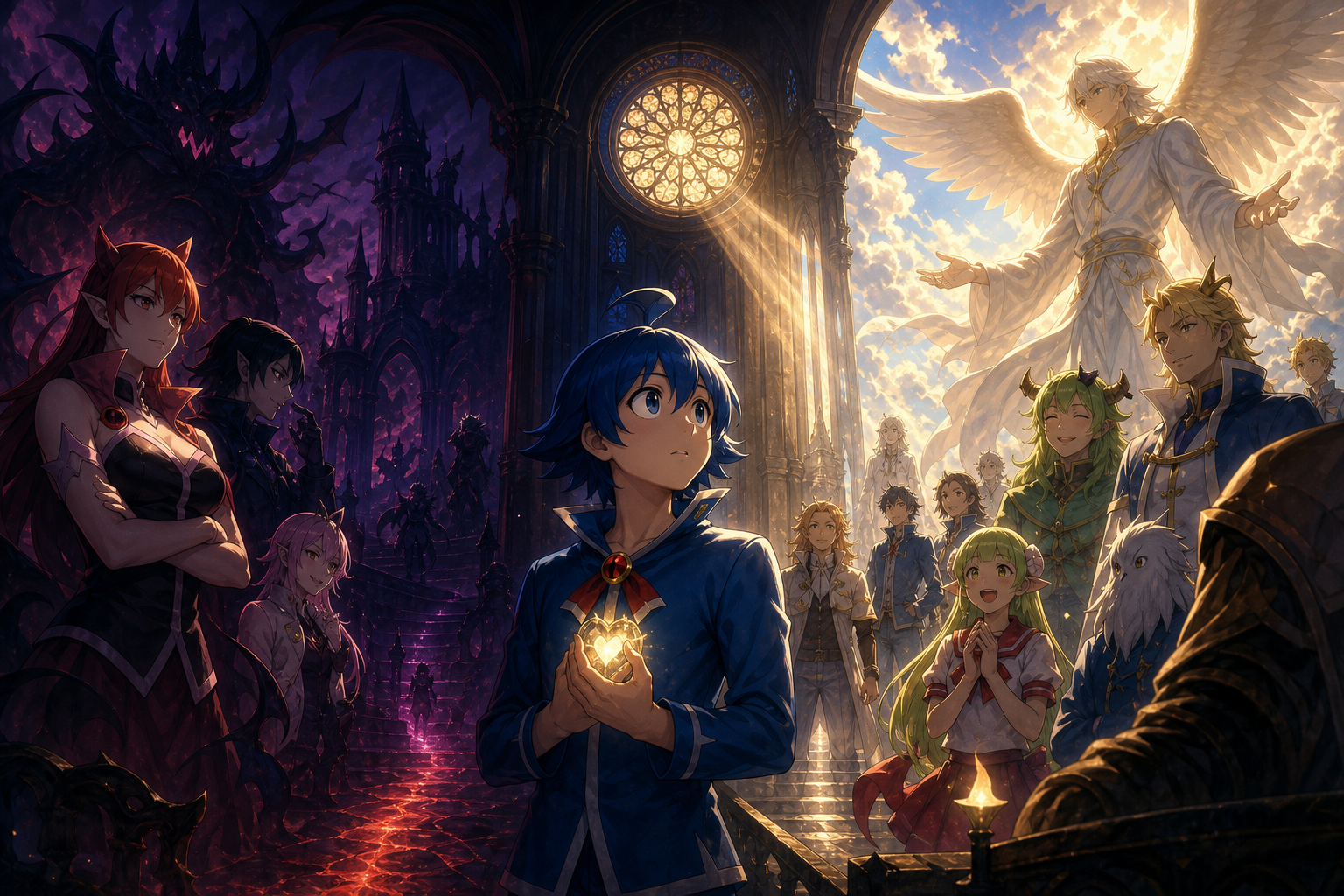
There’s a scene in "Welcome to Demon School! Iruma-kun" that always stands out to me. It’s in Season 1, when Iruma, our eternally kind-hearted protagonist, is put to the test during the Rank Advancement Examination. Facing the fierce beast, Iruma doesn’t resort to brute force or cunning tricks; instead, he shows unexpected empathy, calming the creature with a gentle touch. This is Iruma’s magic: his incredible ability to transform chaos into calm simply by being true to himself.
In the demon world, where strength and ambition rule, Iruma’s approach is a radical departure. His empathy challenges the norm, highlighting strength not through power but through understanding and connection. It’s a reminder of something we often forget: strength isn’t always about overpowering others; sometimes, it’s about reaching out with compassion and patience.
What struck me about this scene is how it echoes a rich biblical truth. Think about Jesus’ teaching of the mustard seed in Matthew 13:31-32. The seed may be small, insignificant even, but when it grows, it becomes a tree offering shelter and life to all around it. Iruma’s gentle spirit starts small, like that seed, in a world that often overlooks kindness.
This is where things get intriguing. The show and scripture together reveal that the smallest actions, rooted in genuine kindness and understanding, can create profound ripples in the world. Iruma’s quiet courage brings peace and unity in a place that’s anything but peaceful. It’s the mustard seed principle in action—a seemingly small act of kindness growing into something larger and life-giving.
The magic of Iruma’s character is that he embodies the essence of great change—one born not of grandeur but of the small, daily decisions to act with love. The demon school’s harsh environment is transformed by Iruma’s unwavering compassion, much like the kingdom of heaven grows from the smallest of seeds.
Reflecting on this, we start asking bigger questions about both the show and our lives. How often do we underestimate the power of simple kindness? How can our small actions create larger impacts in our own communities? Both "Iruma-kun" and the parable call us to consider the profound potential inside what seems ordinary.
As you watch Iruma navigate his way through a world of demons, think about the other characters too. How are they changed by his presence? What seeds are planted through his friendships and actions? Notice how his approach to adversity—patient, gentle, yet resolute—mirrors the parable’s message of steady growth into something life-giving.
In a world where power often overshadows empathy, stories like Iruma’s encourage us to see the strength in compassion. It’s a reminder that transformation doesn’t always roar; sometimes, it whispers, nurtured by the smallest seeds of kindness and understanding.
Discussion Question
In what ways do you see Iruma’s kindness and patience transforming those around him, much like the parable of the mustard seed, and how does this inspire you to impact your world? Let me know in the comments.
Social Share Post
"Who knew #IrumaKun had a biblical twist? 🤔 Discover how Iruma’s quiet strength mirrors the mustard seed parable and what it teaches us about real power. 🌱✨ #AnimeInsights https://bgodinspired.com/index.php/entertainment/tv/embracing-the-unexpected-lessons-from-welcome-to-demon-school-iruma-kun/"
If positive Biblical wisdom matters to you, I’d love your support of the mission
Q&A about Welcome to Demon School! Iruma-kun (2019-Present)
Why would Christians be interested in watching Welcome to Demon School! Iruma-kun?
The show presents themes of friendship, compassion, and overcoming challenges, which can resonate with Christian values. Jesus emphasized loving one’s neighbor and showing kindness (Matthew 22:39). Watching characters grow in these areas can be inspiring for viewers seeking to reflect these principles in their lives.
Is being surrounded by demons and witches in the show appropriate for Christians?
While the show’s demon-themed environment might raise questions, the focus is on character growth and moral lessons. Christians can consider Philippians 4:8, which advises focusing on what is true, noble, and admirable. Assessing whether the content aligns with these values can guide viewers in making wise choices.
How does Iruma-kun’s story relate to the Bible?
Iruma’s journey from a challenging past to finding acceptance mirrors the biblical theme of redemption and new beginnings. 2 Corinthians 5:17 speaks to becoming a new creation in Christ, reminding us that transformation and acceptance are possible regardless of past circumstances.
What can Christians learn from Iruma’s character development?
Iruma’s growth in confidence and compassion can inspire Christians to develop and use their gifts for good. Romans 12:6-8 encourages believers to use their unique abilities to serve others. Observing Iruma’s journey can remind us of the power of perseverance and kindness.