

Achilles heel meaning: one fatal weak spot in something strong. But Homer’s Achilles bleeds from the arm, and the oldest sources say ankle. The real story.
 0
 0
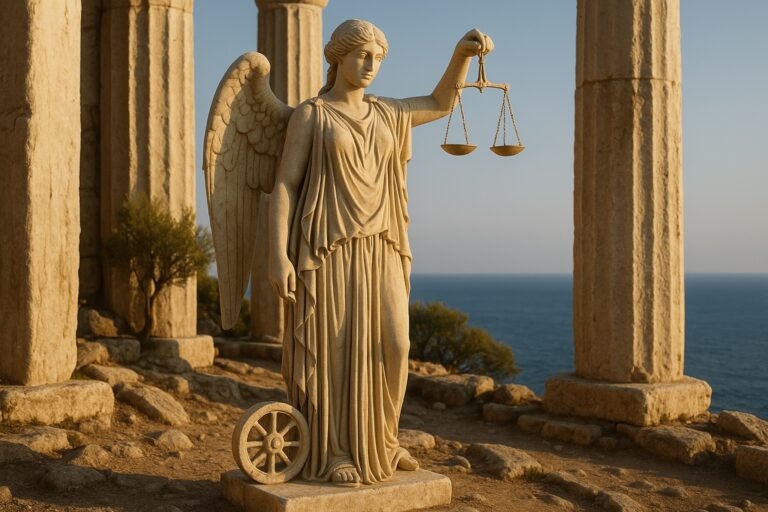
Nemesis Meaning: A Greek Goddess, Not Your Arch-Enemy
Nemesis meaning today: an arch-enemy. To the Greeks, Nemesis was the goddess who gave each person their due. See how the word flipped, and why it matters.
 0
0
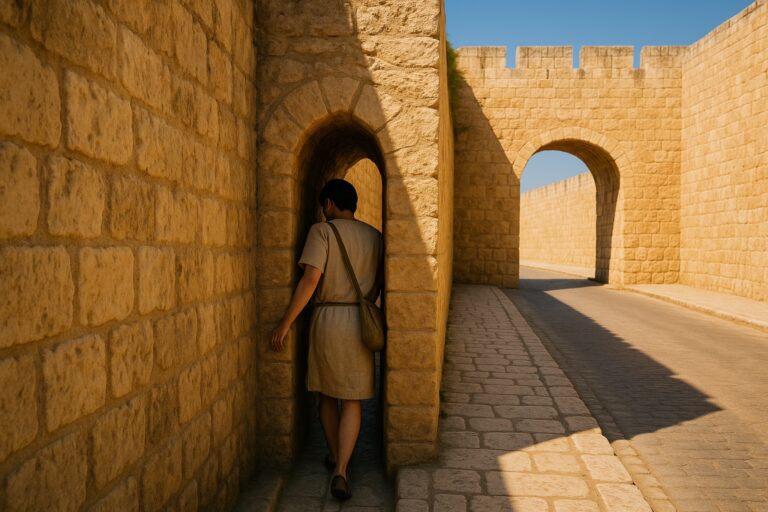
Straight and Narrow Meaning: Jesus Said ‘Strait,’ Not Straight
Straight and narrow meaning: the phrase comes from Matthew 7:14, where the gate is ‘strait’ (tight), not straight. See what Jesus was really describing.
 0
0
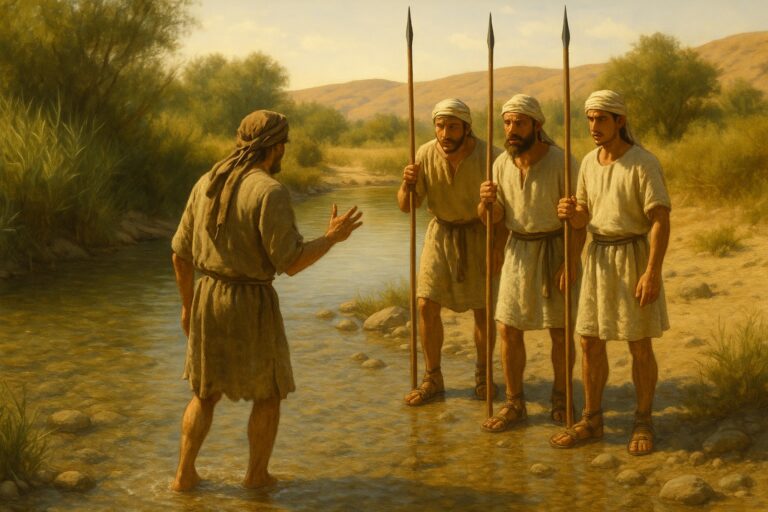
Shibboleth Meaning: The One Word at a River That Decided Who Lived
Shibboleth meaning: a word or habit that shows who belongs. It began in Judges 12, where one sound decided who lived. See how Pentecost turned the test around.
 0
0
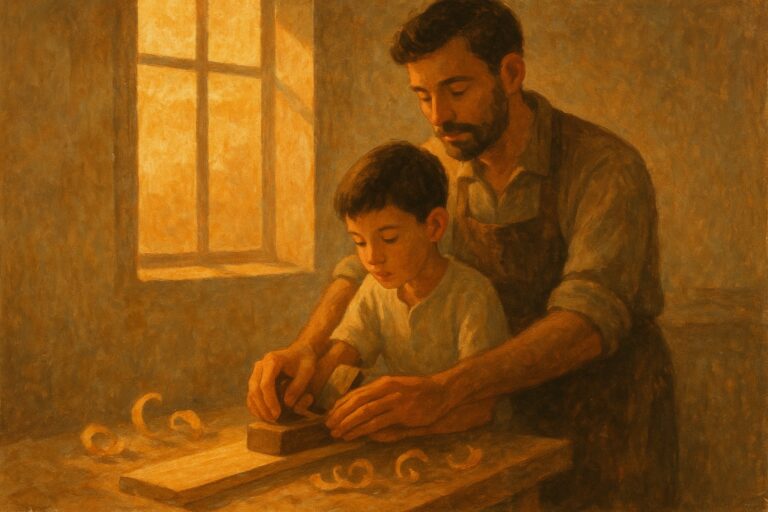
Hebrew Word for Discipline: What Does “Musar” Really Mean?
Musar (מוּסָר, Strong’s H4148) is the Hebrew word for discipline, a father’s word for training a child, translated “instruction” far more often than “chastening,” and the same word Isaiah 53:5 uses for the chastisement that brought us peace.
 0
0
Hubris Meaning: In Athens It Was a Crime With a Victim
Hubris meaning today: too much pride. In ancient Athens, hubris was a crime you did to another person. See what the word first meant and why it still matters.
 0
0
Pyrrhic Victory Meaning: The Win That Costs Too Much
Pyrrhic victory meaning: a win that costs so much it is close to a loss. See the real quote from King Pyrrhus and the question a friend asked before the war.
 0
0
Cassandra Meaning: Cursed to Tell the Truth and Never Be Believed
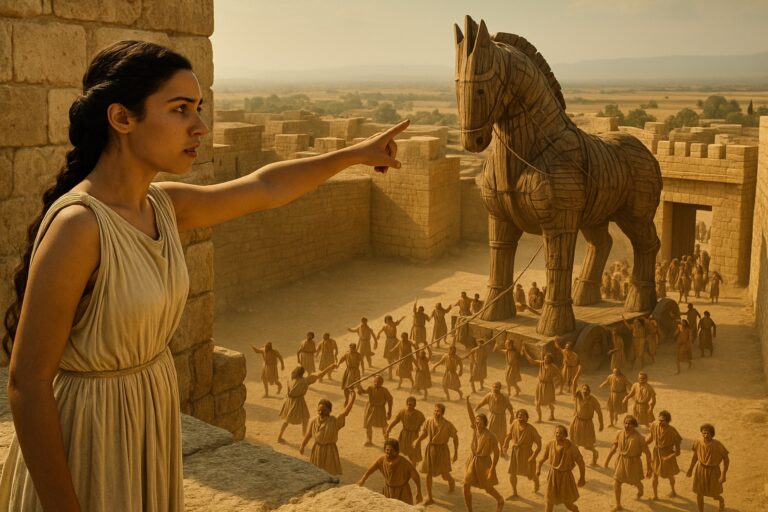
Cassandra meaning: the Greek princess who always told the truth and was never believed. Where the curse came from, what a “Cassandra” is today, and what helps.
 0
0
Invictus Poem Meaning: Henley’s Other Hospital Poem
The Invictus poem was written in an 1875 hospital bed by a man fighting to keep his leg. Full text, meaning, and the other poem he wrote there that changes it.
 0
0
Bible Verses About Kindness: The King Who Went Looking
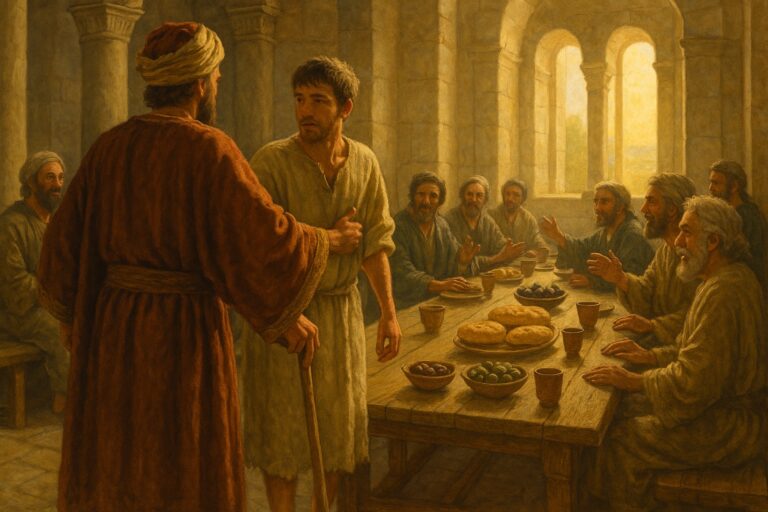
Bible verses about kindness, read in context. In 2 Samuel 9 a king asks who is left that he can be kind to, then sends for a man who expected to die.