 0
0
 0
0
Scientists Discover Remarkable New Monkey Species in the Heart of the Congo
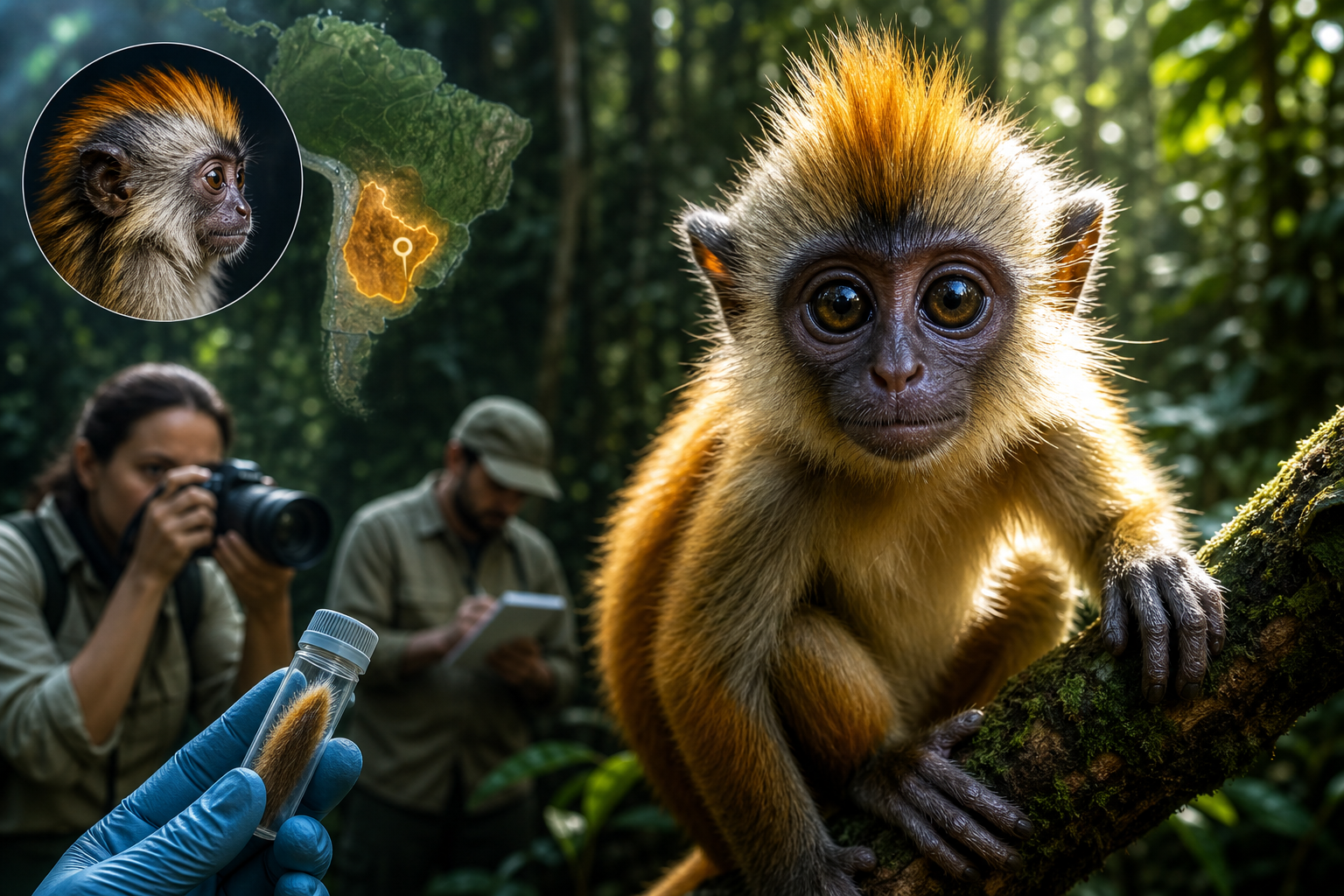
In a groundbreaking discovery, scientists have unveiled a striking new species of monkey hidden deep within the dense rainforests of the Democratic Republic of the Congo. Known for its distinct orange lips, the monkey has captured the attention of both scientists and nature enthusiasts worldwide, emphasizing the importance of biodiversity and conservation efforts.
The newly identified species, which researchers believe has been thriving in isolation for many years, reveals a great deal about the rich tapestry of life that exists within the vast confines of the Congo rainforest. This discovery serves as a vivid reminder of the beauty and complexity of God’s creation, resonating with the biblical principle that all creatures have their place in the world.
Highlights of the Discovery
- The new monkey species, yet to be fully named, sports bright orange lips that set it apart from its relatives.
- It has been described as “hiding” within its habitat, eluding even the most seasoned researchers until now.
- The finding underscores the urgent need for conservation measures to protect not only this species but also countless others at risk as their habitats face increasing threats.
As we reflect on this important find, we are reminded of the words from Psalm 104:24-25: “How many are your works, Lord! In wisdom you made them all; the earth is full of your creatures.” This verse highlights the creativity and majesty of the natural world, encouraging us to appreciate the intricacies of God’s creation.
The significance of this discovery extends beyond mere scientific interest; it calls into question how we, as stewards of the Earth, engage with our environment. By recognizing our responsibility to protect such unique species, we can embody the compassion and care taught by Jesus, who valued all of creation and admonished us to be responsible caretakers of the world around us.
Connecting with Creation
In addition to scientific curiosity, this find encourages a spiritual reflection on our connection to all living beings. Just as the newly discovered monkey has its role in the ecosystem, so too do we have a purpose within God’s design. Our interactions with nature can serve as a reminder of our shared responsibility to care for the world.
As you consider this new species, think about how you can contribute to the conservation of nature. Whether through supporting local conservation efforts or simply raising awareness, every action counts.
In conclusion, the discovery of this new monkey species challenges us to marvel at nature and recognize our role within it. As we appreciate the beauty of God’s creation, let’s commit ourselves to protect it, ensuring that future generations will also be able to witness the wonders of wildlife.
With the life lessons intertwined in this scientific revelation, let your curiosity lead you to deeper reflections on both the natural world and your part in it.
If you want to want to know more about this topic, check out BGodInspired.com or check out specific products/content we’ve created to answer the question at BGodInspired Solutions
If positive Biblical wisdom matters to you, I’d love your support of the mission
Q&A about
Why should we care about a new species of monkey?
The discovery of a new species reflects the beauty and diversity of God’s creation, reminding us of His creativity in Genesis, where everything He made was "very good." Caring for these creatures aligns with our calling to be stewards of the earth, as outlined in Genesis 1:28, where we are tasked to fill the earth and subdue it.
How does finding new species relate to our faith?
Finding new species can deepen our appreciation for God’s handiwork and enhance our understanding of His design. In Matthew 6:26, Jesus speaks of the care God provides for even the smallest creatures, indicating that every part of creation, including newly discovered species, is valuable in His sight.
What can we learn from this monkey’s unique traits?
The unique traits of this new monkey may illustrate the wonder and complexity of God’s creation, showing that each being has a purpose. In Psalm 139:14, we are reminded that we are "fearfully and wonderfully made," encouraging us to marvel at the intricacies of all of God’s creations, including this new species.
How should we respond to scientific discoveries like this?
We should respond with gratitude and a sense of responsibility, recognizing that scientific discoveries provide insights into God’s design. As Christians, we can reflect on Romans 1:20, which teaches us that God’s invisible attributes are clearly seen through His creation, encouraging us to appreciate and protect the biodiversity God has entrusted to us.