 0
0
 0
0
Tensions Rise: Zelenskyy Returns Polish Honor Amid Controversy
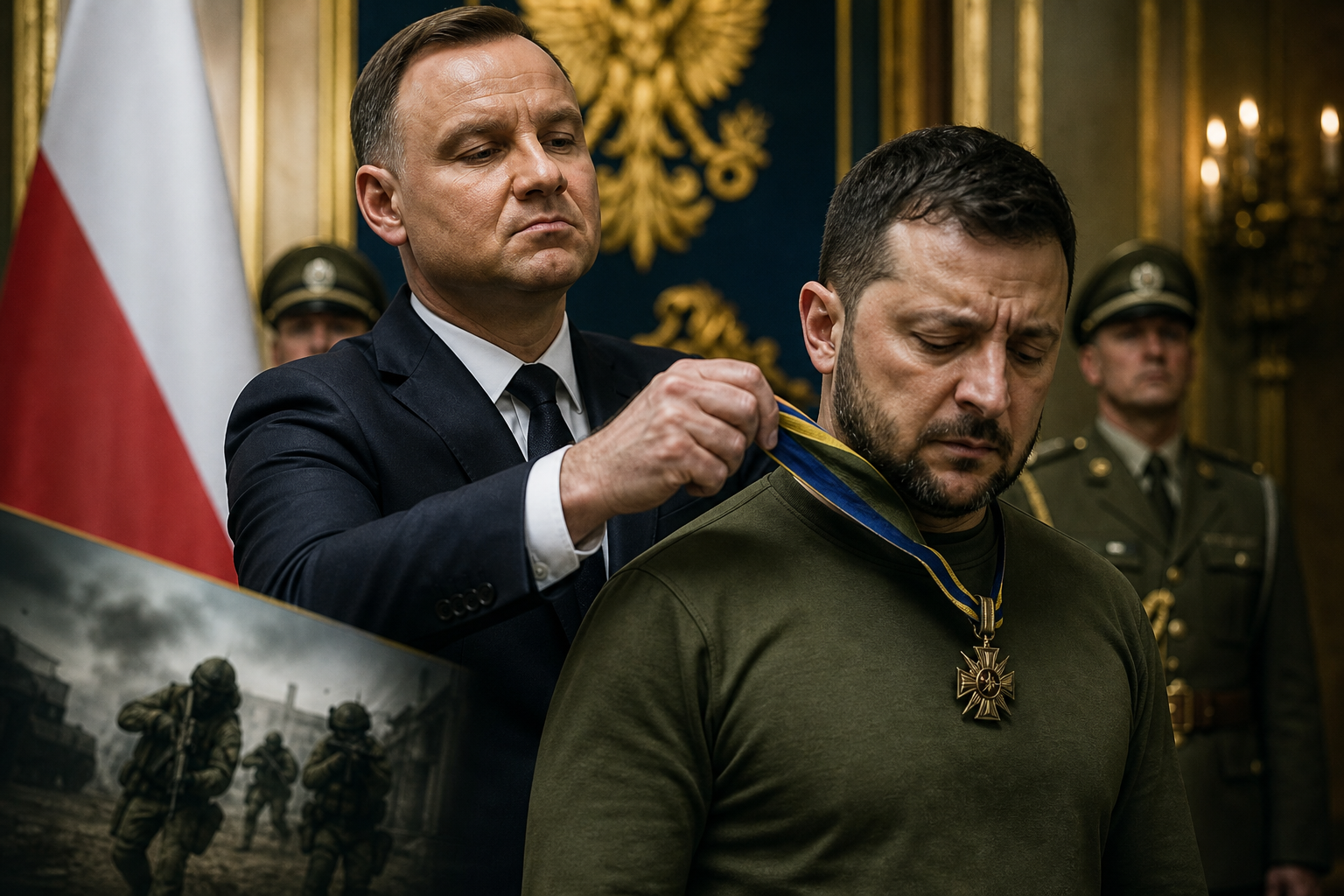
In a surprising turn of events steeped in rising tensions, Ukrainian President Volodymyr Zelenskyy has returned the prestigious Order of the White Eagle to Poland. This act comes after Polish President Andrzej Duda stripped Zelenskyy of the honor, attributed to the naming of a Polish special forces unit after a WWII group synonymous with atrocities.
The controversy began when Poland’s special forces renamed a unit in a manner that many found deeply distressing, linking it to a group responsible for a tragic chapter in history. President Duda’s decision to revoke Zelenskyy’s honor reflects not just a diplomatic spat, but a reflection of deeper historical grievances. With both nations striving for unity in the face of external threats, this incident complicates their alliance, especially as the conflict in Ukraine persists.
Zelenskyy’s response—symbolically returning the medal—highlights the personal and national stakes involved. While he at one time held this medal in esteem, its return signifies a breaking point for the Ukrainian leader. This act can be seen as a desperate plea for reconciliation and understanding amidst historical wounds.
Within this charged political climate, one might draw parallels to enduring biblical principles of reconciliation and forgiveness, essential when navigating complex relationships. Jesus taught in Matthew 5:23-24, “So if you are offering your gift at the altar and there remember that your brother has something against you, leave your gift there before the altar and go. First be reconciled to your brother, and then come and offer your gift.”
This scripture invites reflection on the necessity of healing and understanding in the face of conflict. In looking toward a future grounded in peace rather than division, Zelenskyy’s bold action reminds us that even in difficult political landscapes, the higher call to unity can beckon.
As we witness this unfolding narrative, let it compel us to seek understanding and reconciliation in our own lives. Just as historical grievances challenge the ties between nations, personal conflicts can weigh heavily on our relationships. In seeking peace, may we reflect on how we can embody forgiveness and pave the way for a more hopeful dialogue moving forward.
Takeaway
In a world fraught with division, let each encounter be an opportunity to sow seeds of peace and understanding. How might you approach a difficult relationship with the intention of reconciling differences?
If you want to want to know more about this topic, check out BGodInspired.com or check out specific products/content we’ve created to answer the question at BGodInspired Solutions
If positive Biblical wisdom matters to you, I’d love your support of the mission
Q&A about
Why did the Polish president strip Zelensky of honor?
The decision was reportedly linked to the renaming of a special forces unit, which may have political and historical implications. In times of conflict and leadership changes, it’s important to remember Jesus’ call for unity and forgiveness among nations, as seen in Matthew 5:9, where peacemakers are called “children of God.”
What does this mean for Poland’s relationship with Ukraine?
Changes like this can strain relationships and foster division, which goes against the biblical principle of loving one’s neighbor. As Jesus taught in Matthew 22:39, we are called to love others as ourselves, so it’s vital for leaders to seek reconciliation rather than conflict.
How should I view the politics of this situation as a Christian?
As believers, we’re reminded in Romans 13:1 that all authority comes from God, and we are called to respect those in power. However, this doesn’t mean we shouldn’t hold leaders accountable for their decisions and their impact on peace and justice, urging them to act with wisdom and compassion.
What lessons can we draw from this situation about leadership?
Leadership comes with the responsibility to act justly and seek peace, as highlighted in Proverbs 16:12, where it says kings commit acts of injustice. In all leadership roles, Christ’s example shows us the importance of serving others and promoting harmony, rather than allowing pride or ego to dictate actions.