 0
0
 0
0
Over 69,000 Palestinians Lost Amid Ongoing Israel-Hamas Conflict: A Call for Compassion and Reflection
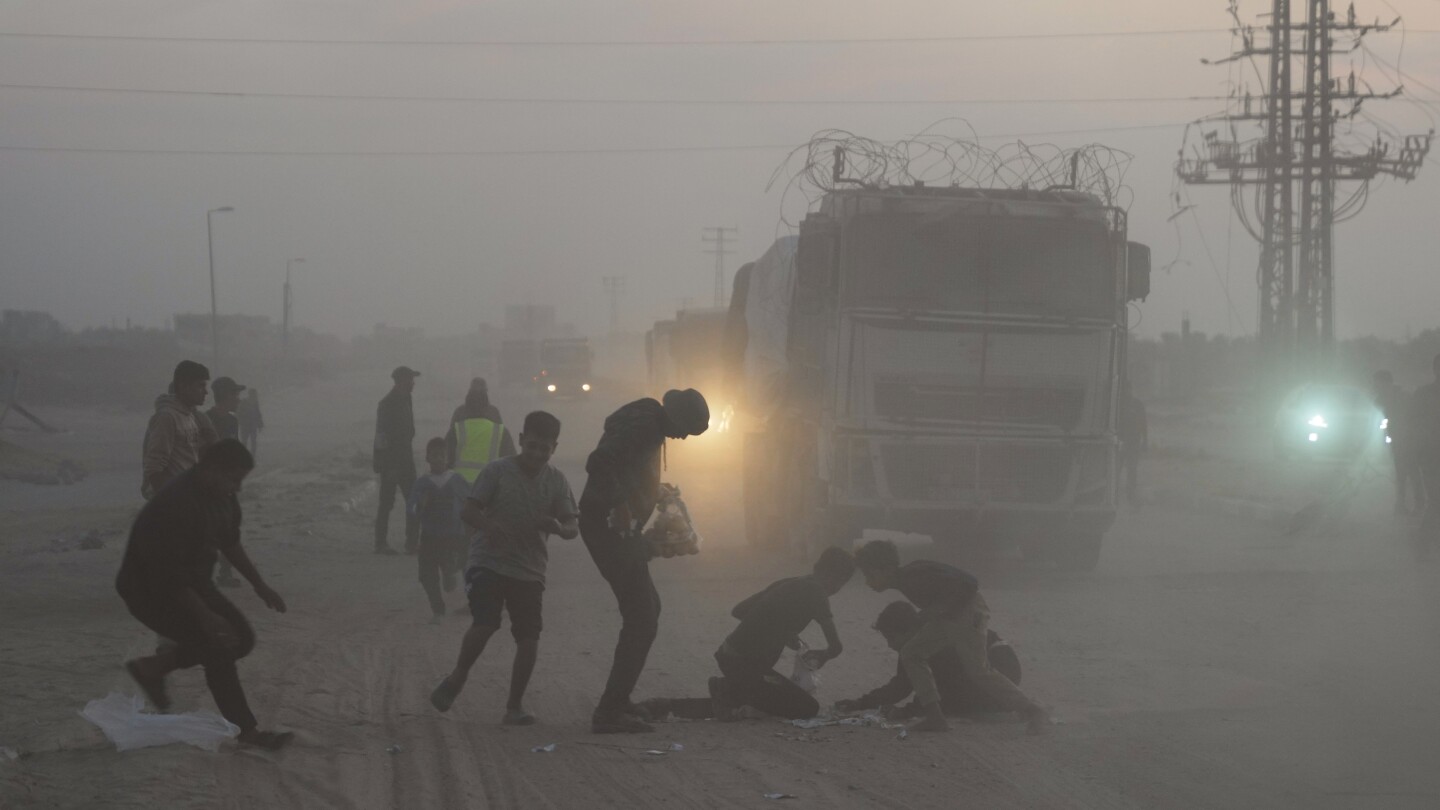
Khan Younis, Gaza Strip (AP) — In a deeply troubling escalation of violence, more than 69,000 Palestinians have reportedly lost their lives during the ongoing Israel-Hamas war, according to Gaza health officials. As both sides participated in a somber exchange of remains, it becomes increasingly evident that this conflict is not just a statistic; it represents profound human tragedy.
The latest increases in the death toll stem from efforts to recover and identify bodies in the shattered landscapes of Gaza following a ceasefire initiated on October 10. In these challenging circumstances, it’s crucial to remember the biblical call to compassion amidst suffering. The exchange of remains, which includes returning 15 deceased Palestinians for each Israeli hostage returned, highlights the complex intertwining of loss and hope in these trying times.
Reflections of Jesus’ teachings on love and reconciliation resonate here. He taught that “blessed are the peacemakers, for they will be called children of God” (Matthew 5:9). In contrast to the current violence, such peace is sorely needed today—not just between nations, but in the hearts of all involved.
Recently, as Israeli settlers reportedly engaged in violent confrontations with Palestinian farmers in the West Bank, the cycle of aggression perpetuates a narrative of fear and retaliation. Amid these exchanges, the U.N. notes a spike in settler violence during this year’s olive harvest, with over 260 recorded attacks in October alone. This atmosphere of hostility indicates a deeper societal fracture, but it’s crucial to consider the opportunity for understanding and healing.
The forensic director Ahmed Dheir highlighted the struggle many families face, underscoring that hope still lingers for the return of missing loved ones. For some, the burden of uncertainty is unbearable—a sentiment echoed in the experience of one mother who stated, “I have not lost hope.” In times of despair, it’s vital to hold onto hope, reinforcing our shared humanity and the belief that reconciliation can be sought.
In the face of violence and loss, let us remember that healing begins with understanding rather than further division. It serves as a reminder of Jesus’ ultimate message of love transcending enmity, urging us toward compassion for those suffering.
As our hearts go out to the families affected by this ongoing conflict, let us commit to praying for peace and understanding. In doing so, we align ourselves with the biblical principle that calls for unity in times of distress—“Bear one another’s burdens, and so fulfill the law of Christ” (Galatians 6:2).
Takeaway: Despite the conflict’s darkness, there lies a potent light in unity and reconciliation. As we reflect on our own lives, let’s consider how we can be instruments of peace in our communities, fostering compassion and understanding, even in the most challenging of times.
Explore and dig up answers yourself with our BGodInspired App. Be careful – each interaction is like a new treasure hunt… you can get lost for hours 🙂