 0
0
 0
0
Title: Navigating the AI Divide: Misconceptions and Misgivings in America
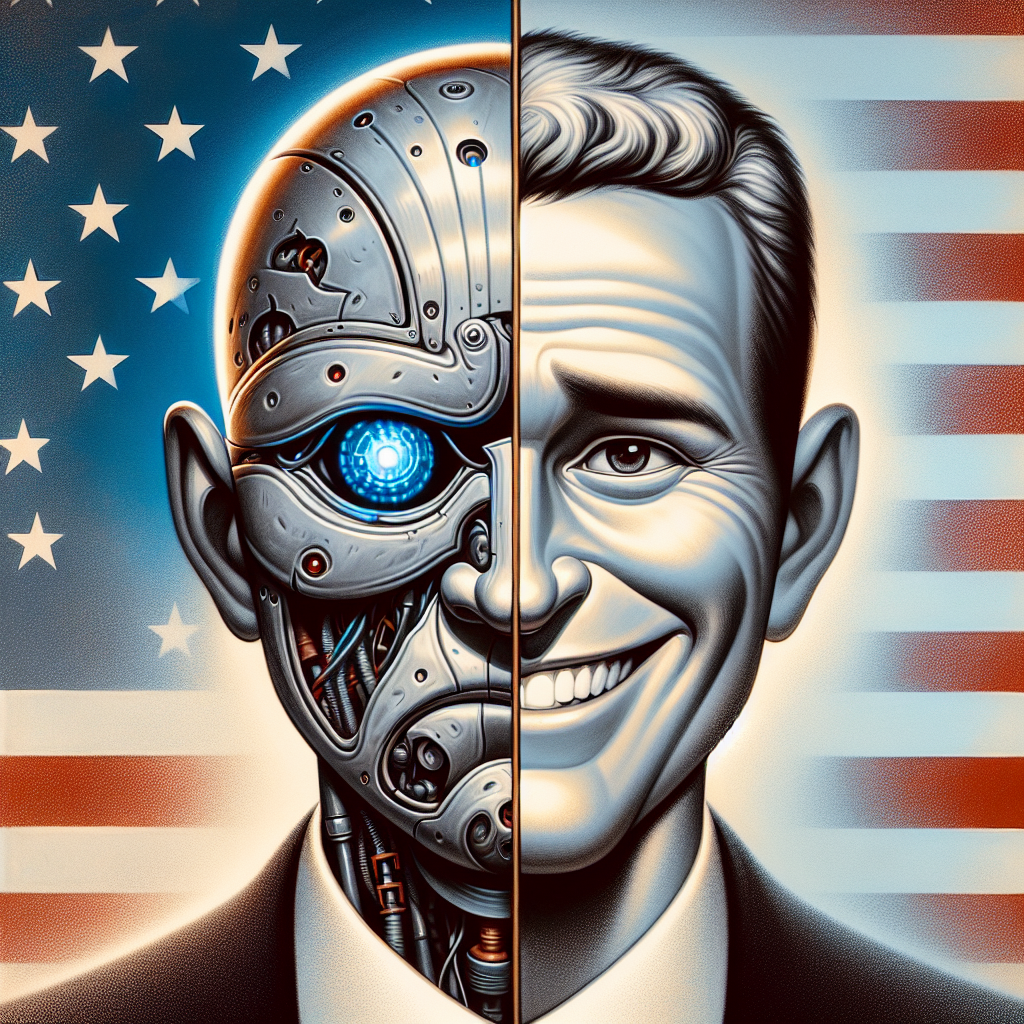
As artificial intelligence continues to advance at an unprecedented pace, a significant portion of the American population appears wary of its implications. Recent surveys reveal an increasing skepticism toward AI technologies, largely attributed to two prominent caricatures that have infiltrated public discourse. This pervasive unease raises important questions about how we perceive progress and innovation, evoking reflections from both a cultural and a biblical perspective.
The two main characters at the heart of this skepticism are the dystopian view of AI as an existential threat and the more simplistic portrayal of AI as merely a tool devoid of moral or ethical dimensions. Together, these misconceptions obscure the genuine potential for AI to enhance human life and empower communities. Yet, the negative narratives resonate strongly, encouraging a broad rejection rather than a reasoned acceptance or examination of AI’s complexities.
The Call for Discernment
In a world where technology can serve as both a blessing and a challenge, discerning between beneficial and harmful applications becomes critical. The biblical principle of wisdom resonates here: “Wisdom is the principal thing; therefore, get wisdom. And with all thy getting, get understanding” (Proverbs 4:7). This call for discernment emphasizes the importance of understanding both the capabilities and limitations of AI, urging us to explore its positive potential rather than fearfully retreating into skepticism.
As discussions surrounding AI evolve, it becomes evident that a balanced perspective is necessary. Embracing the benefits of technological advancement while remaining vigilant about ethical concerns reflects a conscientious approach aligned with positive biblical principles, such as stewardship and community benefit.
Bridging the Divide
To fortify this bridge between innovation and tradition, it is imperative that we recognize the potential of AI to serve as a collaborative tool. Whether enhancing education, improving healthcare, or fostering creativity, the impact of AI can echo the teachings of Jesus, who advocated for compassion, understanding, and service to others. By focusing on how these technologies can honor and uplift individuals rather than dehumanize, we cultivate a dialogue that nurtures hope rather than fear.
In conclusion, while the caricatures surrounding AI may provoke apprehension, they also offer an opportunity for critical reflection and thoughtful engagement. As we move forward, let us embody the spirit of inquiry and faith that can guide us in navigating the complexities of our evolving world.
In an age characterized by uncertainty, consider this encouragement: “For I know the plans I have for you, declares the Lord, plans to prosper you and not to harm you, plans to give you hope and a future” (Jeremiah 29:11). May this promise inspire us to approach new technologies with hope and discernment, viewing them as instruments for good in a world ripe for positive change.
If you want to want to know more about this topic, check out BGodInspired.com or check out specific products/content we’ve created to answer the question at BGodInspired Solutions