 0
0
 0
0
Coal’s Unexpected Resurgence in the Face of Crisis
In an unsettling turn of events, many countries that once pledged to phase out coal power are now re-evaluating their commitments in light of a global energy crisis. Five years ago, over 40 nations made commitments at the COP26 UN Climate Summit to reduce and ultimately end unabated coal power by 2030-2040. Fast forward to today, and the Group of Seven (G7) nations—comprising the United States, United Kingdom, Canada, France, Germany, Italy, and Japan—also committed to exiting coal power between 2030 and 2035. Yet, as crises unfold, the allure of cheap and abundant coal is proving hard to resist.
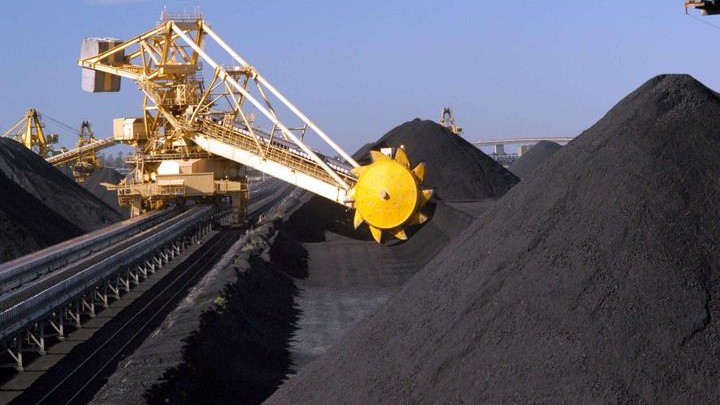
The ongoing conflict in the Middle East has driven up natural gas prices, prompting several countries to revert to coal as a more stable and cost-effective energy source. Countries including India, South Korea, and Germany—each with their own ambitious green energy targets—are now witnessing a revival in coal usage, exacerbated by unprecedented demand, particularly during extreme weather events such as heatwaves.
In India, electricity demand has reached an all-time high of 257 GW, with coal-fired plants supplying over 75% of power during peak periods. The government has ordered the full operational capacity of coal plants, particularly those using imported fuel, while also bringing idle gas-fired plants back online. This pivot underscores a crucial point: in times of crisis, nations often prioritize immediate needs over long-term commitments to clean energy.
Similarly, South Korea has ramped up coal-generated electricity by more than one-third. Facing soaring liquefied natural gas (LNG) prices, the country has lifted regulatory caps on coal plant output, dramatically increasing coal imports, particularly from Russia. With nuclear plants also being utilized at higher capacities to mitigate supply risks, South Korea’s energy strategy illustrates the tension between short-term solutions and long-term sustainability.
In Europe, countries like Germany and Italy are grappling with the same dilemma. Germany’s planned phase-out of coal stations is under scrutiny, with officials announcing that existing coal plants might need to operate longer than initially expected. Italy has even postponed its coal phase-out deadline from 2025 to 2038, citing geopolitical tensions and oil supply shortages.
The resurgence of coal power, known for its significant contributions to greenhouse gas emissions, poses a challenge to the global clean energy transition. Coal remains the largest single driver of climate change, responsible for approximately 40% of greenhouse gas emissions and 70% of energy-related combustion increases. Even so, the decline in costs for renewable energy technologies offers a glimmer of hope. Solar and wind energy are now significantly cheaper than coal, with the Levelized Cost of Energy (LCOE) for renewables remaining far below that of new coal plants.
Reflecting on these developments, we are reminded of the biblical principle found in Matthew 7:24-25: “Therefore everyone who hears these words of mine and puts them into practice is like a wise man who built
If you want to want to know more about this topic, check out BGodInspired.com or check out specific products/content we’ve created to answer the question at BGodInspired Solutions
If positive Biblical wisdom matters to you, I’d love your support of the mission
Q&A about
Why are countries turning back to coal for energy?
Many countries are reverting to coal due to the immediate economic pressures and energy shortages they face. In times of crisis, it can be tempting to prioritize short-term gains over long-term stewardship. However, Scripture reminds us in Matthew 6:19-21 that we should store up treasures in heaven rather than rely solely on earthly solutions.
Is using coal really a bad thing for the environment?
While coal provides a reliable source of energy, its use significantly harms our environment. As stewards of God’s creation, we hold a responsibility to care for the planet, reflecting Romans 8:19-21, which speaks to creation longing for redemption. This perspective encourages us to seek sustainable energy solutions that honor God’s gift of creation.
How should Christians respond to the global energy crisis?
Christians are called to respond to challenges with faith and wisdom, looking for solutions that align with God’s principles. In James 1:5, we’re encouraged to ask God for wisdom, which can lead us to innovative, responsible ways to meet our energy needs without compromising ethical stewardship of the Earth.
Does the Bible have anything to say about our reliance on fossil fuels?
The Bible emphasizes responsible management of resources, which can include our energy sources. As seen in the parable of the talents (Matthew 25:14-30), God expects us to use what we’ve been given wisely. Reflecting on this, we must consider how our reliance on fossil fuels aligns with our call to care for God’s creation and future generations.