 0
0
 0
0
NASA’s Aging Infrastructure Faces Increased Demand from Private Space Ventures
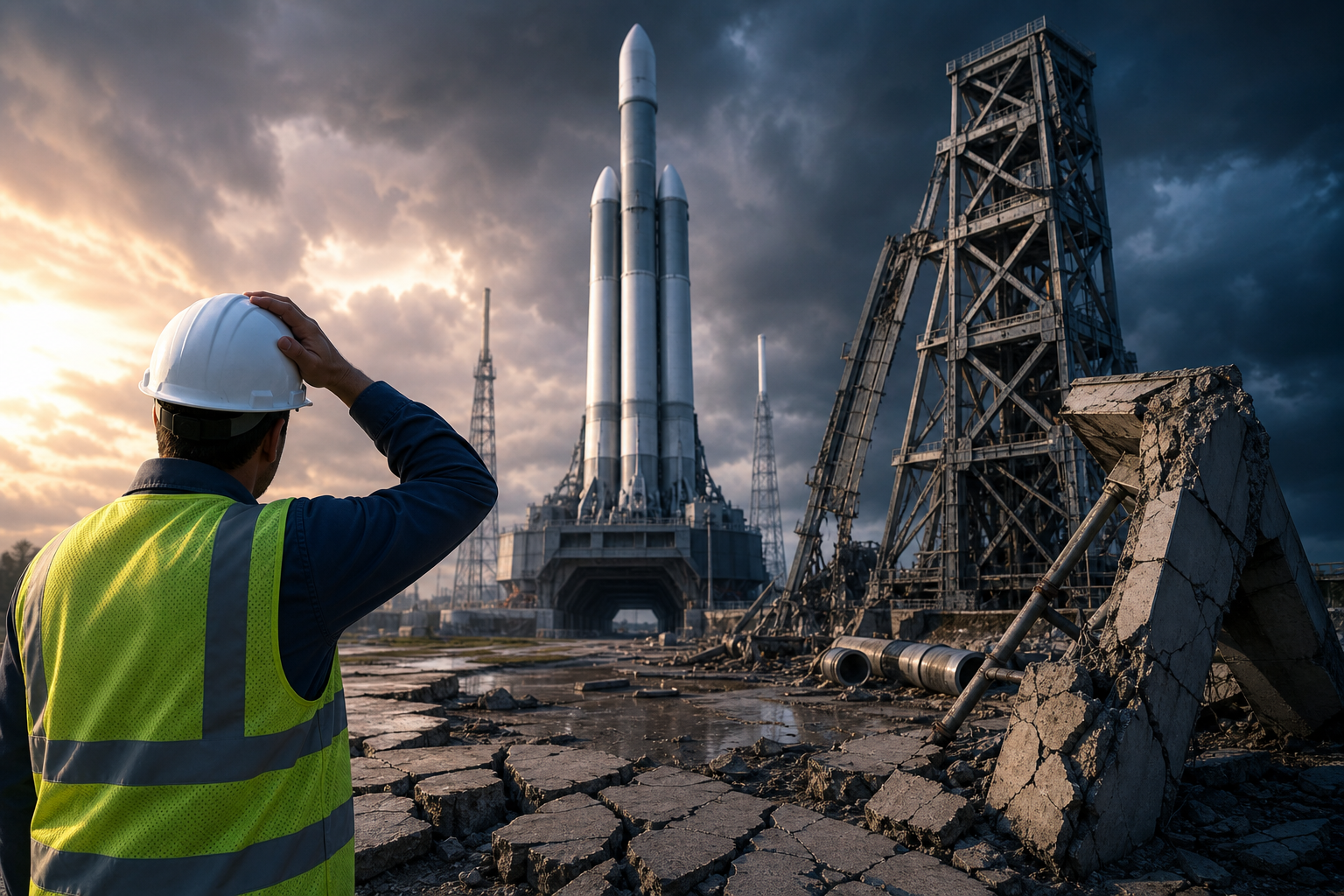
NASA’s Kennedy Space Center, a pivotal hub for American space exploration, is grappling with aging facilities that may soon be overwhelmed by rising demand from commercial partners like SpaceX and Blue Origin, according to a new report by the NASA Office of Inspector General.
The report highlights that NASA’s launch infrastructure is not only crucial for the agency’s own missions but also serves other government entities and commercial partners engaged in ambitious space endeavors. “NASA’s launch infrastructure is vital to providing the agency, other government agencies, and commercial partners access to space for their most complex and expensive missions,” it states. However, the report reveals a growing disconnect between demand and capability, indicating that existing facilities often lack the capacity to meet increasing needs.
While the report examines launch sites in both Florida and Virginia, the spotlight falls on the Kennedy Space Center. The center’s limited launch pads, including the much-utilized Launch Complex 39A, leased by SpaceX, and the NASA-operated Complex 39B, must now accommodate a surge in activity from programs like SpaceX’s Starship and Blue Origin’s New Glenn. As space exploration continues to expand, these limitations raise questions about sustainability and growth.
Transitioning from aging infrastructure to emerging possibilities, NASA has initiated a new site, Launch Complex 48, designed to be leased to small launch vehicle companies. This development is supported by a backdrop of neighboring facilities, such as Cape Canaveral Space Force Station, which boasts a more extensive array of launch pads, including those leased by Blue Origin.
In our modern plight—mirroring challenges faced in biblical times—we see how communities can become stretched by growth. This situation reminds us of the importance of stewardship and preparation, both in material and spiritual realms. In the Bible, the story of the wise builder (Luke 14:28-30) teaches us that evaluating and planning for future needs is crucial, emphasizing that we should anticipate growth and challenges with wisdom and foresight.
As we reflect on NASA’s situation, let it inspire us to consider our own lives and communities. Are we prepared for the increasing demands we face? As opportunities blossom, are we cultivating the right resources to flourish both individually and collectively?
In conclusion, the challenges faced by NASA’s Kennedy Space Center serve as an important reminder for us all. They invite us to act as diligent stewards, ensuring that we are ready not only for our own lofty aspirations but also to uplift and support those around us. In doing so, we echo the biblical principle that encourages purposeful living committed to growth and service.
Let us pray and endeavor to embrace the journey, always prepared for what lies ahead.
If you want to want to know more about this topic, check out BGodInspired.com or check out specific products/content we’ve created to answer the question at BGodInspired Solutions
If positive Biblical wisdom matters to you, I’d love your support of the mission
Q&A about
Could the challenges at Kennedy Space Center show us anything about preparedness in our own lives?
The challenges at Kennedy Space Center might remind us of the wisdom in being prepared for the future. Jesus spoke about the wise man who built his house on the rock, emphasizing the importance of a strong foundation (Matthew 7:24-25). In our own lives, being spiritually prepared can guide us through uncertainties.
How should Christians view the setbacks in space exploration, especially regarding God’s creation?
Setbacks in space exploration can be seen as opportunities to reflect on our role as stewards of God’s creation. The Bible teaches us that we are to have dominion over the earth (Genesis 1:28), suggesting our responsibility to care for and understand it better. Every discovery and challenge can deepen our appreciation for God’s intricate design.
Is there a biblical perspective on the excitement surrounding super heavy rockets?
The excitement about advances like super heavy rockets can remind us of God’s command to explore and multiply (Genesis 1:28). As we push the boundaries of what we know, we honor the creativity bestowed upon us as His image-bearers. This pursuit can inspire us to marvel at God’s infinite wisdom.
What can we learn about perseverance from the delays in becoming ready for super heavy rockets?
Delays and setbacks in reaching goals, like those at Kennedy Space Center, can teach us perseverance. Scripture encourages us to run with endurance the race set before us (Hebrews 12:1), showing that challenges can strengthen our resolve. Trusting in God’s timing helps us remain steadfast in faith, even when plans don’t go as expected.