 0
0
 0
0
The Roots of Human Intelligence: Tracing Our Social Evolution
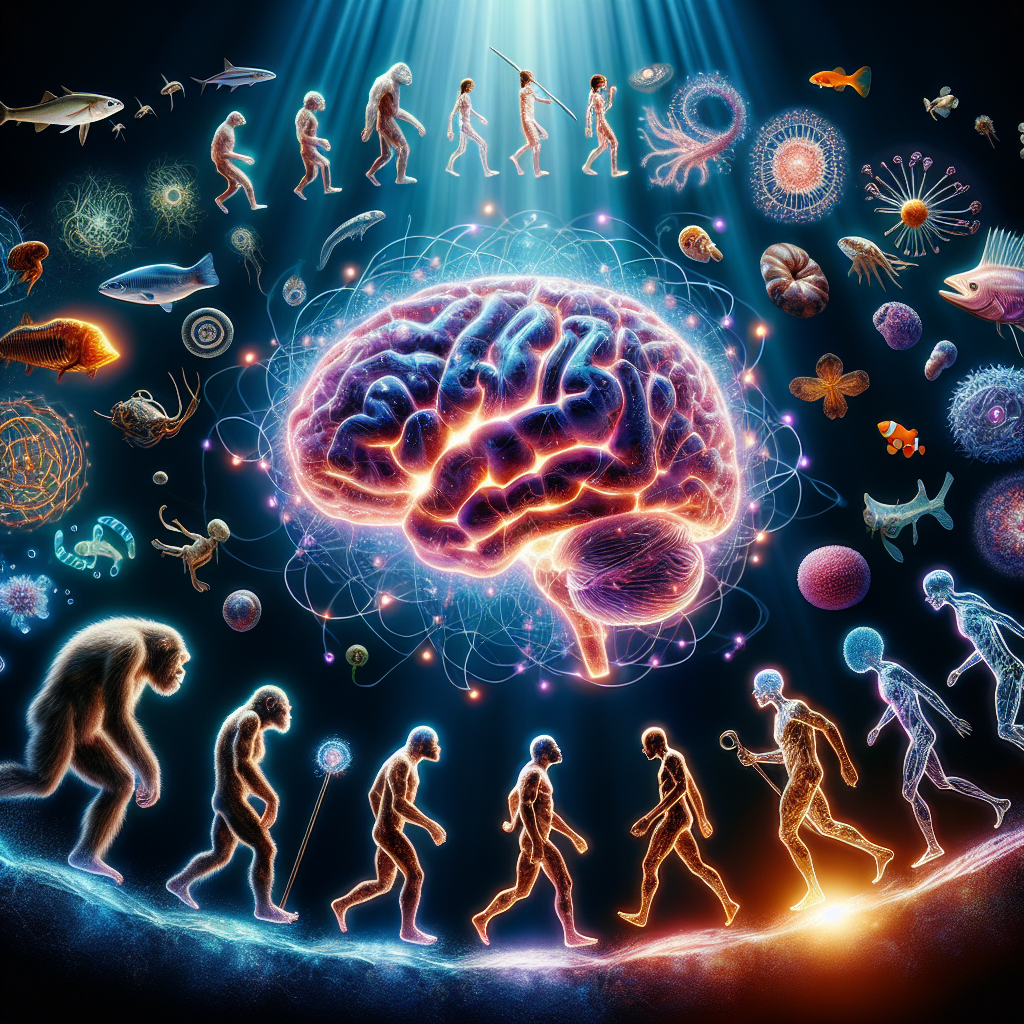
In a compelling exploration of human consciousness, Nikolay Kukushkin, a neuroscientist from New York University, boldly asserts that our quest for intelligence may be rooted more in social interactions than in sheer survival. His upcoming book, One Hand Clapping: Unraveling the Mystery of the Human Mind, posits that the complexities of social living shaped our cognitive abilities, challenging long-standing assumptions about the evolution of human intelligence.
In a landscape where explanations of humanity’s uniqueness often center around survival tactics—including bipedalism and dietary changes—Kukushkin invites us to reconsider. He introduces the "social brain hypothesis," suggesting that the need to navigate intricate social networks was a primary catalyst for our cognitive advancement. This hypothesis stands as a bold counterpoint to traditional views that assume intelligence is an inherent goal for all species.
Why Human Intelligence?
Kukushkin highlights that intelligence brings significant costs, demanding immense energy and resources—our brains consume ten times more nutrients than an average gram of human tissue. Evolution would naturally favor traits that provide more benefits than costs, prompting a critical question: Why did we invest so heavily in intelligence?
The answer, as Kukushkin discusses, may reside in our relationships. By examining the cerebral cortex size across primate species alongside their typical group sizes, it becomes clear that our brains have evolved to tackle the complexities of a social setting—characterized by intricate webs of relationships and interactions. Humans, with our notably larger brains and social circles averaging around 150, top this curve, suggesting that our intelligence developed as a means to manage social intricacies rather than solely for survival.
A Broader Context
This narrative resonates with biblical principles, reminding us of the interconnectedness prescribed in Scripture. In a world that often promotes individualism, the Bible teaches that we are “better together” (Ecclesiastes 4:9-10). Just as Kukushkin underscores the social obligations that require intelligence, such relationships reflect Jesus’ call to love and support one another.
Ecclesiastes 4:9-10 reminds us, "Two are better than one, because they have a good reward for their toil. For if they fall, one will lift up his fellow." This reflects not only the social fabric Kukushkin describes but also illuminates the foundational importance of community in shaping who we are.
An Invitation to Reflect
Kukushkin’s insights encourage us to consider how our relationships enrich our lives, challenging us to foster genuine connections. In this age of social separation, it’s essential to remember that our well-being—both mentally and spiritually—thrives within community.
As you reflect on these ideas, consider the broader implications: What role do your relationships play in your life? How can you cultivate a deeper connection with others to enrich both your intelligence and spirit?
In a world where the pursuit of knowledge often overshadows the value of relationships, Kukushkin’s findings encourage us to embrace the communal foundations of our existence—a God-given design for thriving together.
Explore and dig up answers yourself with our BGodInspired App. Be careful – each interaction is like a new treasure hunt… you can get lost for hours 🙂