 0
0
 0
0
Global Land Vulnerability to Disease Outbreaks: A Growing Concern
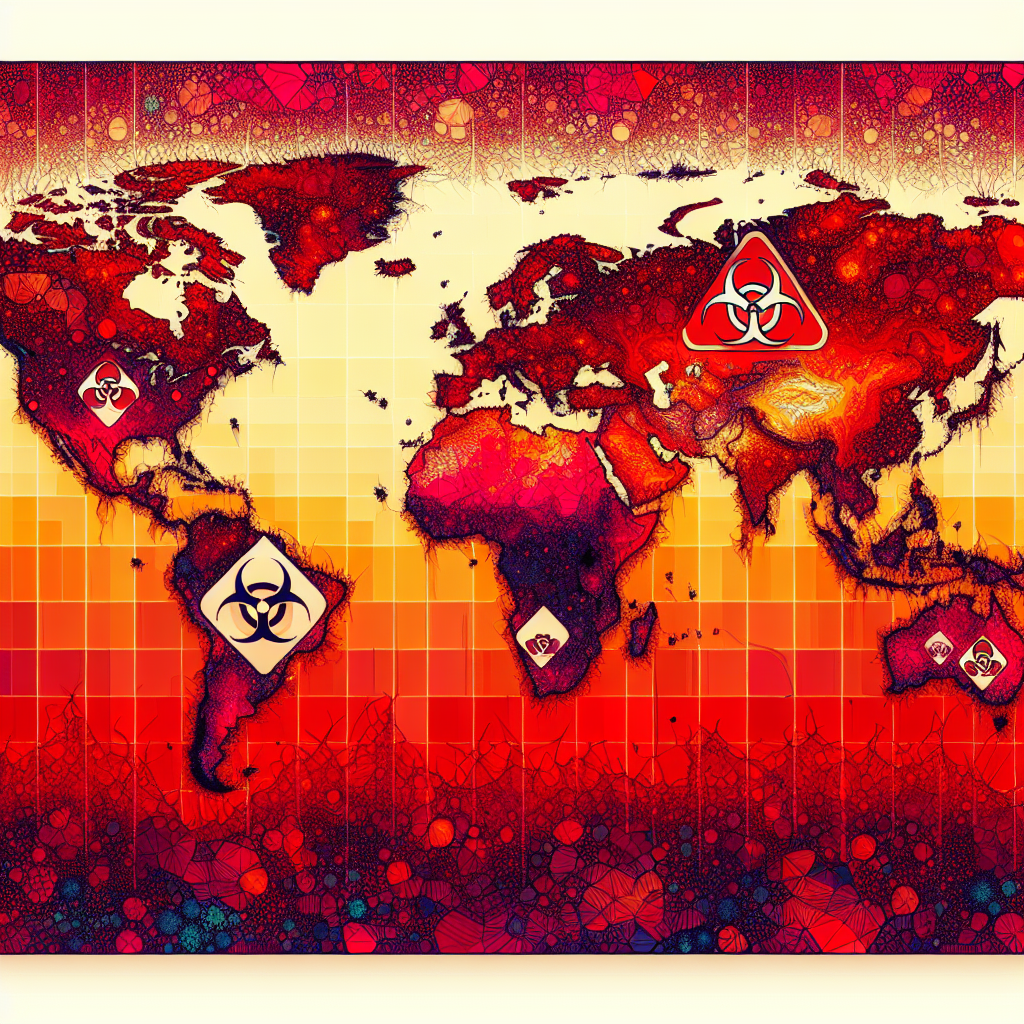
Recent global modeling reveals that approximately 9.3% of the world’s land area is highly vulnerable to the risk of dangerous disease outbreaks. This alarming statistic is especially concentrated in Latin America and Oceania, regions already grappling with the pressures of climate change and rapid land development.
Using machine learning and satellite data, researchers from the European Commission’s Joint Research Centre, led by veterinary epidemiologist Angela Fanelli, conducted a comprehensive mapping of epidemic-prone diseases across nearly every country on the planet. The findings paint a stark picture: 6.3% of the global land area is classified as high risk, with an additional 3% marked as very high risk. Approximately 20% of the global population resides in medium risk areas, while 3% live in zones categorized as high or very high risk.
Most concerning is the focus on zoonotic diseases, which are notably transmitted from animals to humans. An overview suggests that around 75% of emerging infections start in other animal species. As human activity encroaches on wildlife habitats—whether through deforestation for agriculture or urban expansion—the chances of disease spillover increase dramatically.
The Climate Connection
Climate change exacerbates these threats. Shifting weather patterns and rising temperatures alter the habitats and migration routes of both wildlife and disease-carrying organisms, such as mosquitoes and ticks. This reshaping of the environment contributes to the increased risk of outbreaks. Research indicates that fluctuations in climate, including severe droughts and heavier rainfall, can raise the likelihood of diseases emerging in new areas.
Human activities, particularly land use changes, stack the deck in favor of these zoonotic threats. The dense packing of both animals and humans into urban and industrial farming settings provides fertile ground for viruses to spread. The study highlights that population density is the most significant factor driving outbreak risk, underscoring the importance of sustainable development practices.
A Global Call to Action
The research underscores the varying capacities of countries to respond to these outbreaks. Regions like Papua New Guinea and the Republic of Congo face intense risks yet lack the necessary healthcare infrastructure to manage potential emergencies effectively. In contrast, many high-income countries are equipped with strong health systems, capable of supporting global efforts in vaccine manufacturing and outbreak response.
In light of this information, it’s essential to reflect on the biblical teaching found in Luke 10:27, which states, "You shall love the Lord your God with all your heart and with all your soul and with all your strength and with all your mind, and your neighbor as yourself." This call to love extends not only to those near us but also across the globe, urging us to be stewards of the world we inhabit. Caring for our environment and prepared for potential health crises aligns with this principle of loving our neighbors.
As we absorb this critical information, let us consider the importance of preparation, cooperation, and compassion in addressing future challenges. Instead of fear, we can embrace a spirit of hope and readiness. This moment serves as a reminder that while we may face uncertainties, proactive measures and caring communities can lead to resilience.
Encouraging Reflection
In pondering this report, take a moment to consider how we might contribute to a more sustainable world, both for our own communities and those at risk across the globe. The call to action is clear: let us strive to be informed, responsible global citizens, working together to make our world a safer place for all.
If you want to want to know more about this topic, check out BGodInspired.com or check out specific products/content we’ve created to answer the question at BGodInspired Solutions