 0
0
 0
0
Fitness or Folly: The Hidden Dangers of High-Intensity Workouts
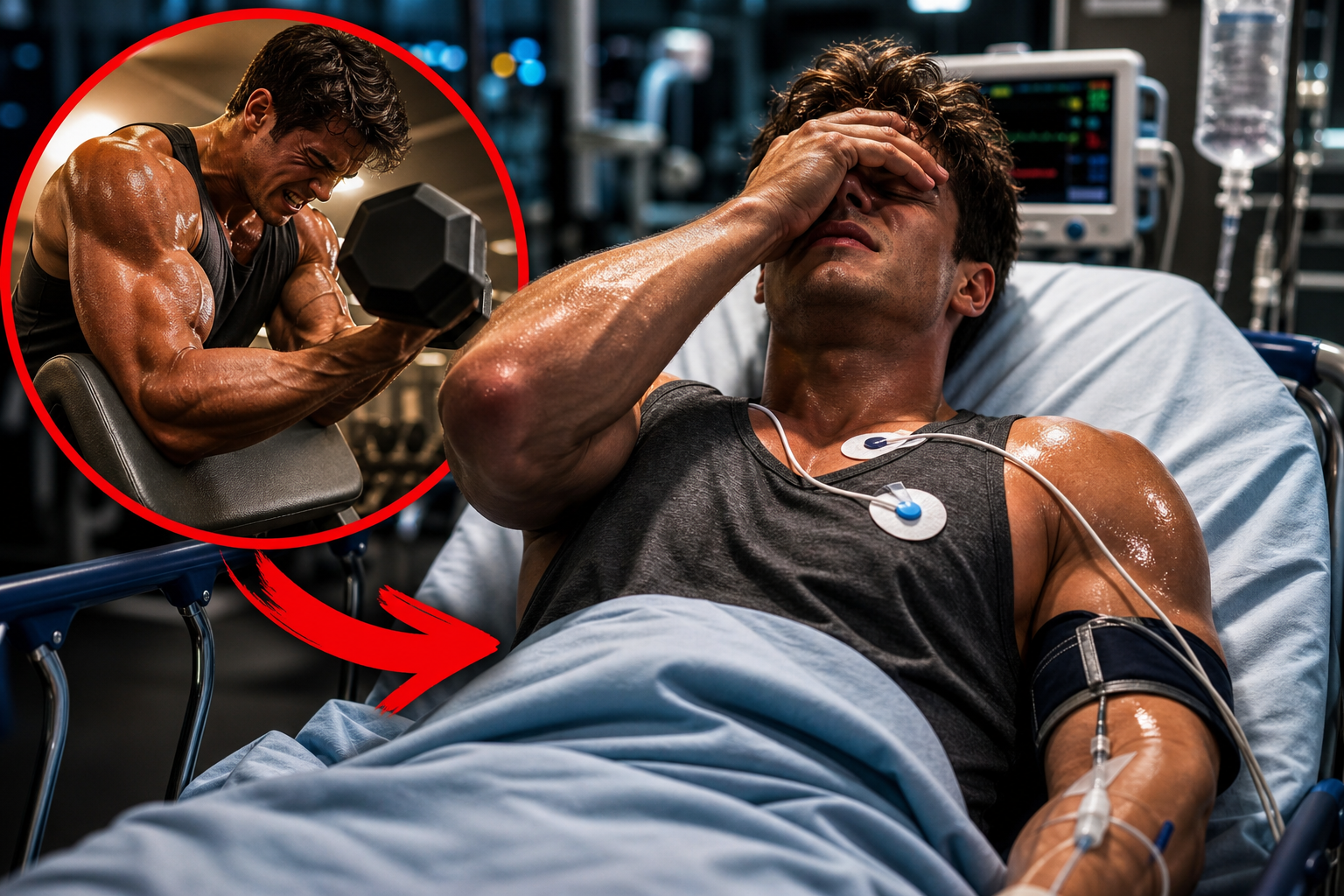
In January 2025, a fitness enthusiast embarked on a journey to defy anxiety and embrace a healthier lifestyle through a bootcamp class. What began as an earnest attempt to switch gears from work to workout turned into a cautionary tale about the potential perils of overexertion in fitness.
With five-star reviews heralding the class as an intensive experience guided by a “militant-style” instructor, the allure of pushing limits beckoned. Yet little did this participant know that the very act of striving for personal improvement could lead to a severe and sometimes life-threatening condition known as exertional rhabdomyolysis.
After an intense session involving lateral shuffle push-ups and weight-bearing exercises, what felt like typical post-workout soreness quickly escalated into debilitating pain and alarming symptoms, including dark urine. A quick online search revealed potential dangers that prompted a visit to the emergency room, where tests confirmed the worst: a staggering 57,000 units of creatine kinase in the bloodstream.
The Dangers of Overexertion
Experts explain that exertional rhabdomyolysis occurs when severe physical exertion causes muscle cells to break down, releasing harmful substances that can overwhelm the kidneys. Symptoms like muscle pain, extreme weakness, and dark urine could signal a dire need for medical attention.
While the modern fitness culture often glorifies pushing oneself to the limits, it is vital to remember that such extremes can have serious repercussions, as demonstrated by this narrative.
Reflecting on this experience, we might remember the biblical principle found in 1 Corinthians 6:19-20, which reminds us that our bodies are temples of the Holy Spirit. Treating our bodies with care serves not just individual well-being but also honors our spiritual commitments.
Finding Balance in Wellness
The individual featured in this story later realized a painful truth: the pursuit of fitness must not come at the cost of one’s health. By opting for gentler forms of exercise like barre and pilates, there’s an opportunity for not just physical recovery but a deeper understanding of balance. As in life, fitness requires moderation and self-awareness.
Similarly, Jesus spoke about the importance of rest and renewal, as seen in Matthew 11:28, where He invites the weary to find rest in Him.
An Encouraging Takeaway
As we navigate the complexities of health and fitness, may we remember this cautionary tale as an opportunity for reflection. Striving for improvement is admirable, yet true growth often lies in recognizing our limits and caring for our God-given bodies.
So, as you embrace your own wellness journey, consider this: How can you pursue your goals in a way that honors not just your physical body, but also your spirit? As you lace up your sneakers or step onto that mat, invite a spirit of mindfulness into your practice. Your journey is as vital as the destination—a sacred path guided by wisdom, balance, and grace.
If you want to want to know more about this topic, check out BGodInspired.com or check out specific products/content we’ve created to answer the question at BGodInspired Solutions
If positive Biblical wisdom matters to you, I’d love your support of the mission
Q&A about
I pushed myself too hard at the gym and ended up in the hospital—why did this happen?
Pushing yourself too hard can lead to physical and emotional burnout, which often reflects a deeper need for balance and rest. Jesus often retreated to pray and refresh, showing us that even He recognized the importance of rest, as seen in Mark 6:31 when He invites His disciples to come away and rest.
How can I avoid pushing myself too hard in my fitness routine?
Finding balance is key, and it’s essential to listen to your body. Philippians 4:5 reminds us to let our gentleness be evident to all, encouraging us to practice moderation and self-control in every aspect of our lives, including fitness.
What does the Bible say about taking care of my body?
Our bodies are temples of the Holy Spirit, as stated in 1 Corinthians 6:19-20, so we are called to honor God with our physical health. This means being mindful not only of our workouts but also of how we treat ourselves through rest and nourishment.
How can faith help me deal with setbacks from pushing myself too hard?
Setbacks can be a means of growth, and Scripture assures us that God works all things for our good (Romans 8:28). Leaning into your faith during recovery can provide hope and strength, reminding you that every challenge is an opportunity to trust God more deeply.