 0
0
 0
0
Woman’s ECT Experience Sparks Concerns Over Mental Health Treatment
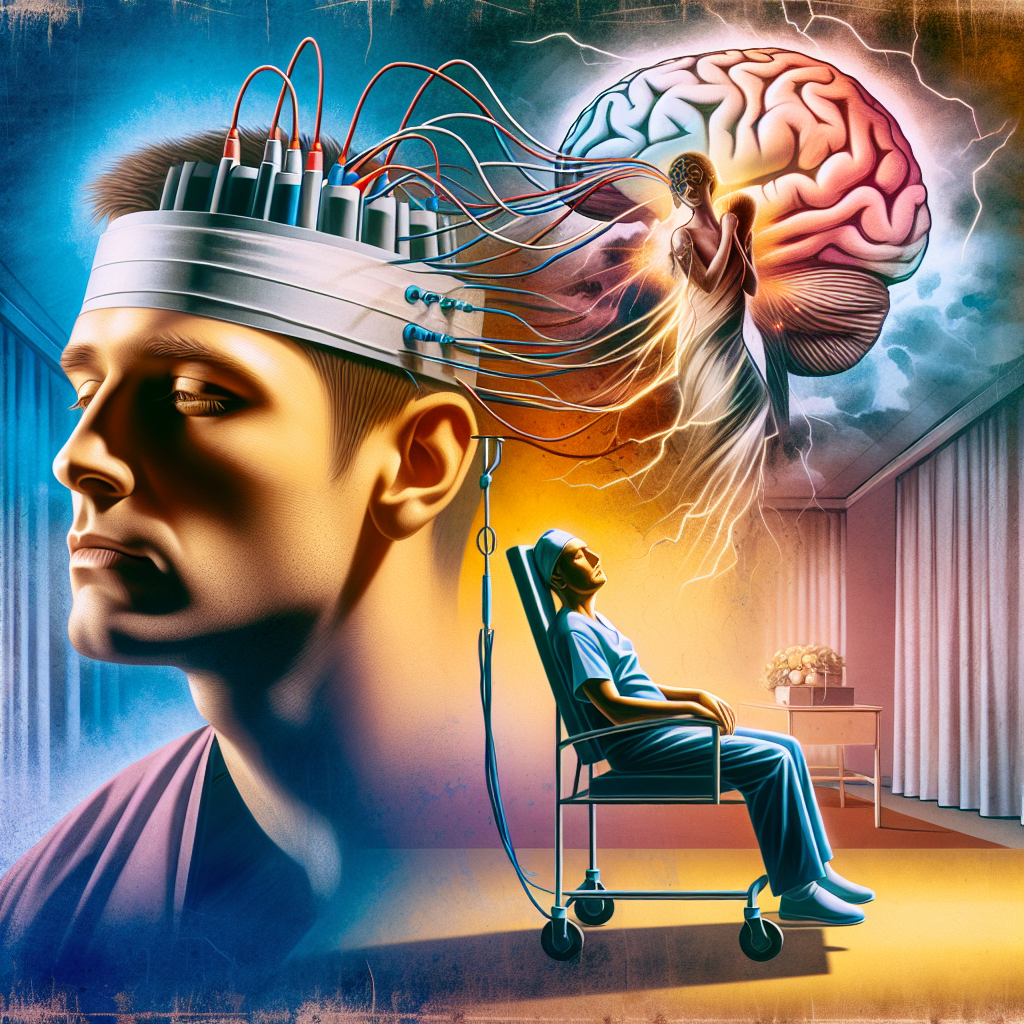
In a shocking account, a Northern Ireland woman has revealed that electroconvulsive therapy (ECT) left her grappling with profound memory loss, unable to recall significant milestones like her wedding day and her children’s early years. Lisa Morrison, 52, underwent ECT on the NHS six times between 2009 and 2016 for her depression, yet she claims that the treatment caused more harm than good.
The Procedure and Its Consequences
ECT, which involves sending electrical currents through the brain to induce a seizure, is administered to around 2,500 individuals annually in the UK. While it is designed to alleviate severe symptoms of mental health issues, Ms. Morrison’s experience sheds light on potential drawbacks. She now lives with persistent memory loss, saying, “It’s something else that was taken from me, from people who were meant to help me.”
This raises critical questions about the efficacy and transparency surrounding ECT, particularly when a disturbing study co-authored by Ms. Morrison found that over a third of participants’ families reported brain damage linked to the treatment.
A Call for Reflection
Morrison’s story echoes a broader biblical truth found in Proverbs 12:18: “The words of the reckless pierce like swords, but the tongue of the wise brings healing.” It reminds us that choices regarding mental health care should be grounded in wisdom, compassion, and thorough understanding—not only of risks and benefits but also of the individual’s holistic well-being.
Her husband, Gary, noted the drastic changes in her behavior post-treatment, describing her as “fragile” and “vulnerable.” Such testimonies highlight the need for careful consideration and informed consent in mental health treatments, ensuring that patients are fully aware of potential ramifications.
Pursuing Alternatives and Awareness
It’s crucial that alternative therapies, such as cognitive behavioral therapy, receive more consideration before resorting to ECT as a first-line treatment. Mental health charity Mind and several MPs have expressed concerns over ECT practices, calling for urgent reviews and emphasizing that patients should not be subjected to such treatments without fully understanding the risks involved.
As we reflect on these serious matters, the encouragement found in 1 Thessalonians 5:11 resonates: “Therefore encourage one another and build each other up, just as in fact you are doing.” The pursuit of healing in mental health cannot be overlooked, as every individual is made in the image of God and deserves care and love.
An Encouraging Takeaway
In light of Morrison’s experiences and the scrutiny surrounding ECT, we are invited to consider how compassion and informed decision-making can influence the treatment landscape. Let us encourage a dialogue within our communities that prioritizes the well-being of individuals and fosters a healing environment. As we seek wisdom, may we always aim to uplift those around us, ensuring that every voice—even those suffering in silence—is heard.
If you want to want to know more about this topic, check out BGodInspired.com or check out specific products/content we’ve created to answer the question at BGodInspired Solutions