 0
0
 0
0
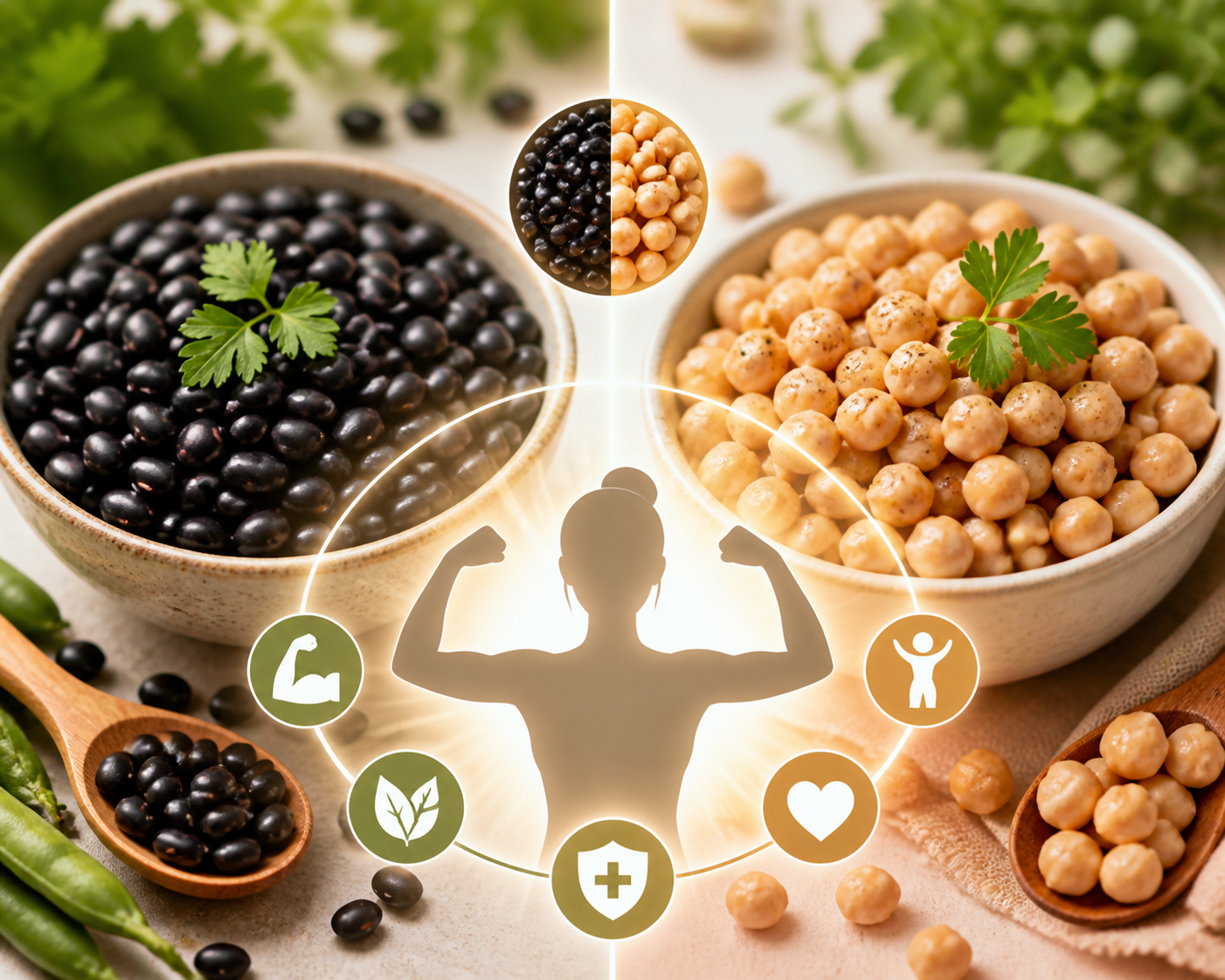
Beans vs. Chickpeas: Which Is Better for Protein?
In the ongoing discussion of plant-based protein sources, beans and chickpeas stand out for their nutritional benefits and culinary versatility. But which of these legumes reigns supreme when it comes to delivering protein?
The Nutritional Breakdown
Both beans and chickpeas feature prominently in diverse diets around the world. Beans, such as black, kidney, and pinto, typically boast higher fiber content and a broader range of vitamins. For example, black beans are rich in folate, while kidney beans provide a good source of iron.
On the other hand, chickpeas, or garbanzo beans, are known for their impressive protein levels, offering about 15 grams per cup when cooked. They are also packed with essential nutrients like magnesium and potassium, supporting heart health and muscle function.
As you ponder which choice is better, consider the broader implications of these foods. Both beans and chickpeas not only nourish the body but also represent abundance and stewardship, principles that resonate with many faith traditions, including Christianity. Just as Jesus emphasized taking care of our bodies through wise stewardship (1 Corinthians 6:19-20), choosing nutritious foods honors that commitment to health.
Culinary Versatility and Cultural Context
Beans and chickpeas can be found in recipes across numerous cultures, providing a rich tapestry of flavors and textures. From the hearty chili of American cuisine to Middle Eastern hummus, these legumes are not only satisfying but also symbolize community and sharing.
In a world that often emphasizes individualism, meals that incorporate legumes invite gathering and connection—key aspects of a life well-lived, reinforcing the biblical invitation to love our neighbors (Mark 12:31).
Environmental Impact and Personal Responsibility
Both beans and chickpeas have a lower environmental impact compared to animal proteins, inviting a conversation about our role in caring for creation. The stewardship of the Earth, as shown in Genesis 1:28, calls us to be responsible caretakers of the planet. Choosing legumes can be a small step towards fulfilling that role.
The Takeaway
So, are beans or chickpeas better for protein? Ultimately, it may come down to personal preference and individual dietary needs. However, the lesson extends beyond nutrition: both choices reflect a commitment to health, community, and stewardship.
As you enhance your diet, consider this encouragement: "So whether you eat or drink or whatever you do, do it all for the glory of God" (1 Corinthians 10:31). Each meal can be an opportunity to build not only your physical health but also your spiritual well-being and community bonds. In choosing nourishing foods, may we honor our bodies as divine temples and promote love and unity in our shared dining experiences.
If you want to want to know more about this topic, check out BGodInspired.com or check out specific products/content we’ve created to answer the question at BGodInspired Solutions
If positive Biblical wisdom matters to you, I’d love your support of the mission
Q&A about
Are beans better than chickpeas for protein?
Beans and chickpeas both offer solid protein sources, but chickpeas might have a slight edge in terms of protein content per serving. In 1 Timothy 4:4, it reminds us that everything created by God is good, which includes both beans and chickpeas. The best choice could hinge on your individual dietary needs, and both can be appreciated as gifts for our nourishment.
How do beans and chickpeas compare in terms of nutrients?
While beans tend to have higher fiber content, chickpeas are rich in vitamins such as folate and minerals like iron. As we learn from Galatians 5:22-23, maintaining a balanced diet is integral to living a fruitful life. Incorporating a variety of these legumes can contribute to fulfilling God’s design for our health.
Which one should I choose for a healthy diet?
Choosing between beans and chickpeas often comes down to personal preference and dietary goals. Romans 14:17 teaches us that the kingdom of God is about righteousness, peace, and joy—include foods that promote these values in your life. Both legumes can be enjoyed in moderation, supporting a wholesome and fulfilling diet.
Can I combine beans and chickpeas in meals?
Absolutely, combining beans and chickpeas not only enhances protein intake but also provides a broader spectrum of nutrients. Ecclesiastes 4:9 emphasizes the power of partnership and how two are better than one, which works perfectly in the kitchen as well. Mixing these legumes can create nutritious and delicious meals that honor God’s provision.