 0
0
 0
0
Morrisville Post Office Exhibit Removed Amid Complaints of Political Content
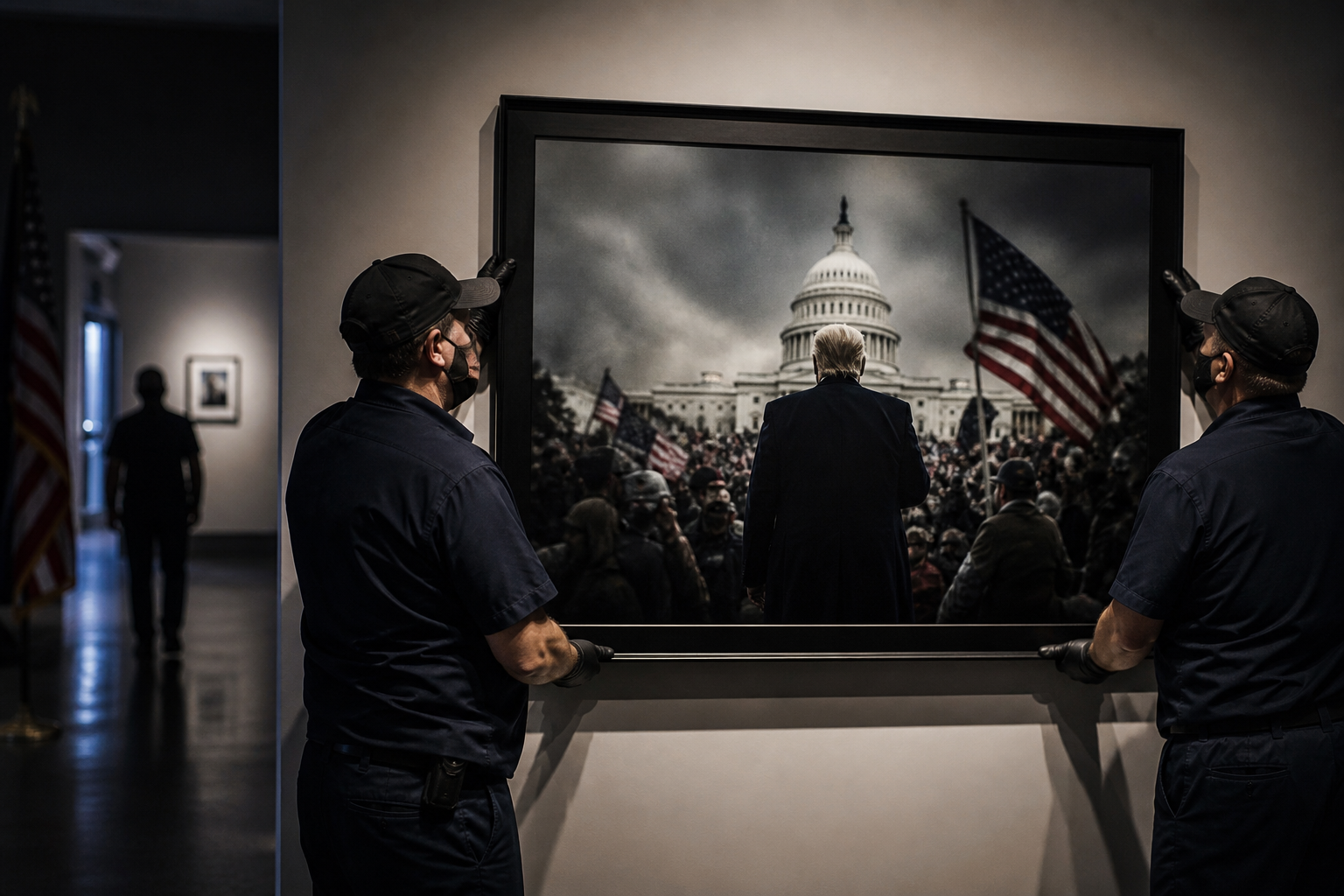
In a notable decision that raises questions about artistic expression and community values, River Arts, a local arts organization, has relocated an art exhibit from the Morrisville Post Office after receiving complaints about its political nature. The exhibit, featuring powerful photographs of protesters gathered since the death of George Floyd, drew criticism from some patrons who deemed it too political for a public space.
River Arts has long been a supporter of local artists, displaying various art forms in public buildings throughout Morristown. Executive Director Jonah Rabinowitz shared that the exhibit was shortly removed following requests from the post office, responding to customer dissatisfaction regarding the perceived political messaging. The photographs, captured by Olea Smith-Caland during an iPhone photography course, focused on community sentiments, specifically the frustrations of those protesting at the village’s main intersection.
While many might argue that art reflects societal issues, others maintain that it should be devoid of political content in public places. Rabinowitz emphasized, "We don’t assess curatorial processes; we expect the community to witness art that tells the story of their lives." In his view, all viewpoints deserve representation, reflecting the diversity of thoughts and beliefs.
Postmaster responses were notably absent, leaving some to speculate about the motivations behind the removal. While River Arts works to include a variety of perspectives, the post office’s actions suggest a different approach—one that prioritizes a politically neutral environment, even if it means silencing artistic commentary. This situation evokes the empowerment that comes from the freedom of expression—a principle that is foundational to many belief systems, including those rooted in Christian teachings.
Reflecting on this theme, Romans 12:18 states, “If it is possible, as far as it depends on you, live at peace with everyone.” This scripture reminds us that while our opinions may differ, the pursuit of understanding and acceptance is vital in our communities.
However, some community members, particularly those from Lamoille Neighbors—an organization aimed at enhancing the well-being of older adults—have voiced concerns over potential infringement on First Amendment rights. Rabinowitz acknowledged their sentiments but does not view the situation as reaching the level of protest. “It’s essential to engage in dialogue about how we navigate differing opinions in artistic expression,” he added thoughtfully.
This recent incident serves as a pivotal moment for reflection: How do we balance differing viewpoints? Engaging with the opinions and emotions of others fosters growth and understanding, nurturing a community rooted in love and respect.
As we contemplate these dynamics, let us remember to actively seek connection and dialogue, allowing our differences to lead us to greater understanding rather than divide us.
In conclusion, the Morrisville exhibit debacle highlights deeper spiritual and social themes applicable in our daily lives. As art seeks to evoke thought and conversation, let us aspire to engage with each other with grace, fostering an environment where every voice can be heard and appreciated.
If you want to want to know more about this topic, check out BGodInspired.com or check out specific products/content we’ve created to answer the question at BGodInspired Solutions
If positive Biblical wisdom matters to you, I’d love your support of the mission
Q&A about
Why was the photography exhibit removed?
The exhibit was removed due to concerns about its political content, which some believed could contradict the values of a community space. As Christians, we are reminded in Romans 12:2 to not conform to the patterns of this world but to be transformed by the renewing of our minds, urging us to focus on what promotes peace and unity rather than divisive political views.
How should I respond to this kind of censorship as a believer?
As believers, it’s essential to approach censorship with grace and understanding, seeking to build bridges rather than walls. In Ephesians 4:29, we’re called to speak in ways that uplift and encourage others, reminding us to engage in conversations that promote love and understanding instead of controversy and division.
What does this situation say about freedom of expression and faith?
While freedom of expression is valued in many societies, Scripture teaches us to consider how our words and actions impact others. Jesus emphasized in Matthew 7:12 the importance of treating others as we wish to be treated, which includes being mindful of how our expressions—whether in art or speech—can affect the faith and peace of our community.
How can I create a space for positive dialogue on sensitive topics like this?
Creating a space for positive dialogue involves listening, empathy, and guidance from biblical principles. As shown in Proverbs 18:13, we should be quick to listen and slow to speak, allowing for a respectful exchange of ideas that honors God and fosters unity among differing perspectives in the community.