 0
0
 0
0
AI’s Bold Leap: The Creation of Viruses—What This Means for Our Future
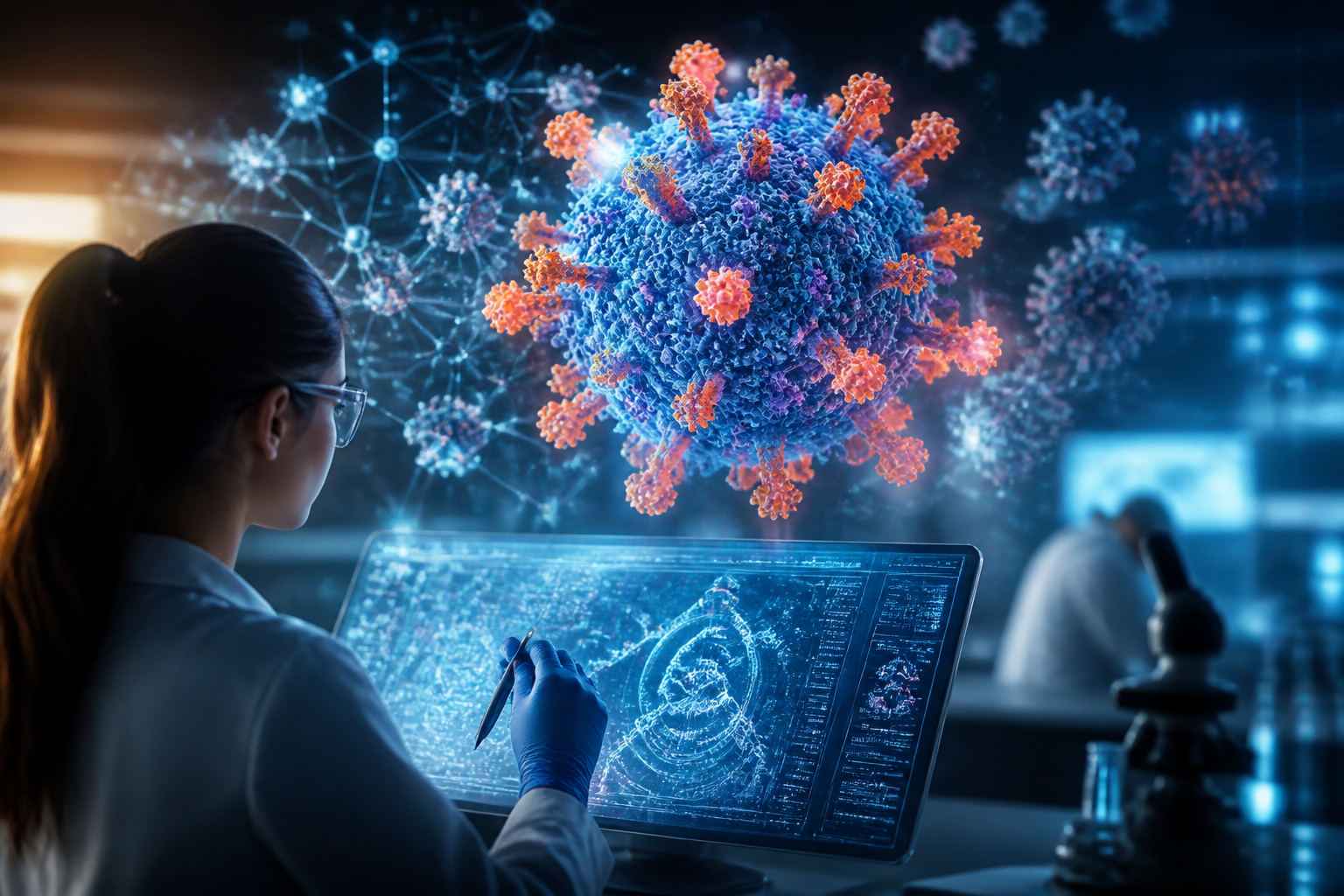
Recent breakthroughs in artificial intelligence (AI) have prompted widespread debate about the technology’s evolving capabilities and their implications for human health and safety. As noted in various reports, AI can now design new biological viruses, raising important ethical and safety concerns. While some view this development as alarming, it presents an opportunity to reflect on the significance of wisdom, stewardship, and responsibility.
In an opinion piece from The Washington Post, experts argue that the ability of AI to engineer viruses is not as terrifying as it might initially seem. Supporters believe that these tools could provide valuable insights into vaccine development and disease mitigation. However, contrary perspectives, such as those detailed in Forbes and The Wall Street Journal, caution that we may not be adequately prepared for the consequences of unleashing AI-designed pathogens into the world.
The New York Times reports that AI has already created viruses that do not exist in nature, highlighting the dual-edged sword of technological advancement. The potential for groundbreaking medical breakthroughs exists alongside legitimate fears of misuse and unanticipated consequences. This paradox echoes the age-old struggle of humanity to balance innovation with wisdom.
In the face of such complexity, it is essential to draw from a source of timeless guidance. The Bible emphasizes the importance of using the gifts we have been given responsibly. Proverbs 2:6 states, "For the Lord gives wisdom; from his mouth come knowledge and understanding." This verse highlights the necessity of seeking wisdom as we navigate modern challenges, urging us to consider how our scientific pursuits align with ethical stewardship.
Navigating this new terrain calls for a well-rounded approach that prioritizes safety, ethics, and compassion. As AI technology progresses, it is imperative that we engage in earnest discussions about its implications, ensuring that our actions reflect our values rooted in caring for one another and the world we inhabit.
While the emergence of AI-designed viruses may induce anxiety, it also invites us to engage thoughtfully with the power of intellect and creativity. We are reminded that, as we venture into uncharted territories, accountability and foresight are invaluable.
As we reflect on this situation, we are encouraged to ponder our individual roles in scientific discourse. Let this be a reminder to employ our knowledge and talents for the greater good, shaped by compassion and ethical responsibility. In doing so, we can aspire to create a world where advancements reflect the highest ideals of humanity, paving the way for a future that honors our shared existence.
If you want to want to know more about this topic, check out BGodInspired.com or check out specific products/content we’ve created to answer the question at BGodInspired Solutions
If positive Biblical wisdom matters to you, I’d love your support of the mission
Q&A about
Is it ethical to use AI for designing viruses?
Using AI for viruses raises ethical concerns similar to those in the Bible regarding knowledge and responsibility. Just as we are reminded that we must be wise stewards of our gifts (1 Peter 4:10), the knowledge and power we wield in technology must be approached with caution and a heart aligned with God’s love and purpose.
How should Christians respond to advancements in AI and bioengineering?
Christians can respond by seeking discernment and wisdom from God, as James 1:5 encourages us to ask for wisdom when we need it. It’s important to engage in these discussions from a perspective of love and protection for all of God’s creation, ensuring that our actions promote life and healing, not harm.
Could AI-designed viruses be part of God’s plan for creation?
While it’s challenging to see how AI-designed viruses could fit into God’s plan, we can trust that God can work through all situations for good, as Romans 8:28 assures us. Our focus should be on how to use technology for healing and restoration, aligning ourselves with God’s intentions for life and wholeness.
What can we learn about our responsibilities towards bioengineering from Christianity?
Christianity teaches the importance of caring for the vulnerable and promoting life, as seen in Jesus’ ministry. Engaging in bioengineering, including AI advancements, should reflect our commitment to love and serve one another, guided by the principle that we should treat others as we would like to be treated (Luke 6:31).