 0
0
 0
0
Aperture Unveils New Gallery in NYC: A Celebration of Photographic Legacy
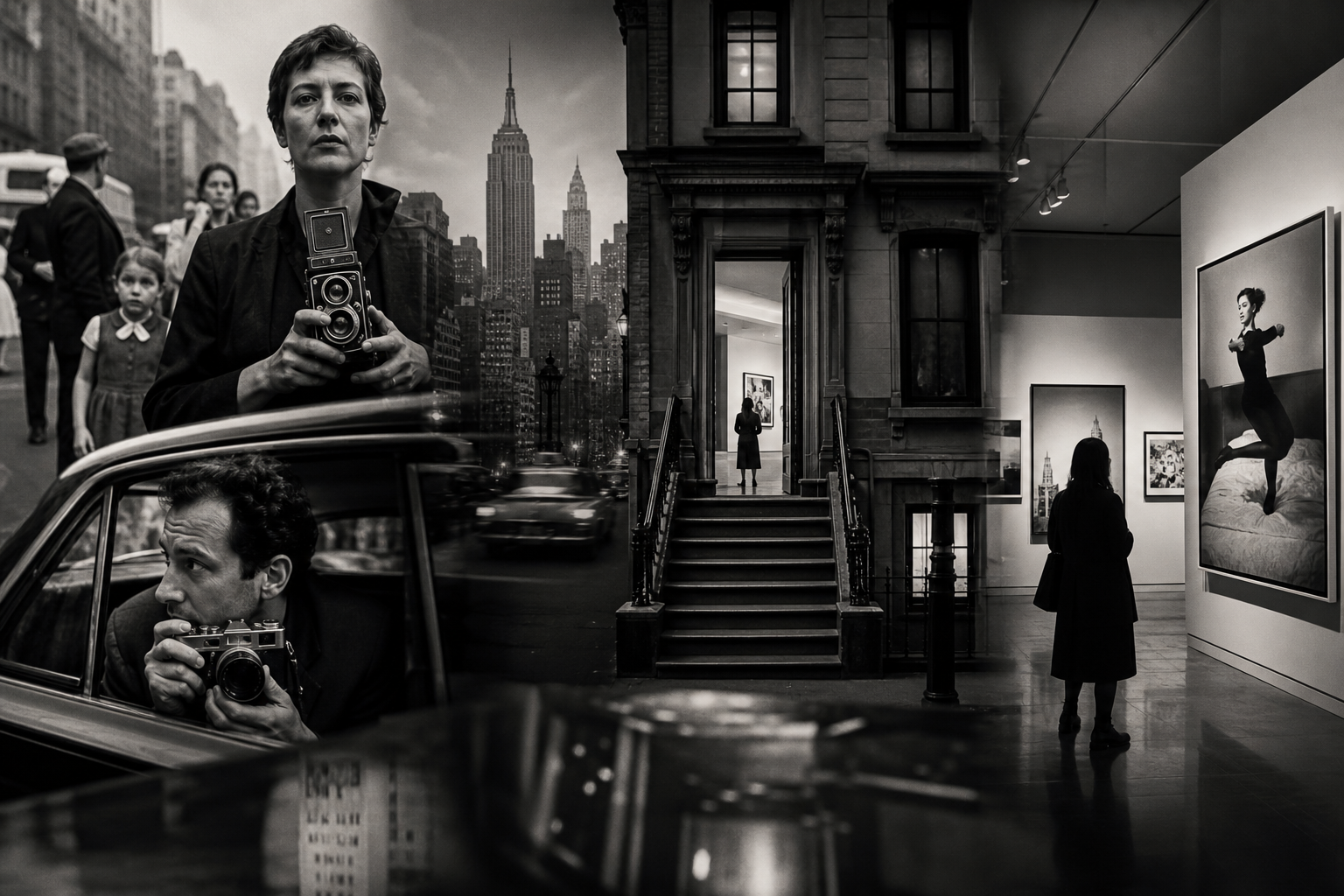
New York City – Opening its doors this fall, Aperture, the renowned nonprofit photography organization, is set to debut a new gallery and a permanent location in the vibrant Upper West Side. This new space not only marks a significant chapter in Aperture’s 70-year history but also offers a creative platform for artists to engage the community through the lens of photography.
The grand opening is scheduled for September 18, featuring the inaugural exhibition "Aperture Loves New York," which will showcase the work of iconic photographers like Diane Arbus, Robert Frank, and Nan Goldin. These artists have profoundly impacted the cultural tapestry of New York City, and their works highlight the moments that shape our lives. As we explore the photographs, we are reminded of the biblical principle that every story matters, reflecting the God-given creativity present in each individual’s life.
Aperture’s new address at 380 Columbus Ave. situates the gallery in proximity to cultural landmarks such as the Museum of Natural History and Central Park. The space will serve not only as a gallery, but also as a hub for public events, artist discussions, and even a retail store featuring photography books and collectibles.
Aperture’s Executive Director, Sarah Meister, emphasizes that the relocation aims to create an "open, dynamic space for encountering photography." This sentiment resonates with the biblical call to community and connection, encouraging us to engage with one another’s stories. As Jesus taught in Matthew 5:16 (NIV), “let your light shine before others, that they may see your good deeds and glorify your Father in heaven.”
The building itself carries a rich history, having been constructed in 1886. Aperture plans to honor this heritage by integrating the space thoughtfully for its new purpose, demonstrating how we can cherish past legacies while ushering in new beginnings. This blend of old and new, history and artistry, serves as a reminder that our lives, much like the gallery, can create a beautiful narrative when we embrace our unique experiences.
Looking ahead, Aperture is committed to rotating exhibitions and public events that foster a continued dialogue around photography, making it a cornerstone of community engagement. As we anticipate this new chapter, let us reflect on the importance of creativity in our own lives—the ability to see beauty, share stories, and connect with one another.
As you ponder Aperture’s exciting transition, consider how each photograph serves as a testament to the power of storytelling—a principle deeply rooted in the Christian faith. Every image holds the power to inspire, invite discussion, and even challenge perspectives. May this opening serve not only as a celebration of photography but also as an encouragement to pursue your unique calling and illuminate the lives of those around you.
If you want to want to know more about this topic, check out BGodInspired.com or check out specific products/content we’ve created to answer the question at BGodInspired Solutions
If positive Biblical wisdom matters to you, I’d love your support of the mission
Q&A about
How did Diane Arbus’s photography influence the way we see marginalized communities in New York City?
Diane Arbus’s work invites us to recognize the inherent dignity in all individuals, echoing the biblical teaching that every person is made in the image of God, as expressed in Genesis 1:27. By revealing the beauty in what society often overlooks, her photographs challenge us to embrace the marginalized, reflecting Jesus’ call in Matthew 25:40 to see Him in “the least of these.”
What impact did Robert Frank’s photography have on American culture and urban life?
Robert Frank’s candid portrayal of everyday life highlights the complexities of the human experience, reminding us that there’s beauty in authenticity. This aligns with the biblical principle found in John 1:14, where the Word became flesh and dwelt among us, emphasizing the importance of revealing truth and vulnerability in our lives to foster deeper connections.
How can a new gallery in historic locations deepen our understanding of faith through photography?
A gallery set in historic places can serve as a visual parable, much like the teachings of Jesus who often used everyday life to illustrate deeper truths. The beauty and stories captured in photography can inspire us to see the world through a Gospel lens, aligning with Philippians 4:8, which encourages us to dwell on things that are pure, lovely, and commendable.
Why is it important for a Christian audience to engage with photography as an art form?
Engaging with photography allows Christians to reflect on the world around them, much like how Jesus used parables to communicate truth and provoke thought. Artistic expressions can foster a deeper understanding of God’s creation and remind us of our calling as stated in Ephesians 2:10 to do good works, which He prepared in advance for us to do, often revealed in the subtleties of everyday life captured through art.