 0
0
 0
0
OECD Warns of Global Economic Slowdown Amid U.S.-Iran Conflict
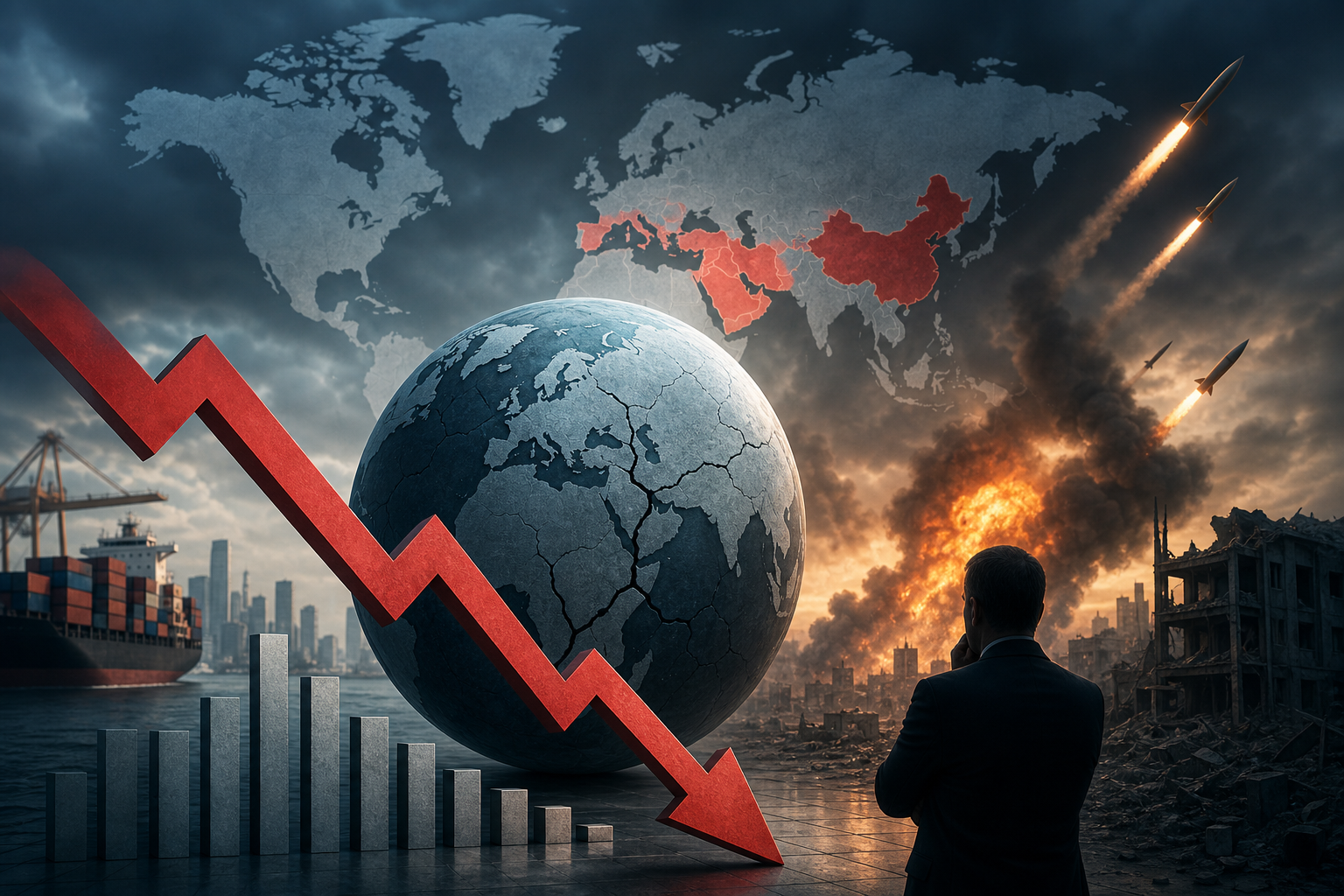
The Organisation for Economic Cooperation and Development (OECD) has dramatically revised its global growth forecast, issuing a stark warning that the ongoing U.S.-Iran conflict could inflict serious economic damage unless a durable peace is swiftly achieved. In its June Economic Outlook, the OECD projects a slowdown in global growth from 3.4% in 2025 to just 2.8% in 2026, with a potential recovery to 3.1% in 2027—predicated on a resolution to current energy price shocks.
OECD Chief Economist Stefano Scarpetta emphasized that this outlook assumes a relatively optimistic scenario in which peace is quickly restored, and disruptions to the vital Strait of Hormuz are resolved. Conversely, in a more concerning scenario where conflicts and disruptions persist, global growth could plummet to 2.1% in 2026 and further decline to 1.8% by 2027, pushing some economies toward recession.
The effects of this conflict have already been felt, as rising energy prices escalate costs for critical industrial inputs, including fertilizers. Scarpetta noted, “The longer the disruptions last, the larger the economic and social costs become.” This echoes a biblical perspective found in Proverbs 27:12, which states, “The prudent see danger and take refuge, but the simple keep going and pay the penalty.” Recognizing the current situation as a danger can offer the wisdom needed to seek solutions and foster peace.
The OECD’s report also warns that in a worst-case scenario, global inflation could rise significantly—by 0.4 percentage points in 2026 and 1.3 points in 2027. Increased unemployment and weakened investments, particularly in energy-intensive sectors like artificial intelligence, are likely consequences. Developing countries may bear the brunt of these impacts, facing heightened vulnerabilities due to limited energy resources and fragile economies.
As the report underscores the precariousness of global supply chains reliant on specific chokepoints, it also advocates for emergency measures and improved resilience through diversified energy supplies. This aligns with the highly relevant biblical principle of stewardship, urging communities to invest wisely and responsibly in resources that sustain and uplift.
In the face of adversity, it is crucial to cultivate hope and unity. As we navigate these uncertain times, we are reminded of John 14:27, where Jesus speaks of peace: “Peace I leave with you; my peace I give you.” Such peace can guide collective efforts toward economic stability and healing in a fractured world.
As this situation unfolds, let us reflect on the broader spiritual lesson it presents: the call to seek peace and pursue well-being for ourselves and others. In working toward resolution and understanding, we can find unity in the common goal of thriving together in a complex world. Let this challenge inspire us to act with compassion and wisdom, fostering resilience and hope in our communities.
If you want to want to know more about this topic, check out BGodInspired.com or check out specific products/content we’ve created to answer the question at BGodInspired Solutions
If positive Biblical wisdom matters to you, I’d love your support of the mission
Q&A about
Is the global slowdown a sign of the end times according to Scripture?
Economic downturns can feel alarming, but Jesus reminds us in Matthew 24 that there will be wars and rumors of wars before His return. Instead of fearing the future, we can trust in God’s sovereignty, knowing that He is our refuge in times of uncertainty (Psalm 46:1).
How should Christians respond to economic challenges caused by conflicts like the war in Iran?
In times of economic hardship, we can draw strength from Romans 8:28, which assures us that God works all things together for good. This calls us to actively support those in need and share our resources, reflecting Christ’s love and compassion in a broken world.
What does the Bible say about the effects of conflict on nations and economies?
Conflicts often lead to instability, which can be seen throughout Scripture, like in James 4:1-2, where it discusses the quarrels that arise from desires. As Christians, we should pray for peace and reconciliation, embodying the peace that Christ offers (John 14:27) and advocating for unity.
How can faith give us hope during global economic difficulties?
Faith reminds us that our hope is not rooted in worldly systems but in Christ alone. As 2 Corinthians 5:7 teaches, we walk by faith, not by sight, encouraging us to trust God’s provision and remain steadfast, even amid troubling global circumstances.