 0
0
 0
0
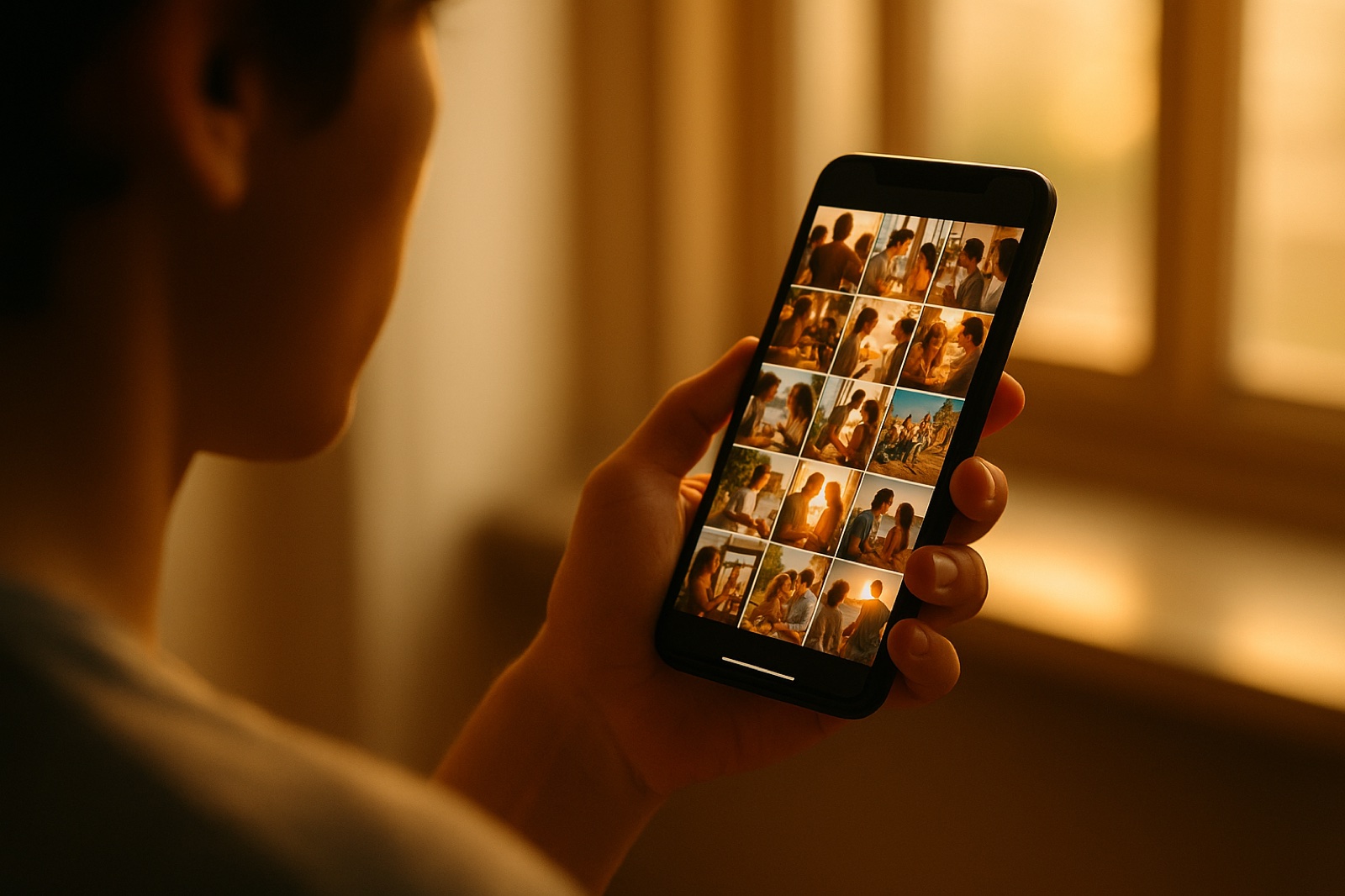
She has 800 followers. Her weekend is booked solid through next month. Her feed looks like a highlight reel of brunches, road trips, and inside jokes with a dozen different friend groups. And at 11 p.m., after she posts the last story of the night, she lies in bed and feels completely, achingly alone.
If that sounds familiar — not the specific details, but the shape of it — you’re not imagining things. Researchers just sat down with people living exactly that contradiction, and what they found explains a lot about why “being busy” and “being lonely” have quietly become the same experience for a lot of young people.
Researchers Sat Down With the People Living It
A research team at Åbo Akademi University in Finland, led by associate professor Jessica Hemberg and first author Yulia Korzhina, wanted to know something that surveys alone can’t really answer: what does loneliness actually feel like from the inside, for someone whose life looks full from the outside?
So instead of another wide, shallow poll, they went deep with a small group instead — eight adolescents and young adults between 16 and 26, plus three mothers of young people who had experienced loneliness. Through in-depth interviews and a method called reflexive thematic analysis, the team mapped out six main themes and fourteen subthemes in how this generation actually experiences isolation. The findings were published in the European Journal of Psychology Open.
It’s a small study, and the researchers are careful not to oversell it as a universal law. But the picture it paints is specific and consistent enough that it’s worth sitting with — especially if any part of the opening scene felt a little too familiar.
The Follower Count Was Never the Problem
Here’s the finding that reframes everything else: a packed social calendar and a healthy follower count did almost nothing to protect the young people in this study from feeling profoundly alone.
Platforms like Instagram and TikTok, the researchers found, tend to do something specific and quietly damaging. They fuel comparison — the constant, low-grade math of measuring your actual Tuesday against everyone else’s highlight reel. And they create a false impression of widespread, close friendship, when what’s actually being displayed is often just visibility.
That distinction matters more than it sounds like it should. Being seen by hundreds of people is not the same thing as being known by even one of them. Participants described friendships that looked solid from a distance but felt paper-thin up close — built on likes, streaks, and appearances rather than the kind of trust that can hold real weight.
What Actually Triggers It
The loneliness in this study wasn’t random or constant. It tended to spike around specific pressure points: moving to a new city for university, changing schools, dealing with a health problem, or navigating tension at home. Life transitions, in other words — the exact moments when a person most needs to feel anchored to someone, and instead finds themselves managing an online image on top of everything else.
And the emotional cost was real. Participants described anxiety, sadness, shame, and something researchers specifically named as hopelessness — not just a bad mood, but a quiet sense that this gap between the visible life and the felt life might just be how things are now.
The Thing That Actually Helped
Here’s the part worth remembering after you close this tab: the study didn’t end at the diagnosis. It also found what actually worked.
Genuine friendships — the kind built on trust rather than visibility — buffered against loneliness in a way that follower counts never could. So did supportive family relationships, and access to what the researchers called “low-pressure youth spaces” — places where a young person could just show up as they actually were, with nothing to perform and no highlight reel required.
Hemberg summed up the throughline simply: trusted adults and real opportunities to build genuine connection were the thing that actually reduced loneliness. Not more visibility. Not a better feed. A person who already knew the unfiltered version and stuck around anyway.
If any of this is landing because your own online life has started to feel like a second job you didn’t apply for, this piece on why keeping up an online presence feels so exhausting goes deeper into that exact pressure — and where it’s quietly coming from.
The Measurement Nobody Can See From Outside
There’s an idea that keeps resurfacing, in one form or another, across nearly every wisdom tradition long before anyone had a feed to curate: that the truest thing about a person was never the part visible from a distance. It’s something underneath — unshowy, unphotographed, not built for an audience — that actually determines whether a life is well or not.
Most of us already sense this is true. We just don’t usually get to see it proven in a research paper. But that’s essentially what this study found: the count was never the measurement that mattered. Something quieter always was. Call it what you want — a soul, a heart, the part of you no camera can angle correctly — but it’s the part that was starving in this study, even while the feed looked completely fine. And it’s the part that actually got fed, every time, by one honest person who stayed.
That’s not a new discovery. It might be one of the oldest ideas there is. It just took a research team in Finland, eight brave interviewees, and three worried mothers to prove it all over again.
Something Small You Could Actually Do
- Text one real thing today. Not “good, you?” — the actual, slightly less impressive truth about how your week is going. Send it to the one person who’s earned the unfiltered version.
- Find your one low-pressure space. A person, a group, a weekly thing — somewhere you don’t have to perform. If you can’t think of one, that’s worth noticing, not judging yourself over.
- Ask someone younger how they’re really doing — and wait for the real answer. The study’s protective factor wasn’t a program. It was a trusted adult who stuck around long enough for the honest version to surface.
If you’re curious how close your own sense of connection to God actually feels right now — not the churchy answer, the honest one — this free “How Close Am I to God?” quiz is a quiet, two-minute way to find out.
One Question Worth Sitting With
Do you think a smaller, more honest circle actually beats a bigger, more curated one — or is a wide network still worth having alongside the close one? We’d love to hear where you land.
Share This
- A new study found something wild: a packed social calendar barely protects you from loneliness. What actually helps is one person who knows the real version of your week.
- “Being seen by hundreds of people is not the same thing as being known by even one of them.” Still thinking about this line from a new loneliness study.
- Researchers just proved something ancient wisdom already knew: the count was never the measurement that mattered.
Quick Questions About This Study
What did the new loneliness study actually find?
Researchers at Åbo Akademi University in Finland found that young people with busy, visible social media lives still experienced deep loneliness. Follower counts and packed calendars didn’t protect against it — genuine friendship, family support, and low-pressure social spaces did.
How big was the study?
It was a small, in-depth qualitative study: eight adolescents and young adults aged 16 to 26, plus three mothers of young people who had experienced loneliness, interviewed and analyzed for recurring themes. It was published in the European Journal of Psychology Open.
Why does having a lot of followers not prevent loneliness?
The study found that platforms like Instagram and TikTok fuel comparison and create a false impression of close friendship, when what’s actually visible is mostly surface-level visibility rather than the trust that real connection requires.
What actually helps with this kind of hidden loneliness?
According to the researchers, genuine friendships, supportive family relationships, and access to low-pressure spaces where a person doesn’t have to perform were the strongest protective factors — along with at least one trusted adult who stays present.
What triggers this kind of loneliness the most?
Life transitions were the biggest flashpoints in the study — moving for university, changing schools, health problems, and family tension. The moments a person most needs to feel anchored were often the same moments the gap between the visible life and the felt life widened the most.
If the idea of being fully known — not just seen — is something you’re chewing on, this piece on why people ghost you without warning looks at the flip side of the same coin: what happens when connection disappears with no explanation at all.