 0
0
 0
0
Brock Lesnar spent twenty years being the most dangerous man in professional wrestling. He was a former NCAA heavyweight champion who walked into WWE and looked like he’d wandered in from a different, scarier sport. He beat The Undertaker’s undefeated WrestleMania streak — a streak nobody thought could ever end. He held titles, broke bodies, and built a reputation as someone who didn’t just want to win. He wanted you to believe he couldn’t lose.
So when Brock Lesnar sat down on The Pat McAfee Show this week and said the word “retired,” it landed differently than most retirement news does. Not because it was a surprise — wrestling fans had seen this coming for a while. It landed differently because of how his career actually ended, four days earlier, in a wrestling ring in Minneapolis.
The Match That Ended It
At SummerSlam 2026, Lesnar faced a younger wrestler named Oba Femi in a Hell in a Cell match — one of the most brutal match types WWE has, fought inside a steel cage with no easy way out. It was billed as a passing-of-the-torch moment before anyone officially confirmed it was one. Femi won. Lesnar lost.
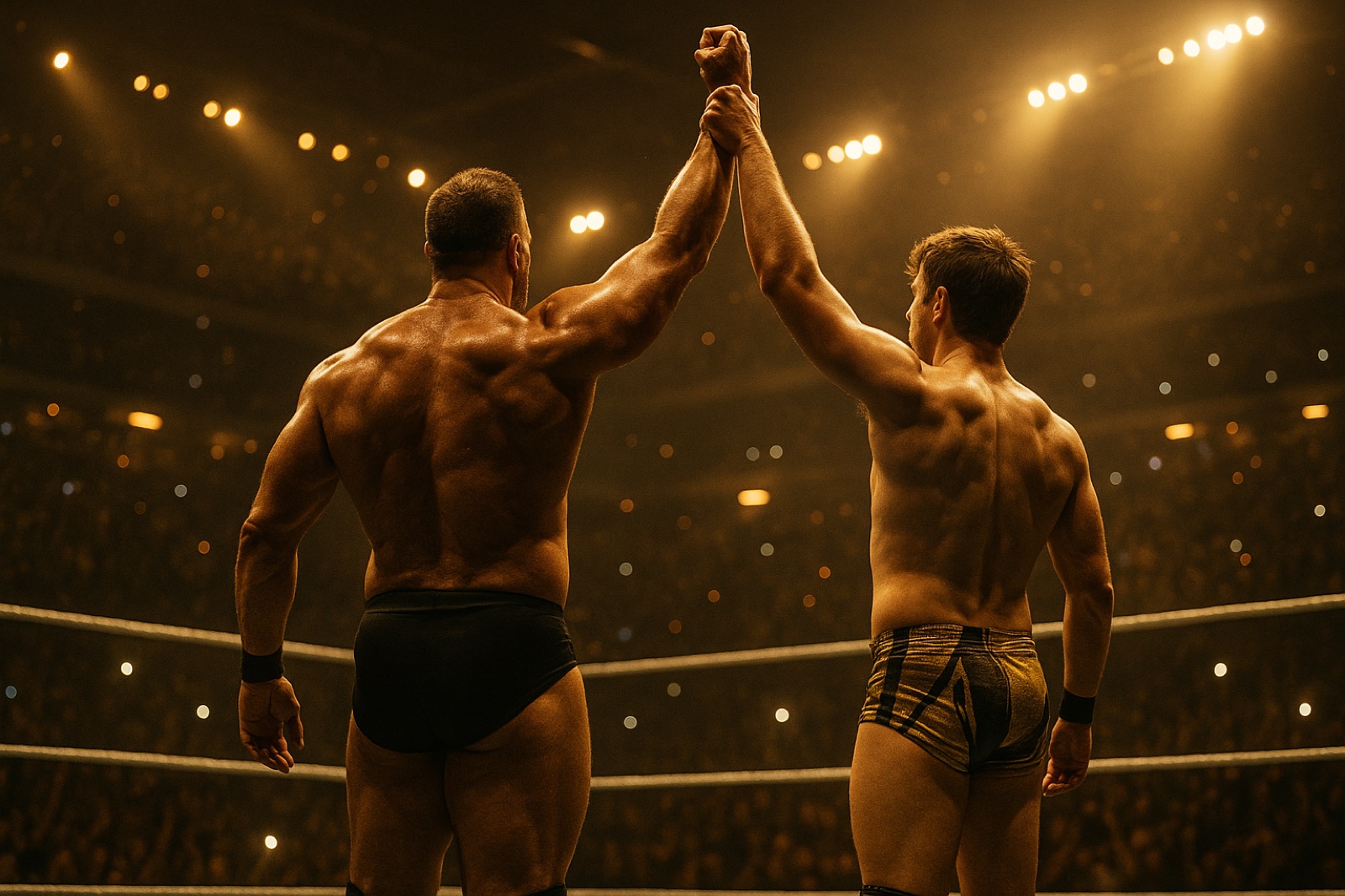
And then something happened that doesn’t happen often in a business built on rivalries, grudges, and manufactured bad blood. Lesnar got up, walked over to the man who’d just beaten him, and raised Oba Femi’s hand in front of a sold-out U.S. Bank Stadium crowd. He told the arena, in that moment, that Femi was the future of the sport.
Four days later, on The Pat McAfee Show, Lesnar made it official: “I’m here today to let the world and let everybody know that I am retired, and I wanted to say a big thank you to everybody.” He said the loss to Femi at WrestleMania earlier in the year was when he first knew — “I can’t do this again. That’s it for me in the squared circle.”
If you’ve followed what’s driving kids to quit youth sports younger than ever, you already know how much of sports culture runs on staying on top, staying relevant, staying needed. Lesnar built an entire career on exactly that instinct. Which is what makes his last move so hard to explain away as just good sportsmanship.
If you’d like a free guide for noticing moments like this — the ones that feel bigger than what actually happened on the scoreboard — and learning to sit with them instead of scrolling past, here’s a resource made for exactly that:
Twenty Years of Being the Guy Nobody Wanted to Face
To understand why Lesnar’s final gesture is such a departure, you have to understand what he actually was in that ring for two decades. He wasn’t just a champion. He was a genre unto himself — a former amateur wrestling champion and UFC heavyweight titleholder who treated WWE opponents like obstacles rather than rivals. His finishing move, the F-5, looked like it should require a waiver to witness live.
He beat The Undertaker at WrestleMania 30 in 2014, ending a 21-0 streak that had survived every legend the company ever produced. Fans in the arena that night booed so loudly some of them left in tears. Lesnar didn’t apologize for it. He collected ten world championship reigns across his career and made a habit of making other wrestlers look smaller just by standing near them.
That’s the reputation he carried into that cage at SummerSlam. Not “aging veteran looking for one more moment.” Genuine, still-dangerous threat. Which is exactly why what he did next mattered.
What He Did After the Bell Rang
Raising a younger opponent’s hand after a loss isn’t unheard of in wrestling — it happens, especially in a scripted, storyline-driven sport where “passing the torch” is a real tradition. But there’s a difference between a company script calling for a gesture and a legend choosing to mean it out loud, on a podcast, days later, unprompted.
Lesnar didn’t just lose the match and let the moment speak for itself. He stood in the ring and told the crowd, in his own words, that this was Femi’s time now. Then he went on the record again on The Pat McAfee Show and said thank you — not “I still had more to give,” not “the refs got it wrong,” just gratitude, and an exit.
For a guy whose entire brand was built on making sure everyone in the building knew exactly who the most dominant person in the room was, choosing to spend his very last moment in that room making sure the room was looking at someone else is not a small thing. It’s almost the opposite of the persona that made him famous.
Why That’s Harder Than It Sounds
There’s an old idea, older than wrestling, older than sports themselves, that’s easy to say and brutally hard to actually do: that real greatness sometimes looks like stepping back on purpose, not being pushed back by time or circumstance. Not fading because you have to. Choosing to, while you still could have stayed.
Most people who’ve built something — a career, a reputation, a role people depend on — know how tempting it is to hang on a little too long. To take one more turn in the spotlight because you’ve earned it, because you can, because letting someone else have the moment feels like losing something you’re not sure you’ll get back. Lesnar had every reason to hang on. He was still competitive. The crowd still would have cheered. He chose the harder, quieter thing instead: making the last thing he did in that career about someone else’s beginning.
Maybe that’s the oldest wisdom there is, the kind that shows up in every culture and every era in some form — that what actually lasts isn’t the reputation you protect, it’s what you’re willing to hand off while you still have the strength to hold it. Something bigger than the scoreboard seems to notice the difference between someone who stays because they’re afraid of what happens if they leave, and someone who leaves because they trust what comes next.
What Lesnar’s Last Match Actually Teaches the Rest of Us
Most of us will never stand in a wrestling ring in front of 66,000 people. But almost everyone eventually faces some version of Lesnar’s choice — the parent handing a role to a grown kid, the founder stepping back from the company they built, the mentor watching someone they trained get the credit they used to get. The instinct to hold on a little longer is completely human. So is the relief, once you finally let go, of realizing your worth was never actually tied to staying on top.
If that feeling of not being enough unless you’re still needed, still winning, still on top sounds familiar, Lesnar’s last move is a strange but real data point: sometimes the moment you feel smallest — the loss, the hand-off, the exit — is the one people remember longest. What actually lasts rarely looks like the monument people try to build for themselves while they’re still standing in the spotlight.
Lesnar spent twenty years making sure nobody forgot who he was. He may have done more for his legacy in the ten seconds after that loss than in all the wins before it.
If you want that same free guide again — for noticing the moments that feel bigger than what’s actually happening in front of you — here it is once more:
Discussion Question
Do you think Lesnar’s hand-raise was just good sportsmanship, or something more than that? What would it take for you to make your own exit about the person coming after you, instead of about yourself? Tell us in the comments.
Share This
- Brock Lesnar spent 20 years being the most feared man in WWE. His very last move in the ring wasn’t a win — it was raising someone else’s hand. Read the full story: https://bgodinspired.com/index.php/personal-growth-and-life-skills/brock-lesnar-wwe-retirement-legacy/
- “I can’t do this again. That’s it for me.” Brock Lesnar just retired from WWE — but the way he ended it is the part nobody’s talking about. https://bgodinspired.com/index.php/personal-growth-and-life-skills/brock-lesnar-wwe-retirement-legacy/
- The most dominant guy in wrestling chose to make his last match about someone else’s future instead of his own legacy. Worth sitting with. https://bgodinspired.com/index.php/personal-growth-and-life-skills/brock-lesnar-wwe-retirement-legacy/
Questions People Ask
Did Brock Lesnar officially retire from WWE?
Yes. Brock Lesnar confirmed his retirement from professional wrestling on The Pat McAfee Show on August 4, 2026, four days after his final match — a Hell in a Cell loss to Oba Femi at WWE SummerSlam 2026 in Minneapolis.
Who did Brock Lesnar lose his last match to?
Lesnar’s final match was against Oba Femi in a Hell in a Cell match at SummerSlam 2026. After the loss, Lesnar raised Femi’s hand in the ring and told the crowd Femi was the future of the sport.
What did Brock Lesnar say when he announced his retirement?
Lesnar said, “I’m here today to let the world and let everybody know that I am retired, and I wanted to say a big thank you to everybody.” He added that he knew it was over after a loss at WrestleMania earlier in the year: “I can’t do this again. That’s it for me in the squared circle.”
What was Brock Lesnar’s WWE career known for?
Lesnar was a former NCAA heavyweight wrestling champion and UFC heavyweight titleholder who became one of WWE’s most dominant performers, holding multiple world championships and famously ending The Undertaker’s 21-0 WrestleMania winning streak in 2014.
Why did Brock Lesnar raise his opponent’s hand after losing?
While passing-the-torch gestures happen in wrestling storylines, Lesnar’s choice to publicly credit Femi as “the future” in the ring, and again days later on a podcast, stood out because it was unprompted and consistent — a deliberate exit built around someone else’s beginning rather than his own send-off.